
Search Results
362 Results Found for “liver cancer”

Gastrointestinal (GI) cancers constitute a major contributor to global cancer incidence and mortality and remain among the leading causes of cancer-related death worldwide despite advances in prevention, screening and supportive care.1,2 Collectively encompassing malignancies of the esophagus, stomach, liver, biliary ...

Anxiety can change at every stage of the cancer journey, from diagnosis and treatment to surveillance and survivorship. Dr Chirag B Jain discusses why a longitudinal approach to anxiety assessment and management is needed and how personalized supportive care could help address patients’ evolving needs.

Can advances in antibody-drug conjugate design translate into meaningful survival benefits across more tumor types and earlier treatment settings, without unacceptable toxicity? Having transformed treatment for HER2-positive breast cancer, ADCs are now taking center stage in Madrid, featuring in one-third of the Presidential Symposium late-breaking abstracts. These studies illustrate a shift from established HER2-directed approaches, toward a broader landscape of targets, payloads and clinical applications. In this article, we examine the key trials to watch and the clinical questions they aim to address.

The microbiome has moved rapidly from an emerging area of cancer research towards a potential component of precision oncology. Yet despite compelling biological and observational evidence, important questions remain over how this knowledge should be translated safely into patient care.
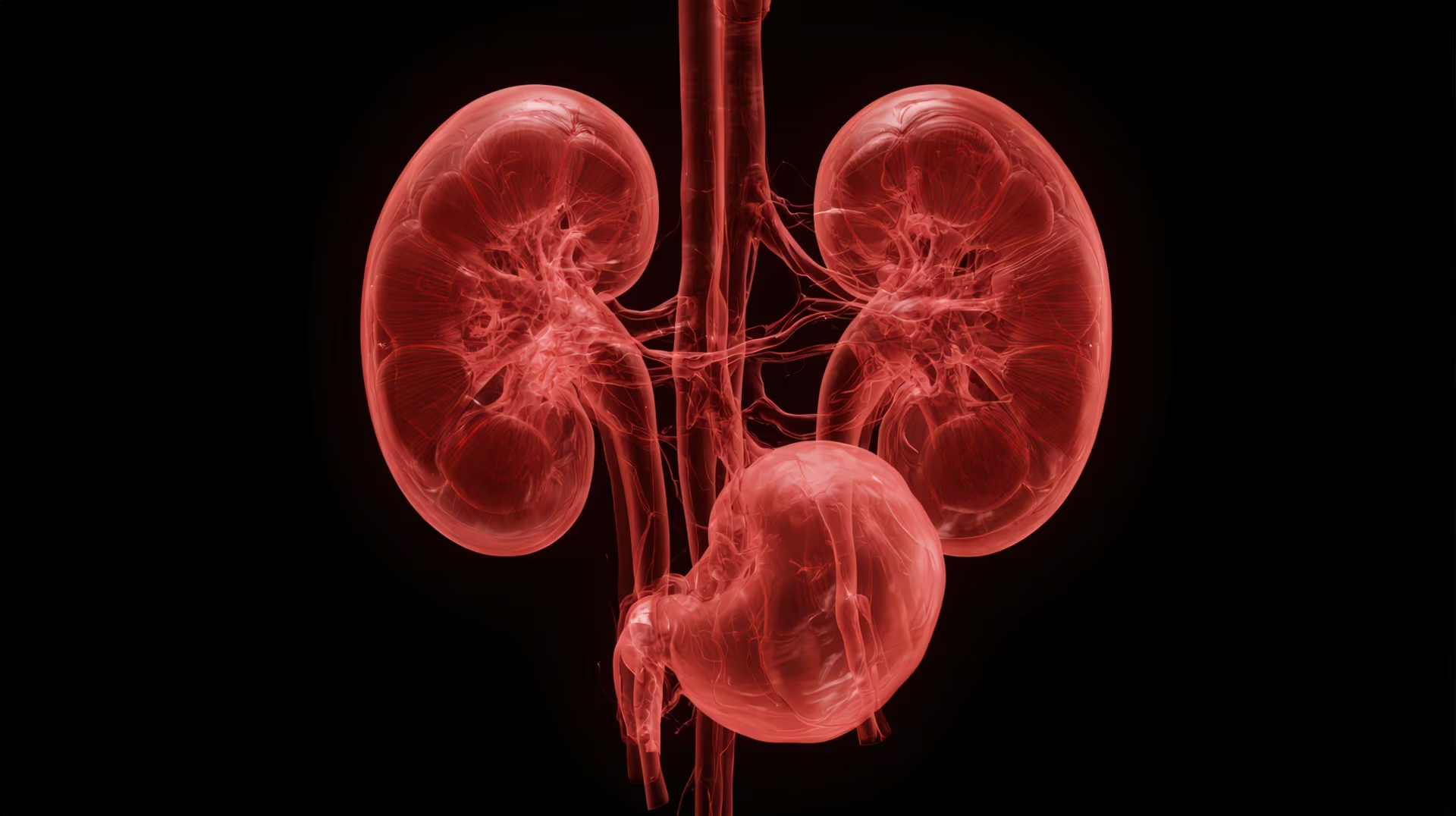
Urothelial carcinoma (UC) is the 11th most common cancer in the UK, with approximately 11,000 new bladder cancer diagnoses annually.1 Globally, bladder cancer accounts for approximately 635,000 new diagnoses and 228,000 deaths annually, based on the latest GLOBOCAN estimates for 2024.2 Bladder cancer constitutes ...

Abderrahim Oussalah discusses findings from the SEPT9_CROSS study evaluating circulating methylated SEPT9 as a blood-based biomarker for HCC detection in cirrhosis. “These findings support a two-tier surveillance framework in which mSEPT9 and AFP work together to improve both the ...

Landmark abstracts across localized and advanced prostate cancer presented at ASCO 2026 addressed treatment intensification, biomarker-driven therapy, radiotherapy modality comparisons, and novel radioligand strategies. In this piece we examine four studies that reflect important shifts in prostate cancer management, influencing both near-term treatment pathways and future: PROTEUS, TALAPRO-3, COMPPARE and ProstACT Global.

ASCO 2026 showed that thoracic oncology is moving beyond promising signals and increasingly closer to practice-changing evidence across multiple fields — from bispecific antibodies and ADC-based combinations to targeted therapy in both metastatic and peri-operative settings. In this piece, Dr Federico Monaca breaks down eight major abstracts from ASCO26, highlighting their take-aways and considering their potential relevance for clinical practice.
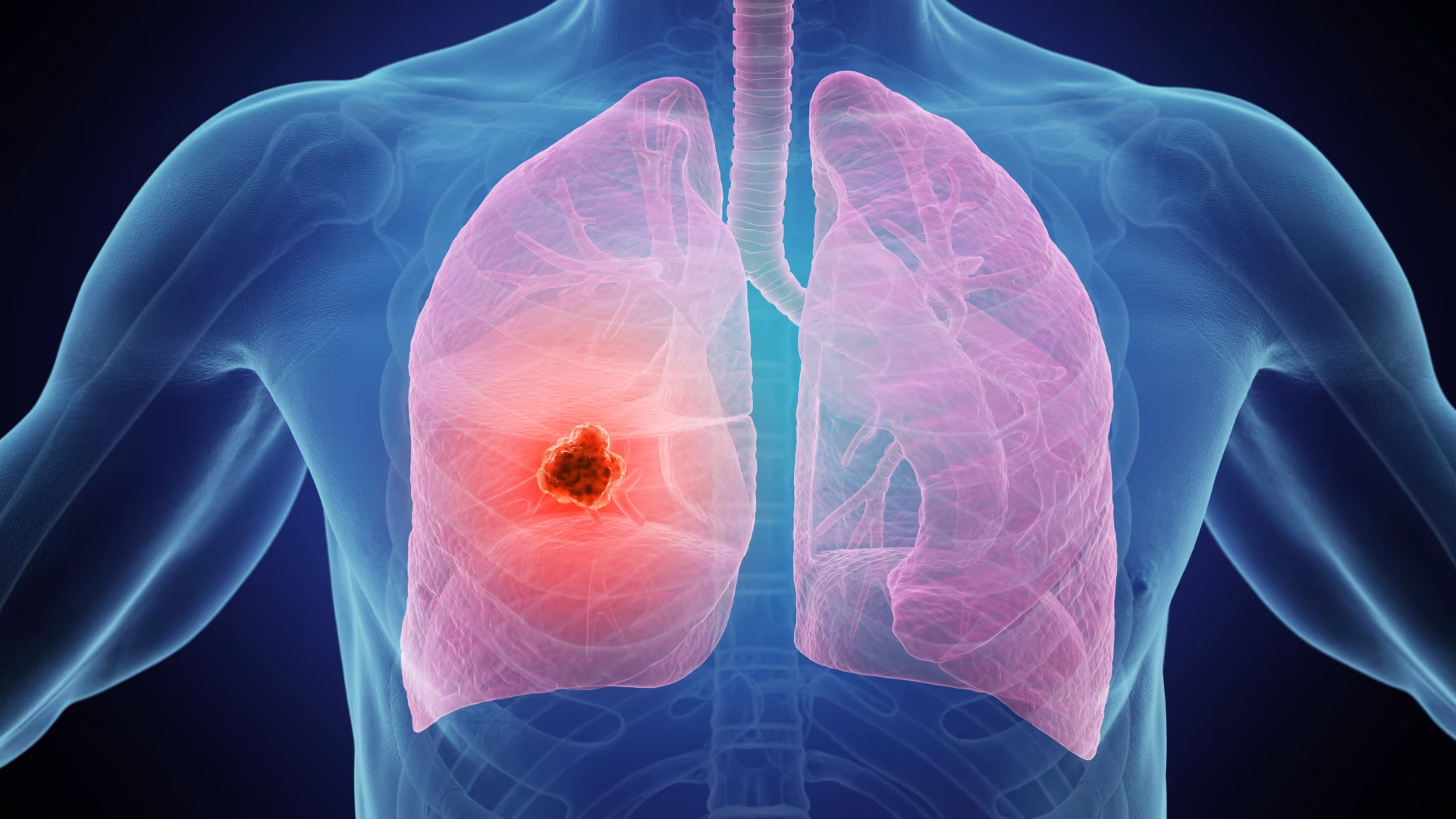
Non-small cell lung cancer (NSCLC) remains the leading cause of cancer-related mortality worldwide.1 Over the past two decades, the molecular characterization of NSCLC has transformed the therapeutic landscape by enabling the development of targeted therapies that have significantly improved outcomes ...

An immunosuppressed person is one whose immune function is impaired by underlying disease and/or immunosuppressive medications, resulting in reduced immunosurveillance against malignant cells and increased vulnerability to opportunistic infections. Longstanding immunosuppression has been linked to increased risk for cutaneous (...

As President of the European Cancer Organisation, Dr Isabel Rubio is leading Europe’s fight against cancer with a clear vision: sustained investment, stronger coordination, and measurable progress. From groundbreaking research to policy innovation, she is driving change where it matters most – for patients. In this Q&A with touchONCOLOGY, Dr Rubio explains her priorities for shaping Europe’s cancer landscape over the next two years.
At EAU26, Dr Juan Gómez Rivas reflected on a period of rapid transformation in the field. Across mentorship, technology and precision medicine, Dr Gómez Rivas believes the field is entering a new era. For urologists, he says, the message is simple: embrace innovation, collaborate widely and keep patients at the centre of every advance.

At EAU26, Prof Dickon Hayne presented findings from the ANZUP 1301 (BCG+MM) trial. With global BCG shortages and ongoing challenges around tolerability, the study offers timely insights into how combination intravesical strategies may deliver comparable efficacy while improving patient experience and resource utilisation.

We often focus on clinical excellence, but spend less time developing broader skills that could help us better lead with purpose and build more fulfilling, impactful careers. In this episode, part of a mini-series in partnership with LEADderm, Dr Jennifer Soung and Denise Mann explore how clinicians can engage with the media to educate, empower and extend their impact beyond the clinic.

Pancreatic cancer (PC) is the tenth most common cancer in 2024, with 66,440 new cases and 51,570 deaths.1,2 Globally, the prevalence varies from 10/100,000 cases in the Americas and Europe to 0.9/100,000 cases in South Central Asia and most of Africa.3 Currently, it has the ...

The treatment paradigm for HER2-positive advanced gastric and GEJ adenocarcinoma has been reshaped by the integration of immune checkpoint inhibitors into trastuzumab-based chemotherapy. The phase III KEYNOTE-811 trial established the benefit of adding pembrolizumab to trastuzumab and chemotherapy, whereas the HERIZON-GEA-01 trial, presented at 2026 ASCO GI Cancers Symposium, explored a distinct strategy – enhancing HER2 blockade itself through substitution with the bispecific antibody zanidatamab, with or without PD-1 inhibition.

Hepatocellular carcinoma (HCC) is the most common primary malignancy of the liver, comprising approximately 85% of all primary liver cancers.1 Globally, it ranks as the sixth-most common cancer and the third-leading cause of cancer-related mortality, with over 900,000 new cases and 830,000 deaths ...

Cancer nursing is central to delivering complex, evidence-based cancer care across Europe. To meet evolving needs, the EONS Education Working Group develops frameworks, training, networks, and safety initiatives. These efforts advance professional growth, strengthen education, and shape the future of cancer nursing—ultimately improving outcomes for patients and families.
Log into your Touch Account
Keep track of your clinical interests and newsletter subscriptions.
Sign up with an Email
Or use a .
Register now for FREE access
Already registered? Login below.
