
Search Results
489 Results Found for “systemic therapy”

Gastrointestinal (GI) cancers constitute a major contributor to global cancer incidence and mortality and remain among the leading causes of cancer-related death worldwide despite advances in prevention, screening and supportive care.1,2 Collectively encompassing malignancies of the esophagus, stomach, liver, biliary ...

ESMO 2026, presented new findings across the prostate cancer treatment landscape, from intensifying treatment before and after surgery to improving outcomes in metastatic disease. This round-up examines five selected studies: DASL-HiCaP, the PROTEUS substudy, CAPItello-281, PEACE-1 and CCTG PR21. Together, the findings address treatment intensification in high-risk localized disease, targeted treatment for PTEN-deficient tumors, the durability of survival benefits with abiraterone and patient-reported quality of life with different treatments for mCRPC.

ESMO 2026 put gynecological oncology in the spotlight, with new survival data, phase III trial results and emerging therapies bringing cervical, endometrial and ovarian cancer into focus. The key sessions examined the role of immunotherapy, ADCs and targeted agents across first-line and previously treated settings. The findings included improved PFS with pembrolizumab in dMMR endometrial cancer, OS results from randomized studies and early efficacy data for investigational treatments in recurrent ovarian cancer.

The European Society for Medical Oncology (ESMO) Congress 2026 promises a compelling program of clinical data, spanning personalized cancer vaccines, next-generation antibody–drug conjugates (ADCs) and novel approaches to targeted therapy and immunotherapy. With several studies already generating excitement following positive topline announcements, all eyes will be on the full results and their potential implications for clinical practice. Below, we highlight the 12 presidential abstracts to watch, the key findings to look out for and the questions these studies could help answer.

The microbiome has moved rapidly from an emerging area of cancer research towards a potential component of precision oncology. Yet despite compelling biological and observational evidence, important questions remain over how this knowledge should be translated safely into patient care.
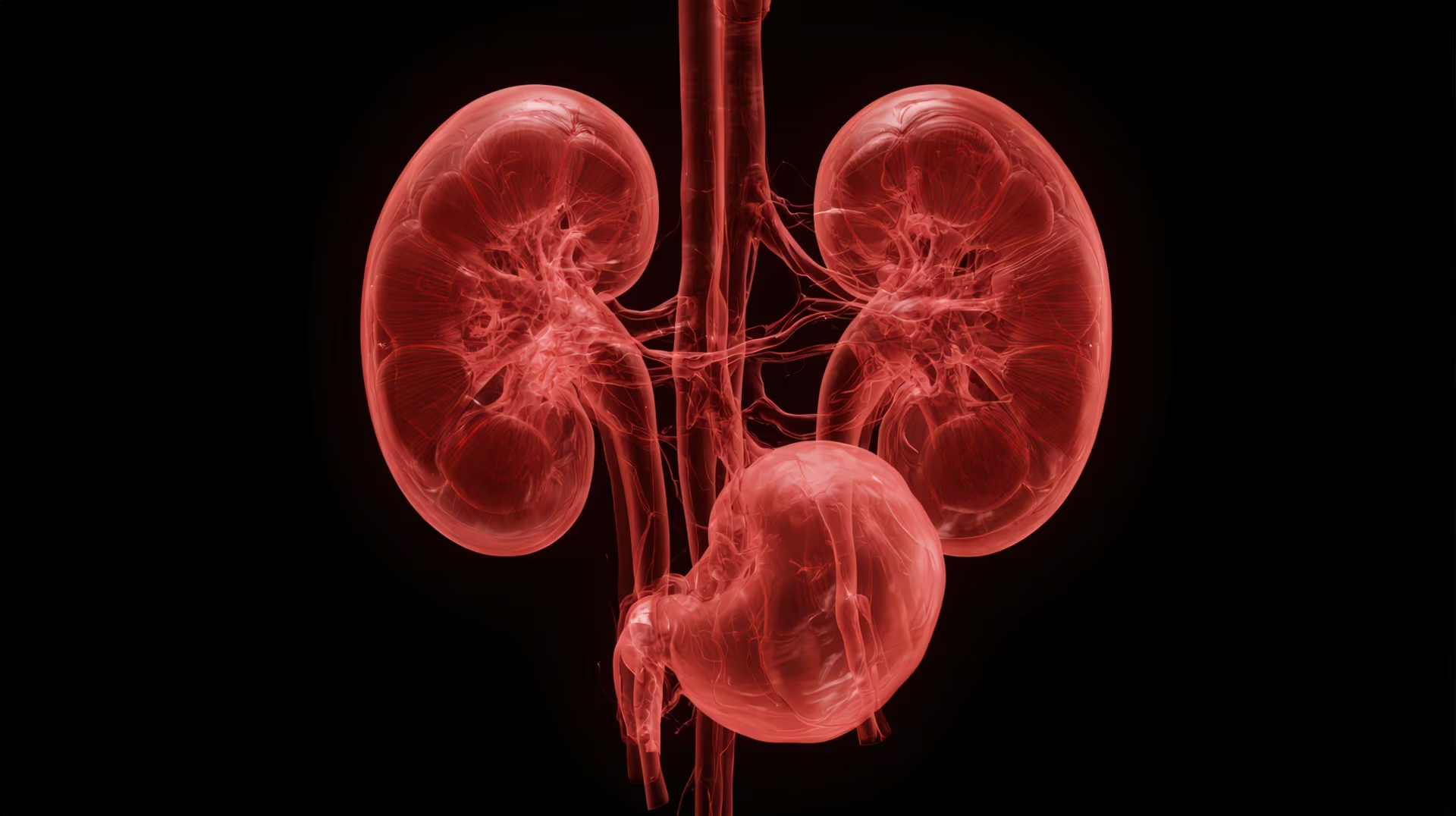
Urothelial carcinoma (UC) is the 11th most common cancer in the UK, with approximately 11,000 new bladder cancer diagnoses annually.1 Globally, bladder cancer accounts for approximately 635,000 new diagnoses and 228,000 deaths annually, based on the latest GLOBOCAN estimates for 2024.2 Bladder cancer constitutes ...
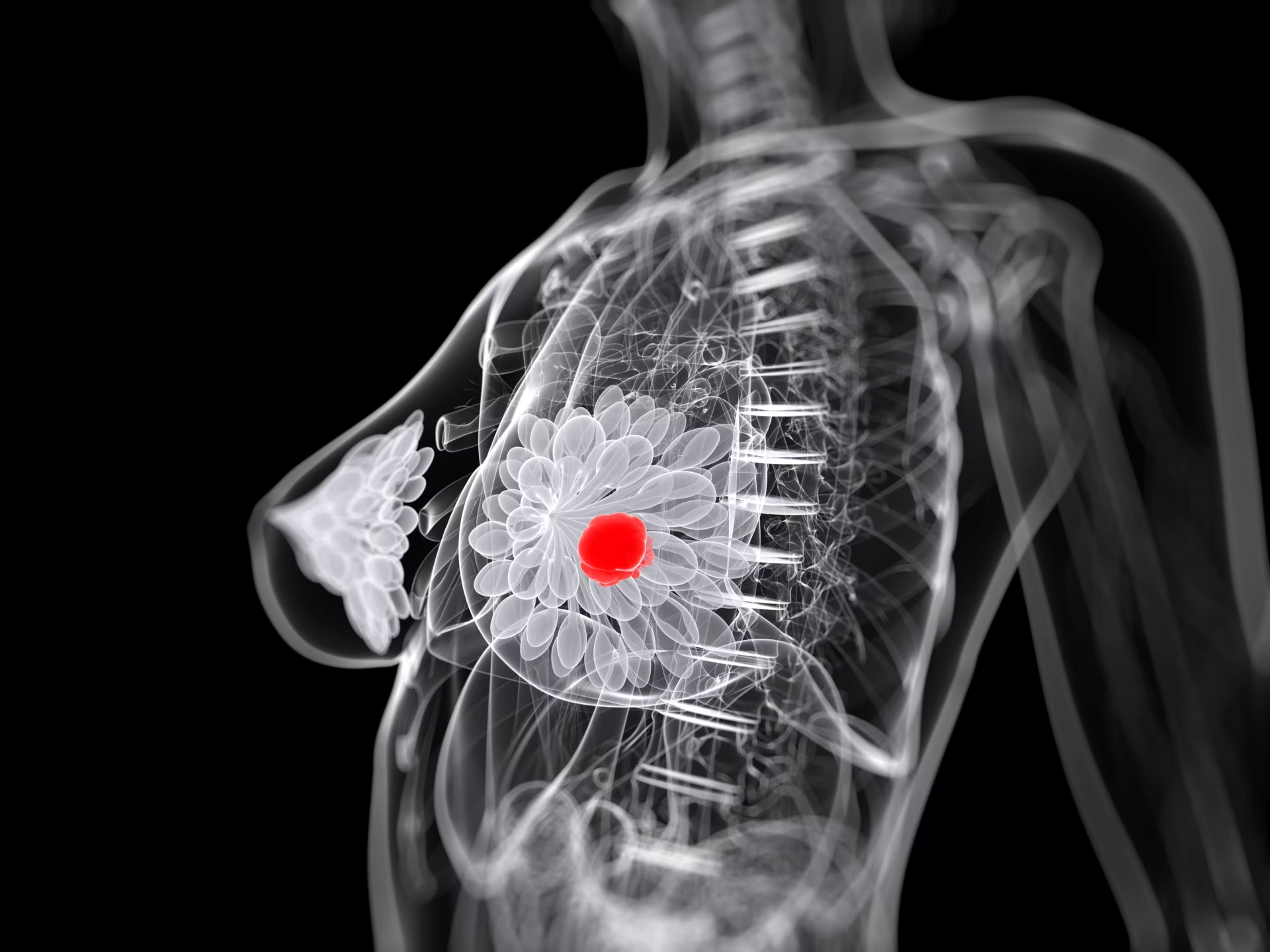
Metastatic triple-negative breast cancer (mTNBC) is a clinically heterogeneous disease, but compared with other breast cancer subtypes, triple-negative breast cancer (TNBC) is generally associated with a poorer prognosis and has historically had limited therapeutic options.1 The 5-year survival rate remains ...
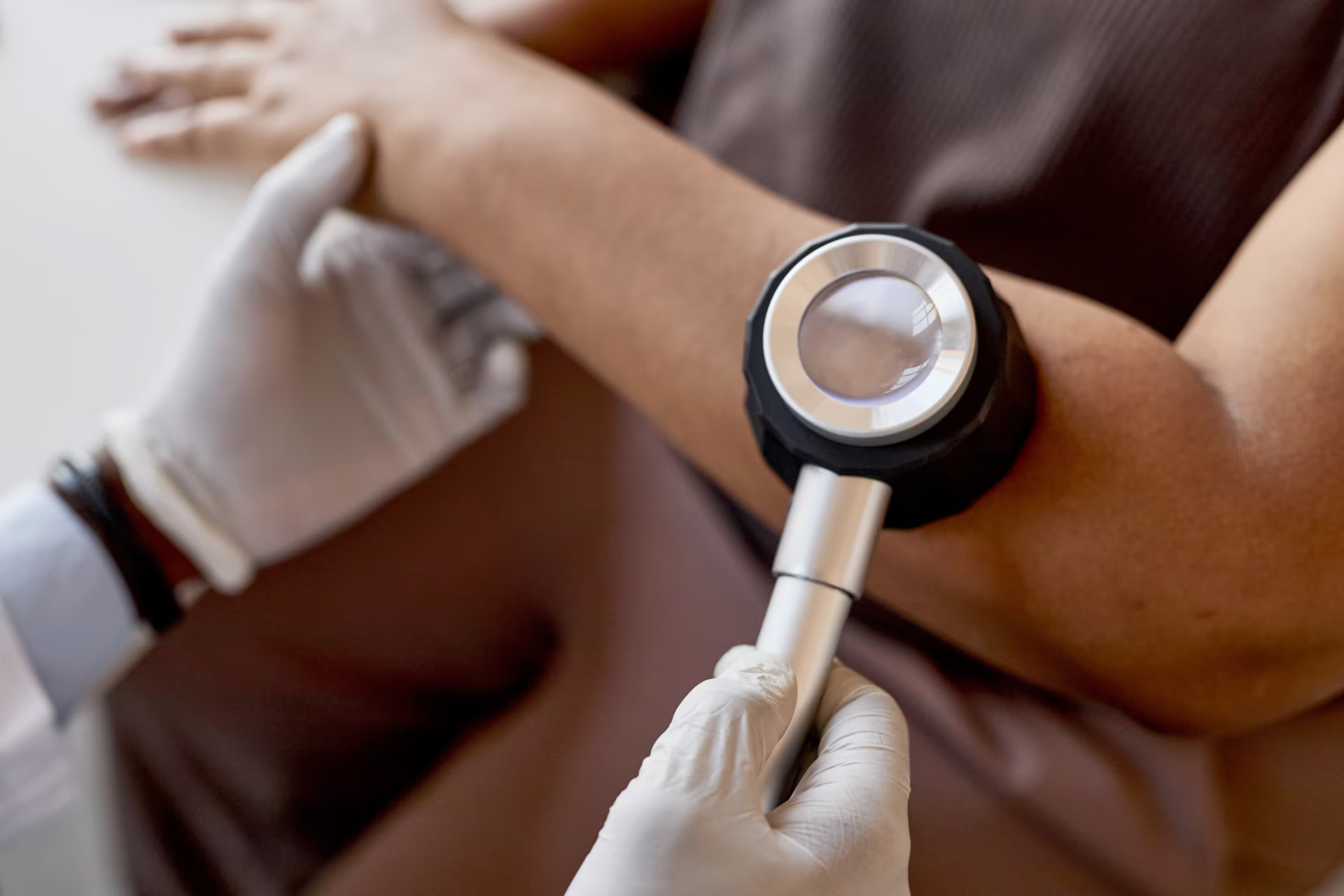
Choosing the appropriate adjuvant therapy in patients with melanoma undergoing neoadjuvant treatment
This article examines current evidence supporting the use of neoadjuvant immunotherapy in patients with resectable macroscopic stage III melanoma and critically discusses the selection of appropriate adjuvant therapy following surgery. It is written in the context of emerging evidence from ...

Dr Igor Gómez-Randulfe Rodríguez examines four studies from WCLC 2026 that could influence the evolving management of small-cell lung cancer and molecularly defined non-small-cell lung cancer, from B7-H3 antibody-drug conjugates and MRI surveillance to emerging therapies targeting EGFR exon 20 insertions and ROS1.

Bladder cancer’s treatment landscape is changing fast; and the biggest abstracts presented at ASCO 2026 show just how far that shift now extends. With insight from our Editor-in-Chief, Prof Axel S Merseburger (University Hospital Schleswig-Holstein, Germany), we examine the four studies likely to have the biggest impact on clinical practice across advanced and localized disease: EV-302, KEYNOTE-905, SAKK 06/19 and POTOMAC.

Landmark abstracts across localized and advanced prostate cancer presented at ASCO 2026 addressed treatment intensification, biomarker-driven therapy, radiotherapy modality comparisons, and novel radioligand strategies. In this piece we examine four studies that reflect important shifts in prostate cancer management, influencing both near-term treatment pathways and future: PROTEUS, TALAPRO-3, COMPPARE and ProstACT Global.

Dr Rupert Bartsch (University of Vienna, Austria) highlighted six important studies across the breast cancer landscape presented at ASCO 2026. The studies below discuss interesting and strategic developments in genomic risk stratification in early disease, supportive care optimization, HER2-positive metastatic strategies and novel antibody–drug conjugates in triple-negative breast cancer.

At AAN 2026, Dr Jigisha Thakkar presented data challenging long-standing assumptions of continuous tumor growth and suggesting that some patients may benefit from more individualized surveillance and treatment strategies. In this Q&A, Dr Thakkar discusses how intermittent dormancy in IDH-mutant gliomas may influence clinical decision-making, from MRI surveillance intervals to the timing of therapeutic intervention.

ASCO 2026 showed that thoracic oncology is moving beyond promising signals and increasingly closer to practice-changing evidence across multiple fields — from bispecific antibodies and ADC-based combinations to targeted therapy in both metastatic and peri-operative settings. In this piece, Dr Federico Monaca breaks down eight major abstracts from ASCO26, highlighting their take-aways and considering their potential relevance for clinical practice.

The 38th Annual Congress of the European Association of Nuclear Medicine (EANM) in Barcelona brought together over 9,400 participants, marking a major milestone. The meeting highlighted major advances in oncologic imaging and theranostics, with a strong emphasis on precision medicine and combination treatment strategies. Across plenary sessions, debates, and late-breaking discussions, the meeting underscored how nuclear medicine is increasingly central to cancer diagnosis, treatment selection, and therapeutic delivery.
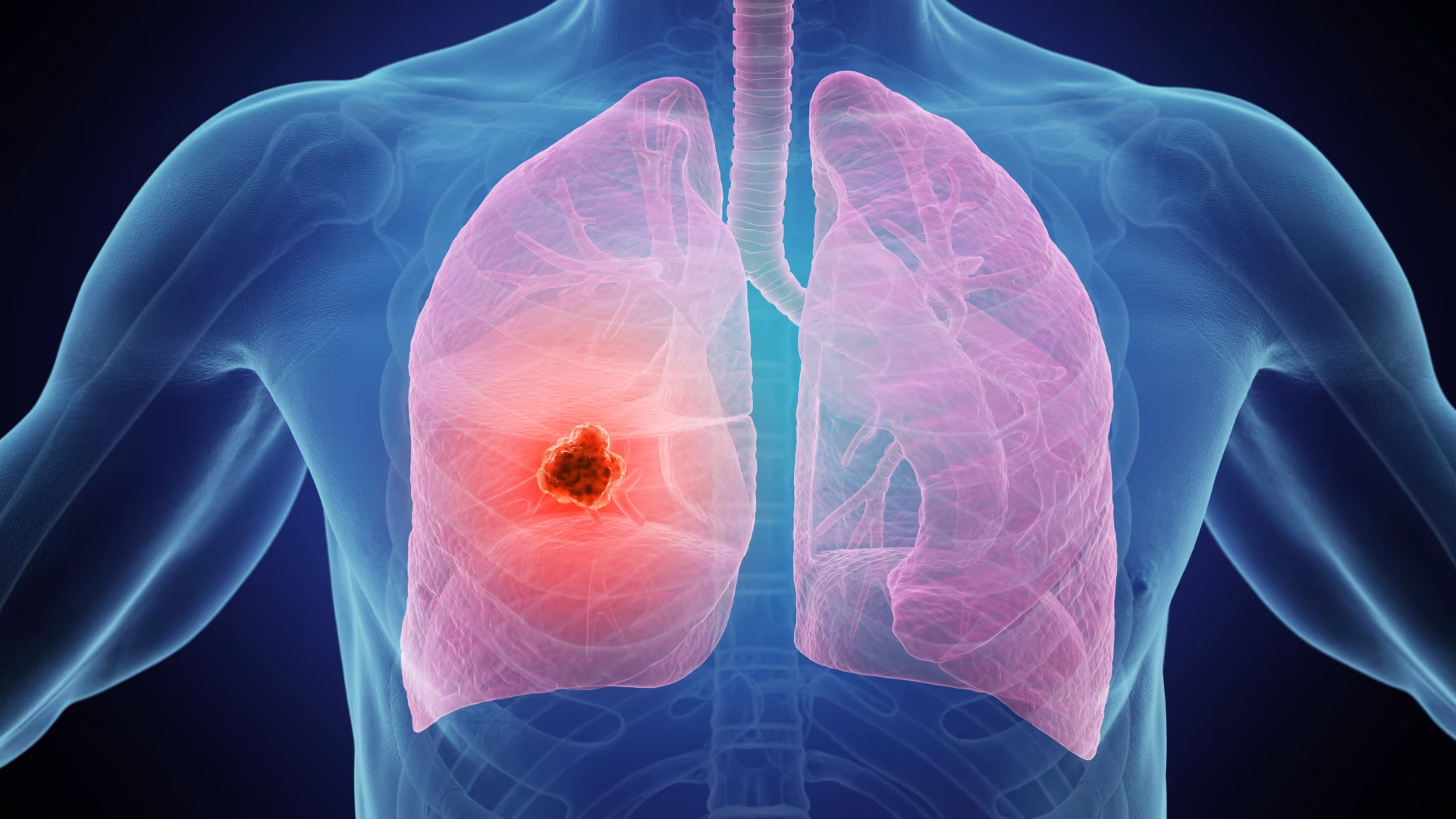
Non-small cell lung cancer (NSCLC) remains the leading cause of cancer-related mortality worldwide.1 Over the past two decades, the molecular characterization of NSCLC has transformed the therapeutic landscape by enabling the development of targeted therapies that have significantly improved outcomes ...

Among glial tumours of the central nervous system (CNS), one of the most devastating is the category of H3K27-altered midline gliomas because of their uniform and rapid mortality, high neurological symptom burden and predilection for paediatric, adolescent and ...

An immunosuppressed person is one whose immune function is impaired by underlying disease and/or immunosuppressive medications, resulting in reduced immunosurveillance against malignant cells and increased vulnerability to opportunistic infections. Longstanding immunosuppression has been linked to increased risk for cutaneous (...
Log into your Touch Account
Keep track of your clinical interests and newsletter subscriptions.
Sign up with an Email
Or use a .
Register now for FREE access
Already registered? Login below.
