

Feedback
We’d love to hear your feedback on this activity. It helps us to continually improve our products.
CORRECT!

Faculty & Disclosures
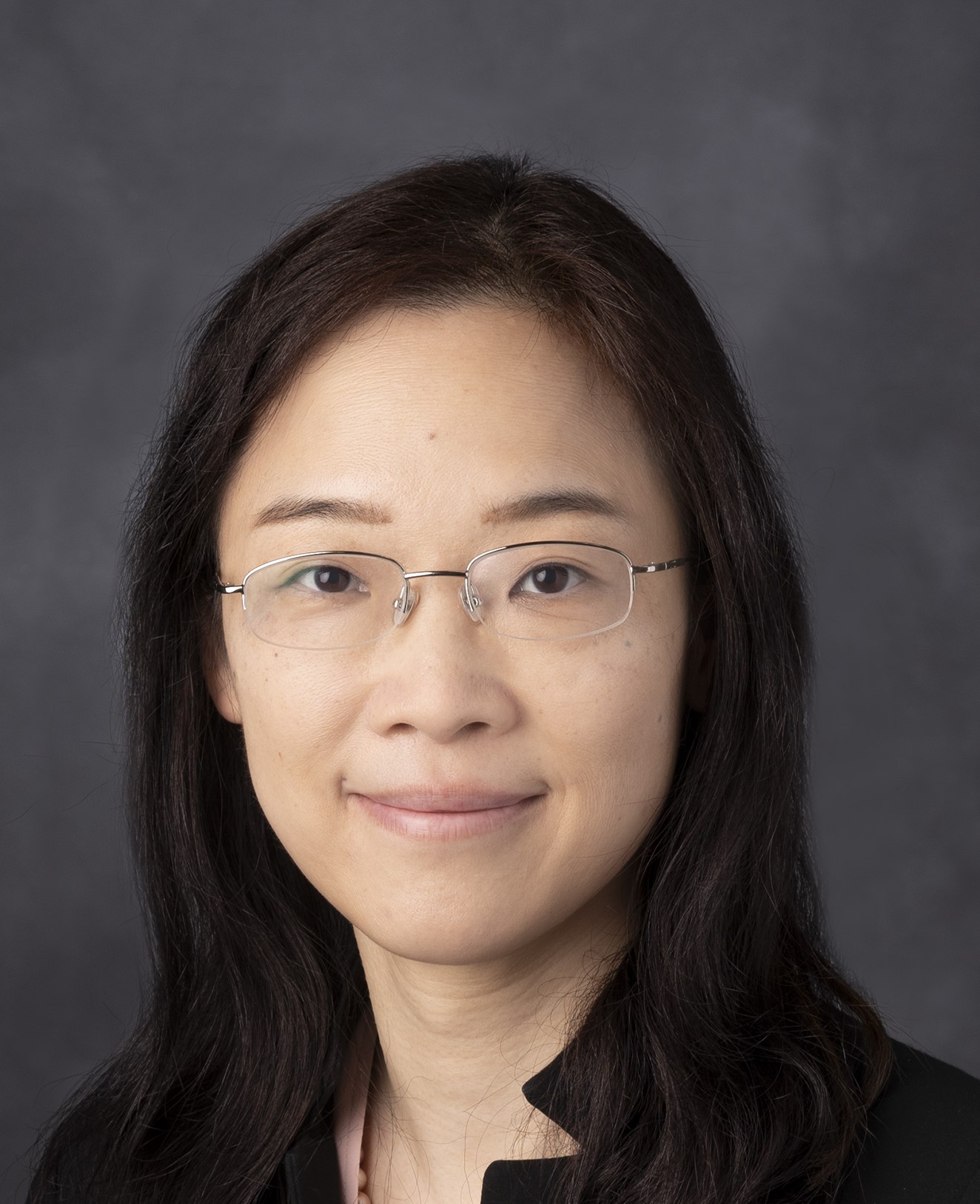
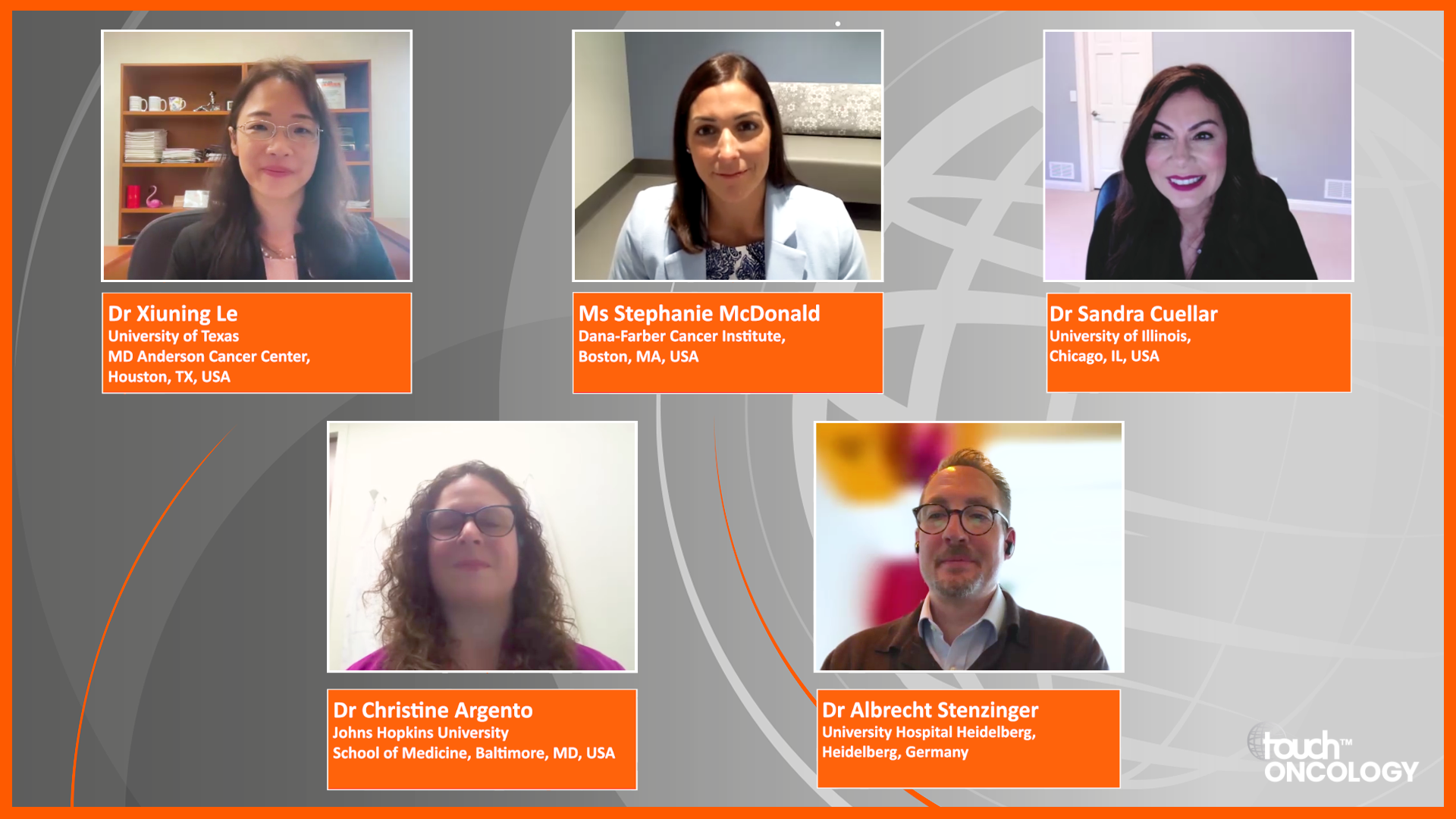
Dr Xiuning Le
University of Texas MD Anderson Cancer Center, Houston, TX, USA
Xiuning Le is an associate professor in the Department of Thoracic Head and Neck Medical Oncology at MD Anderson Cancer Center in Houston, TX, USA.read more
Dr Le received her MD from Peking Union Medical College in China and then obtained a PhD in genetics at Harvard Medical School in Massachusetts. Subsequently, she completed her internal medicine residency at the University of Massachusetts Medical Center and a Hematology/Oncology Fellowship at Beth Israel Deaconess Medical Center in Massachusetts. She joined MD Anderson Cancer Center as a faculty member in the Department of Thoracic Medical Oncology.
Dr Le’s clinical focus is on oncogene-driven lung cancers. She applies genomics expertise in her translational work to understand resistance mechanisms to targeted therapy and immunotherapy. She serves as a principal investigator for multiple trials focusing on EGFR-mutant or MET exon 14 skipping non-small cell lung cancer. Dr Le is a recipient of many prestigious awards, such as the Stand Up To Cancer (SU2C) V Scholar, American Society of Clinical Oncology (ASCO) Young Investigator and ASCO Career Development Awards.
Dr Xiuning Le discloses: Advisory board or panel fees from Abbvie, Abion, Arrivent, AstraZeneca, Bayer, Blueprint Medicines, Boehringer Ingelheim, Daiichi Sankyo, Eli Lilly, EMD Serono (Merck KGaA), Hengrui Therapeutics, Janssen, Novartis, Regeneron, Sensei Biotherapeutics, Spectrum Pharmaceutics, SystImmune, Taiho, Teligene and Taiho. Consultancy fees from Abbvie, Abion, Arrivent, AstraZeneca, Bayer, Blueprint Medicines, Boehringer Ingelheim, Eli Lilly, EMD Serono (Merck KGaA), Hengrui Therapeutics, Janssen, Spectrum Pharmaceutics, Novartis, Regeneron, Sensei Biotherapeutics, Spectrum Pharmaceutics, SystImmune, Taiho and Teligene and Taiho. Grants/Research support from ArriVent, Boehringer Ingelheim, Dizal, Eli Lilly, EMD Serono, Janssen, Regeneron, Takeda, Teligene and ThermoFisher.
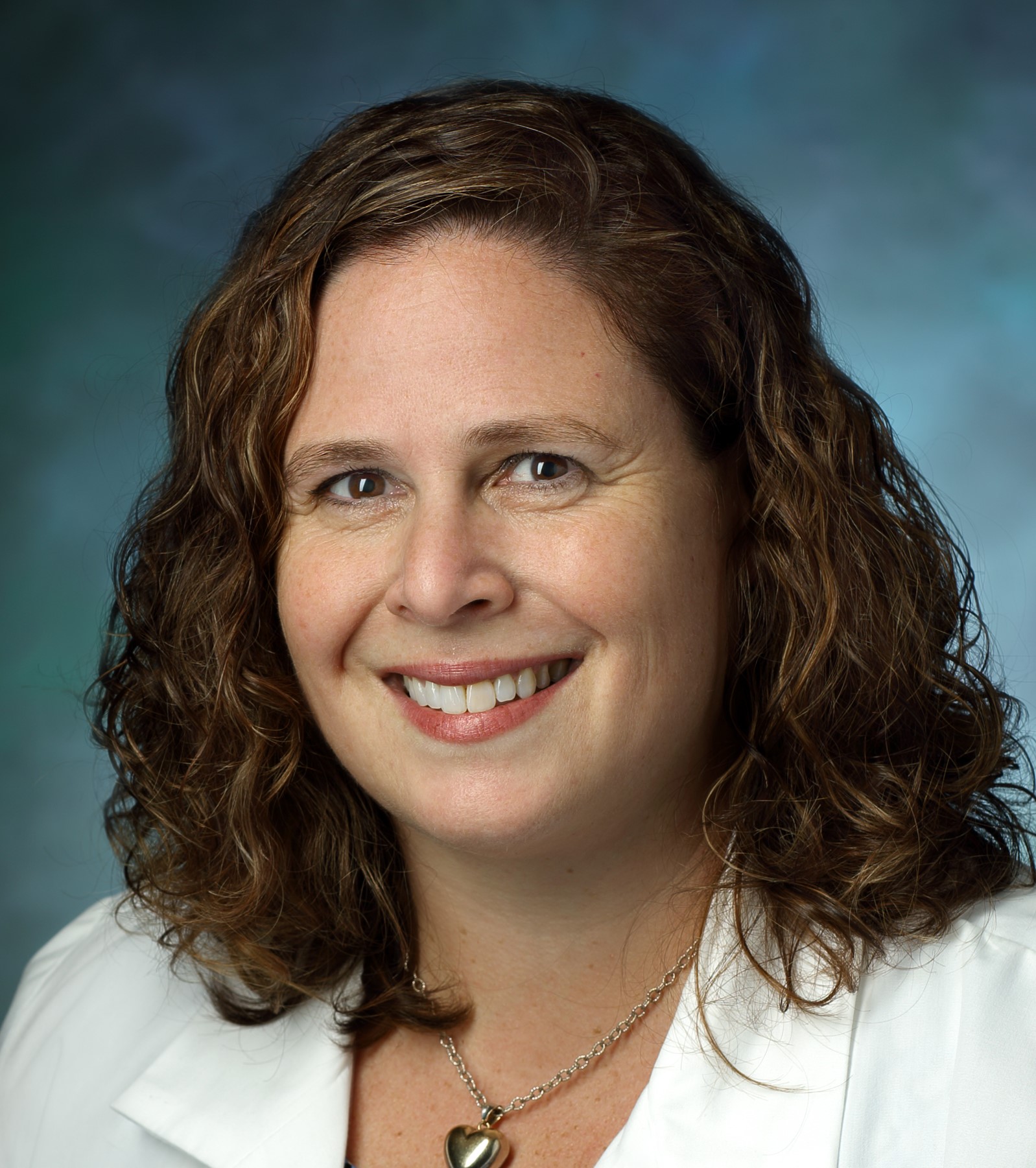
Dr Christine Argento
Johns Hopkins University School of Medicine, Baltimore, MD, USA
Christine Argento is an associate professor of medicine at The Johns Hopkins University in Baltimore, MD, USA, where she specializes in interventional pulmonology.read more
Dr Argento graduated from St. George’s University School of Medicine in Grenada, completed an internal medicine residency at the University of Medicine and Dentistry in New Jersey, a Pulmonary and Critical Care Fellowship at Yale University in Connecticut, and an additional fellowship in Interventional Pulmonology at Duke University, North Carolina.
Her main focus is on the diagnosis and palliation of patients with lung cancer and evaluation of pulmonary nodules and pleural disease. Her research involves new technologies that further the field of interventional pulmonology, increasing awareness of lung cancer and lung cancer screening, as well as disparities in lung cancer and procedural simulation education.
Dr Argento is vice president of the Association of Interventional Pulmonary Program Directors (AIPPD) and is a founding and board member of Women in Interventional Pulmonology (WiIP). She also holds leadership roles in national societies such as CHEST and the American Thoracic Society (ATS), as well as the American Association of Bronchial and Interventional Pulmonology (AABIP).
Dr Christine Argento discloses: Advisory board or panel fees from Biodesix. Consultancy fees from Biodesix, Boston Scientific, Cook Medical, Intuitive Surgical and Olympus Therapeutics.

Dr Sandra Cuellar
University of Illinois, Chicago, IL, USA
Sandra Cuellar is a clinical associate professor in the Department of Pharmacy at the University of Illinois at Chicago (UIC) College of Pharmacy and a clinical oncology pharmacist at the University of Illinois (UI) Health, both in Chicago, IL, USA. read more
She serves as the director of the oncology residency programme, member of the Data and Safety Monitoring Committee and co-chair of the Institutional Review Board at UI Health.
Dr Cuellar received her PharmD degree from the UIC College of Pharmacy, then completed a pharmacy practice residency at the University of Kentucky Chandler Medical Center in Kentucky, followed by a specialty oncology residency at MD Anderson Cancer Center in Texas.
Dr Cuellar is an editor-at-large for the Journal of Hematology Oncology Pharmacyand has served as an invited lecturer for national organizations including the Hematology/Oncology Pharmacy Association (HOPA), American Society of Health-System Pharmacists (ASHP), American College of Clinical Pharmacy (ACCP), Association of Community Cancer Centers (ACCC) and Academy of Managed Care Pharmacy (AMCP). Dr Cuellar was recently appointed a member of the ASHP Commission on Credentialing and she is the past chair of the Industry Relation Council for HOPA.
Dr Sandra Cuellar discloses: Advisory board or panel fees from Pharmacosmos (relationship terminated). Speaker’s bureau fees from Genentech and Seagen.
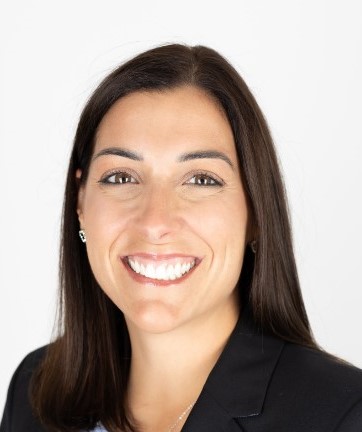
Ms Stephanie McDonald
Dana-Farber Cancer Institute, Boston, MA, USA
Stephanie McDonald is a nurse practitioner in the Thoracic Oncology Program at Dana-Farber Cancer Institute in Boston, MA, USA, with experience in medical oncology at Lahey Hospital and Medical Center in Massachusetts and the Genitourinary and Melanoma Program at Dartmouth-Hitchcock Medical Center in New Haven.read more
Ms McDonald’s clinical focus includes targeted therapies for lung cancer, managing immune checkpoint inhibitor toxicities, and improving chemotherapy education for patients and families.
Stephanie McDonald has presented at national and international conferences, and her work has been published in the Journal of Cancer Research and Clinical Oncology.
Ms Stephanie McDonald discloses: Consultancy fees from Pfizer
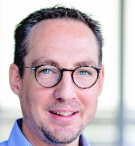
Prof. Albrecht Stenzinger
University Hospital Heidelberg, Germany
Albrecht Stenzinger is professor of molecular tumour pathology and vice chair of the Institute of Pathology (IPH), as well as the director of the Center for Molecular Pathology at the IPH, University Hospital Heidelberg, Germany.read more
Prof. Stenzinger completed his MD degree at the University of Giessen, Germany, his residency and fellowship training in pathology at the Charité University Hospital in Berlin and the University Hospital Heidelberg, Germany, and is a board-certified surgical pathologist, a molecular pathologist and senior consultant pathologist. He received postdoctoral training at the University of Heidelberg and at Massachusetts General Hospital/Harvard Medical School, USA. He has broad expertise in molecular pathology and works primarily in translational research and genetics of solid tumours, including lung cancer.
Prof. Albrecht Stenzinger discloses: Advisory board or panel fees from AGCT, AstraZeneca, Bayer, BMS, Eli Lilly, Illumina, Janssen, MSD, Novartis, Pfizer, Roche, Seattle Genetics, Takeda and Thermo Fisher Scientific. Grants/research support from Bayer, BMS, Chugai and Incyte.