
Pancreatic Cancer

The European Society for Medical Oncology (ESMO) Congress 2026 promises a compelling program of clinical data, spanning personalized cancer vaccines, next-generation antibody–drug conjugates (ADCs) and novel approaches to targeted therapy and immunotherapy. With several studies already generating excitement following positive topline announcements, all eyes will be on the full results and their potential implications for clinical practice. Below, we highlight the 12 presidential abstracts to watch, the key findings to look out for and the questions these studies could help answer.







Join us as leading experts discuss key data from the Plenary, Late-breaking and top oral sessions across each major disease area at ASCO 2026 touchONCOLOGY coverage of ASCO 2026 2026 American Society of Clinical Oncology (ASCO) Annual Meeting brought together the global oncology ...

The five selected Plenary late-breaking abstracts at the ASCO 2026 Annual Meeting in Chicago showcased some of the meeting’s most practice-influencing data. Across prostate cancer, sarcoma, lung cancer and pancreatic cancer, these phase 3 studies demonstrated meaningful improvements in survival outcomes, highlighting the growing impact of perioperative intensification, precision oncology and novel targeted therapies in difficult-to-treat disease settings.


See who the oncology community selected as the rising stars of 2026!

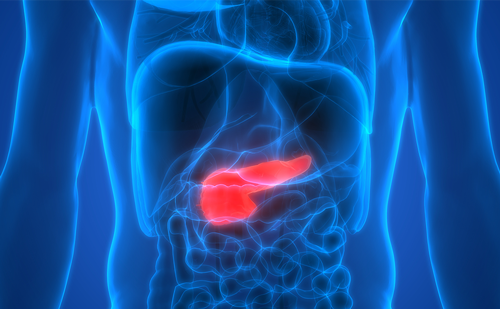
Pancreatic cancer (PC) is the tenth most common cancer in 2024, with 66,440 new cases and 51,570 deaths.1,2 Globally, the prevalence varies from 10/100,000 cases in the Americas and Europe to 0.9/100,000 cases in South Central Asia and most of Africa.3 Currently, it has the ...
The FDA has approved Optune Pax®, a wearable therapeutic device, for adult patients with locally advanced pancreatic adenocarcinoma when used in combination with standard chemotherapy (gemcitabine and nab-paclitaxel). This marks the first FDA approval of a new treatment option for ...


The European Society for Medical Oncology (ESMO) 2025 congress brought over 100 late-breaking abstracts, 250 sessions, 600 expert speakers and 33,800 delegates to Berlin in October. The meeting highlighted innovations ranging from novel agents to real-world evidence and patient-centred care. In this article, hear from the experts on the key breakthroughs and clinical insights set to shape the future of oncology practice.

This year, we are celebrating our inaugural touchONCOLOGY Future Leaders to recognize the outstanding talent that has entered our field in recent years. These individuals are set to innovate and transform oncology and haematology in the years to come.

Q&A with Dr Benjamin Weinberg: Understanding rare GI cancers (small bowel, appendix and anal cancer)
Rare gastrointestinal (GI) cancers present unique challenges in diagnosis, treatment and research. Dr. Benjamin Weinberg discusses three of the rarest GI cancers: small bowel, appendix and anal cancer.

What’s new in GI oncology? With the 2025 ASCO Gastrointestinal Cancers Symposium still fresh in our minds, we hear from leading experts on the key abstracts and presentations from the conference in the fields of colorectal and pancreatic cancer. Circulating ...
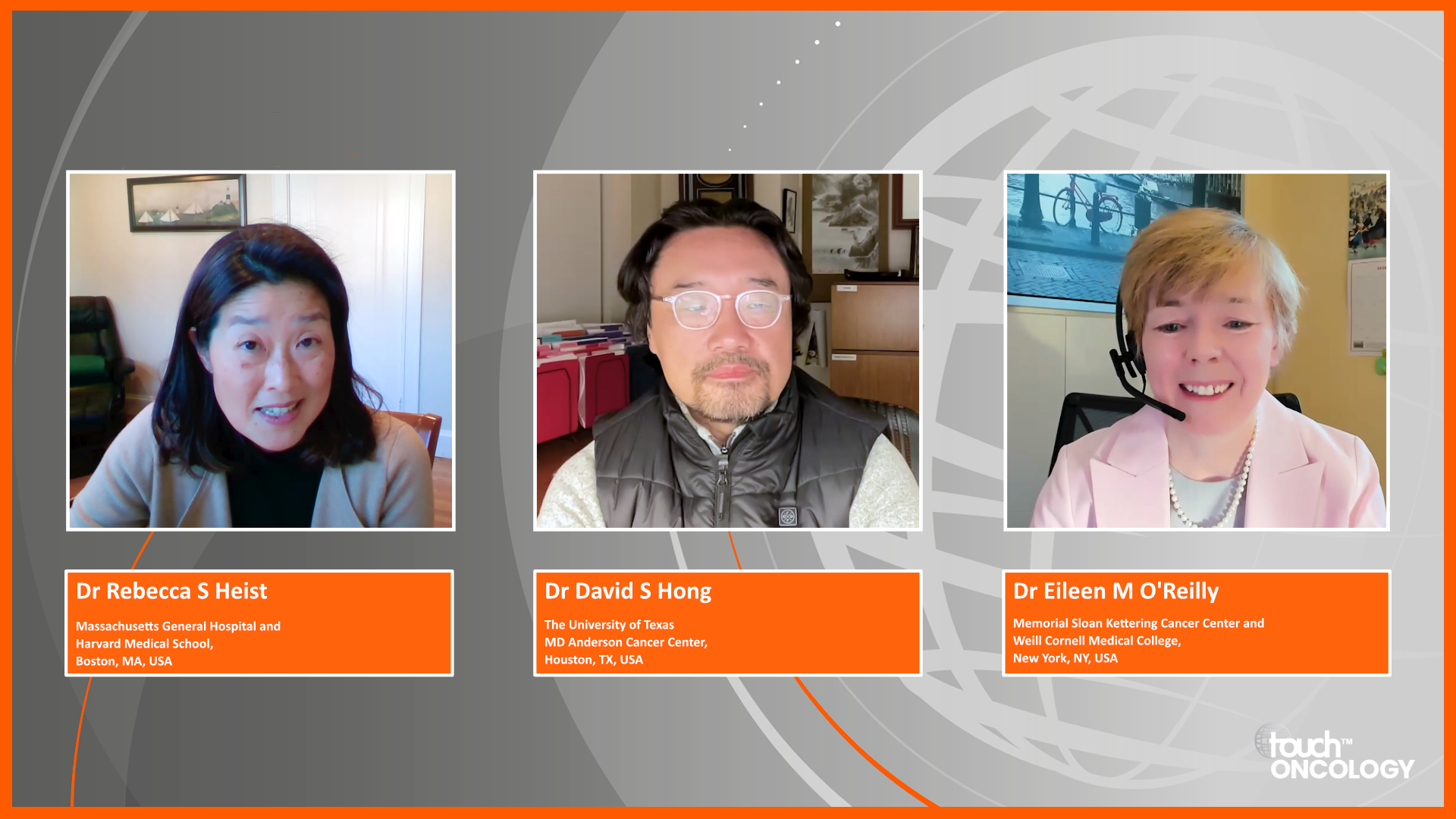

Treatment of locally advanced pancreatic cancer has really primarily consisted of systemic intravenous chemotherapy. The TIGeR-PaC trial is aiming to assess if an alternative treatment mode, intra-arterial delivery of gemcitabine, improves overall survival. In this touchONCOLOGY interview, we speak with ...
Locally advanced pancreatic cancer represents around 30% of all newly diagnosed pancreatic cancers and can be challenging to treat. In this touchONCOLOGY interview, we speak with Dr Michael Pishvaian (Johns Hopkins University School of Medicine, Baltimore, MD, USA) to discuss the ...

touchONCOLOGY were thrilled to speak to Professor Marcus S Noel (Medstar Georgetown University Hospital, Washington, DC, USA) to summarise the latest developments and data from the ASCO Gastrointestinal Cancers Symposium 2022. Questions What is the rationale for the use of L-asparaginase ...
Log into your Touch Account
Keep track of your clinical interests and newsletter subscriptions.
Sign up with an Email
Or use a .
Register now for FREE access
Already registered? Login below.