
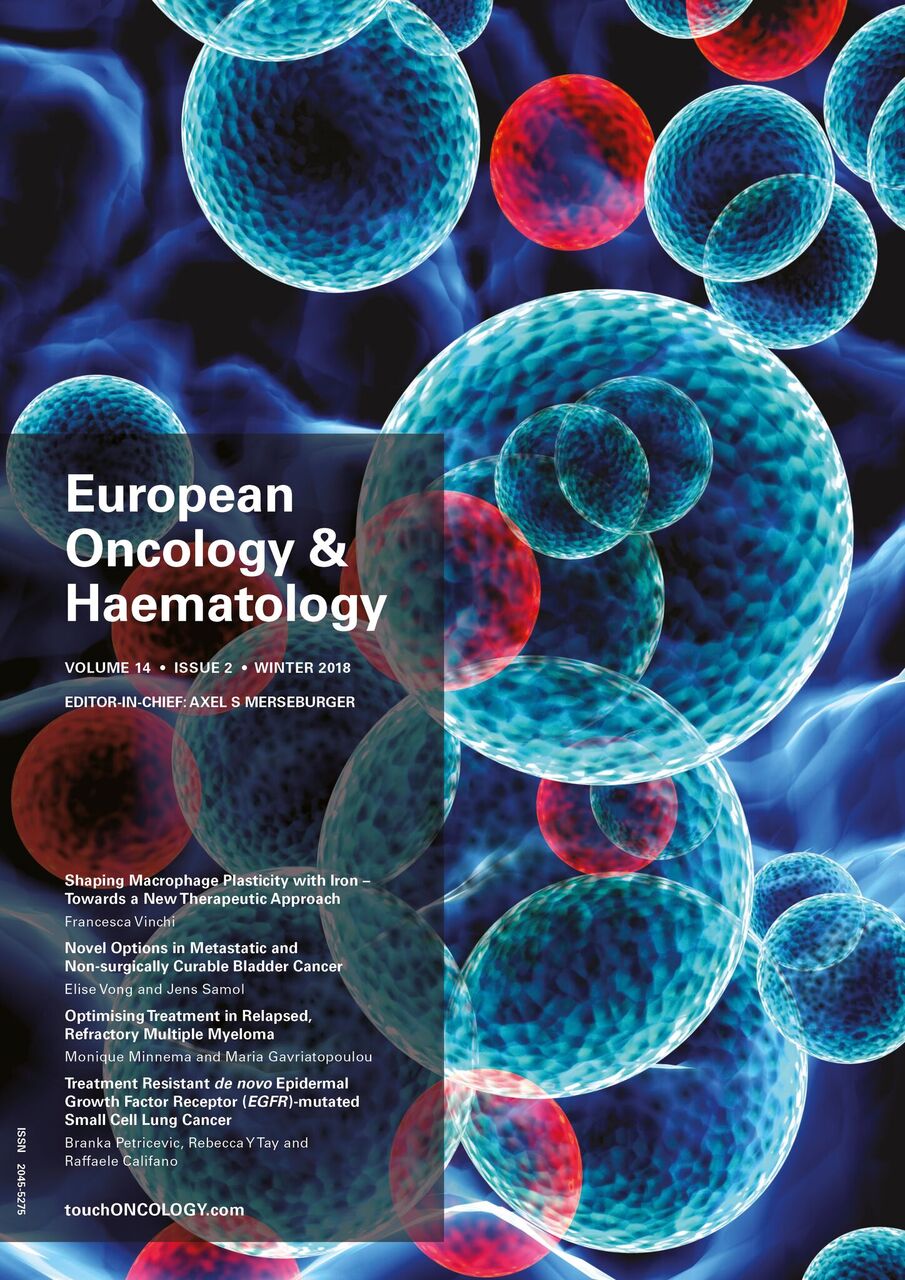
EUROPEAN ONCOLOGY & HAEMATOLOGY VOLUME 14 ISSUE 2 – WINTER 2018
Welcome to the winter edition of European Oncology and Haematology. At the end of another year in which the field of oncology has reported new standards of care and improved outcomes in numerous types of cancer, we feature a range of topical articles covering several therapeutic areas.
This edition begins with a fascinating editorial from Francesca Vinchi on the role of free haem and iron in shaping macrophage plasticity towards a pro-inflammatory phenotype, which may have important therapeutic implications for patients with sickle cell disease. In our expert interviews, Reinhard Dummer discusses the findings of the landmark COLUMBUS clinical trial and their implications for the treatment of BRAF-mutant melanoma, Miguel Marcao provides an update on the clinical development of lenvatinib for the treatment of hepatocellular carcinoma and Jason Lester explains the benefits and limitations of proton-beam therapy in the treatment of solid tumours.
Case reports are an important addition to scientific journals as they can raise awareness of rare subtypes of common diseases, as well as side effects of frequently used medications. In this issue, Petricevic et al. present a case of epidermal growth factor receptor (EGFR) mutations in a patient with small cell lung cancer, an unusual finding as such mutations are generally associated with non-small cell lung cancers.
Despite advances in the treatment of numerous cancers, the prognosis for patients with metastatic or locally advanced, non-resectable bladder cancer remains poor with platinum-based chemotherapy. Jong and Samoi present a much-needed review of the latest advances in immune checkpoint inhibition and other novel therapeutic options in this patient population. By contrast, the treatment landscape of multiple myeloma has been transformed in recent years thanks to the introduction of novel agents and new combination therapies. Minnema and Gavriatopoulou review the remaining challenges and unmet needs in the treatment of this malignancy, with a focus on tailoring treatment to the individual patient. Finally, Janssens and Wakelin present a mini-review that compares centrifugal and membrane therapeutic plasma exchange and the factors influencing treatment decisions.
Welcome to the winter edition of European Oncology and Haematology. At the end of another year in which the field of oncology has reported new standards of care and improved outcomes in numerous types of cancer, we feature a range of topical articles covering several therapeutic areas. This edition begins with a fascinating editorial from […]
Editorial
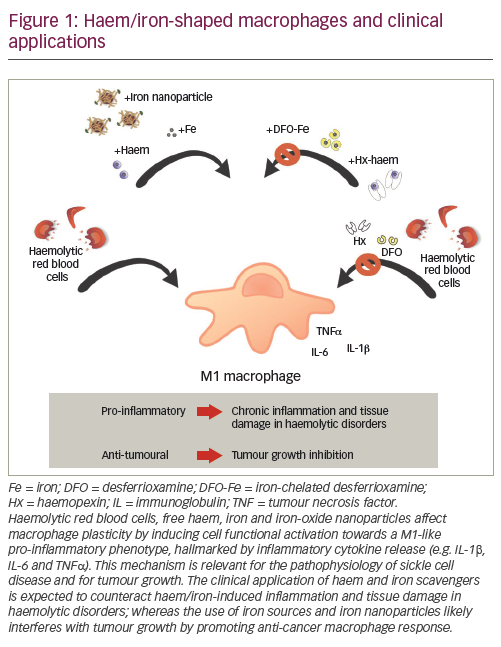
Reticulo-endothelial (RES) macrophages are central for the regulation of iron homeostasis. These cells have the ability to handle a high amount of haemoglobin-derived iron, released after senescent red blood cell phagocytosis. Eventually, iron is exported to the bloodstream through the only known iron exporter, ferroportin, and is utilised to support the production of new red […]
Expert Interviews
Melanoma represents a significant and increasing public health burden, and is the largest cause of skin cancer-related deaths.1 Approximately half of advanced (unresectable or metastatic) melanomas have a mutation in the BRAF gene, with V600E being the most common mutation, leading to the therapeutic use of BRAF inhibitors.2 However, the response rates with single-agent BRAF […]
Liver cancer is the second leading cause of cancer-related death, and has limited treatment options and a poor prognosis.1 Mortality owing to liver cancer has increased in the past 20 years, with a reported incidence of 841,080 cases per year.2 Hepatocellular carcinoma (HCC) represents about 90% of primary liver cancer cases.1 Multiple single agent and […]
Proton beam therapy is a type of radiotherapy that employs a high energy beam of protons rather than high energy X-rays to deliver a dose of radiotherapy for patients with cancer.1 The UK has been involved in the development of proton beam therapy; a specialist eye service at Clatterbridge, Merseyside, UK, was the first hospital-based […]
Case Report
Small cell lung cancer (SCLC) is an aggressive high-grade bronchogenic carcinoma with neuroendocrine features occurring predominantly in current or former smokers.1 Despite initial sensitivity to platinum-based chemotherapy, almost all patients will relapse and develop resistance to conventional treatment.2 At present, no effective targeted treatment strategies have been approved in SCLC.3 In contrast, oncogenic driver mutations […]
Reviews
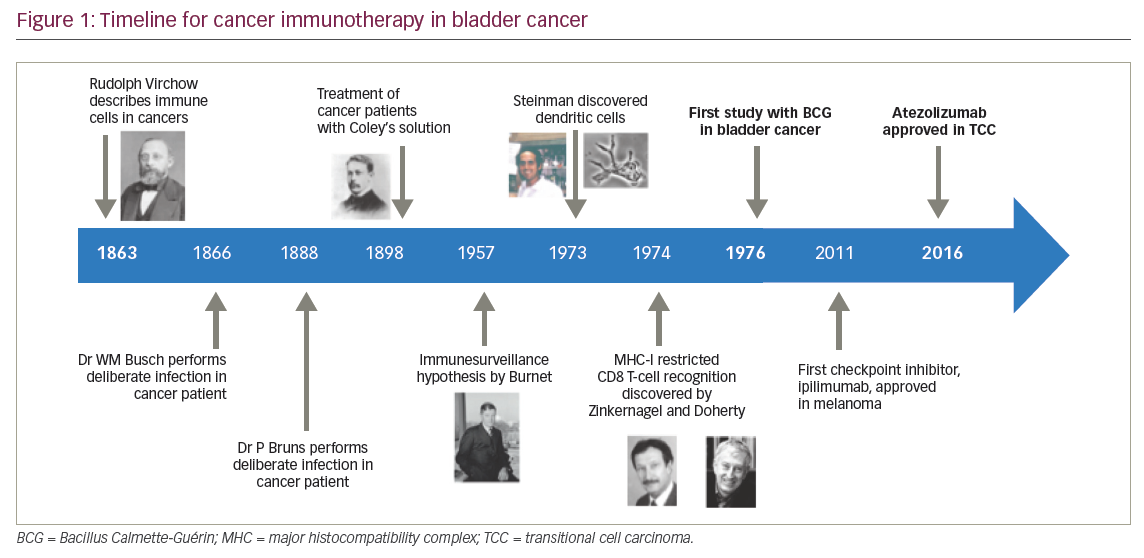
Bladder cancer is the ninth most common cancer worldwide, with an estimated 430,000 new cases and 165,000 deaths in 2012.1 More than 90% of bladder cancers are of urothelial cell origin and the remaining histological subtypes include either pure forms of histological variants, such as squamous cell carcinoma, adenocarcinoma, small cell carcinoma and sarcoma, or […]
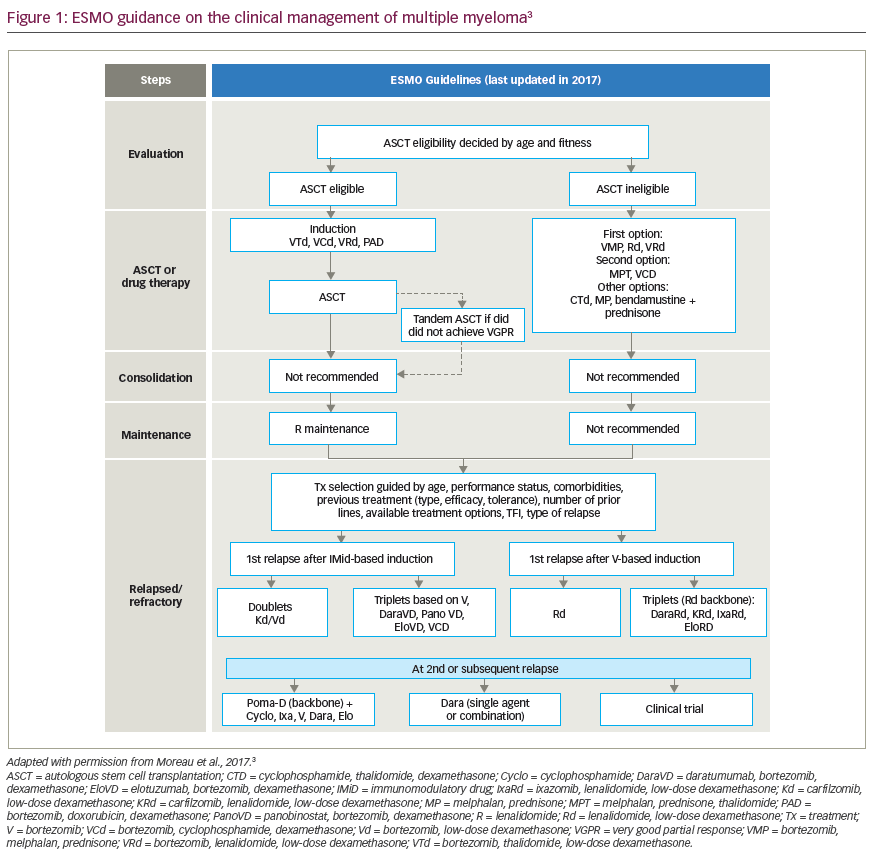
The past decade has experienced a shift in the treatment landscape for multiple myeloma (MM), with the introduction of novel agents and new combination therapies which have improved survival outcomes for patients across all disease settings.1 These advances in treatment strategy have extended median relative survival to 7.7 years in patients with myeloma aged 65 […]
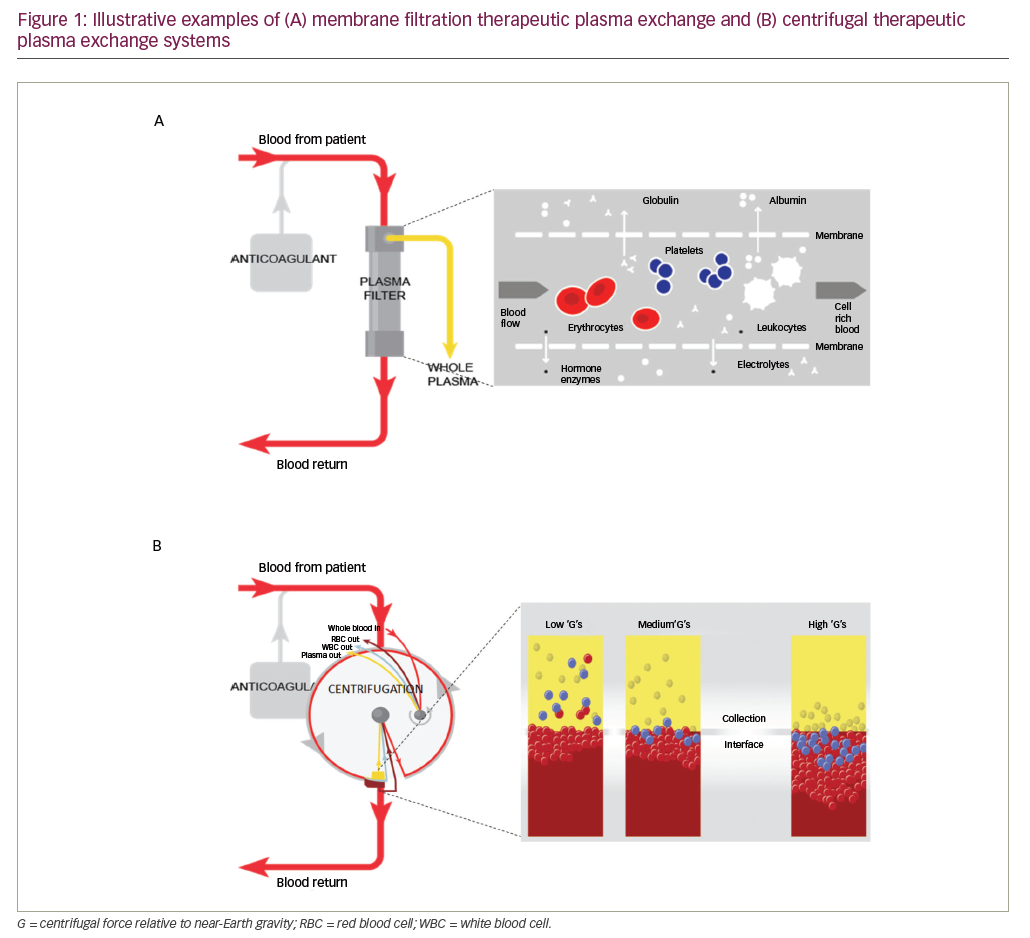
Therapeutic plasma exchange (TPE) is an extracorporeal technique that involves separating a large volume of a patient’s plasma from the cellular components of the blood and replacing it with appropriate fluids.1 In patients with conditions that are induced and/or exacerbated by pathologic factors and toxins circulating in the plasma, TPE can help eliminate symptoms or […]

Trending Topic
The first primary microangiopathic haemolytic anaemia was identified as thrombotic thrombocytopenic purpura (TTP) by Dr Moschowitz in 1924. At that time, the classic pentad of clinical features, still used today, included fever, erythrocyte fragmentation, thrombocytopenia, kidney injury and neurologic injury.1 It is now known that this disease is characterized by the deficiency of a disintegrin and metalloproteinase with thrombospondin-1-like […]
Journal Archive
Comprising articles contributed by renowned thought leaders, European Oncology & Haematology is a peer reviewed, free-to-access, bi-annual journal that aims to disseminate best practice through review articles addressing the most important and salient developments in the Oncological & Haematology field in practical terms.
European Oncology & Haematology
Frequency: Two print issues per year (Summer & Winter); ePub ahead of print throughout the year.
Print ISSN: 2045-5275 Electronic ISSN: 2045-5283
Indexing: EMBASE, Google Scholar, Genamics JournalSeek
Log into your Touch Account
Keep track of your clinical interests and newsletter subscriptions.
Sign up with an Email
Or use a .
Register now for FREE access
Already registered? Login below.