ASCO
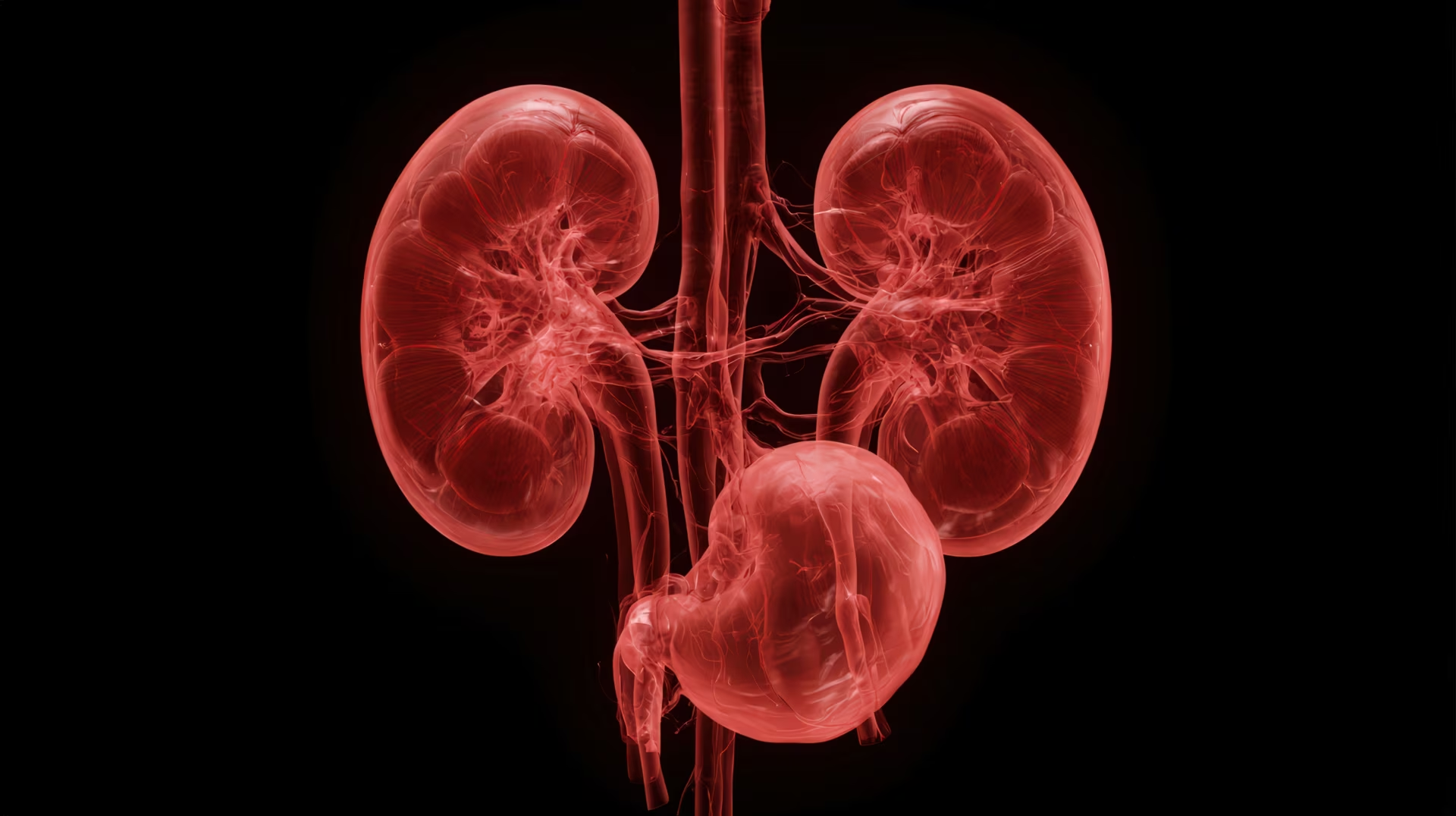
Urothelial carcinoma (UC) is the 11th most common cancer in the UK, with approximately 11,000 new bladder cancer diagnoses annually.1 Globally, bladder cancer accounts for approximately 635,000 new diagnoses and 228,000 deaths annually, based on the latest GLOBOCAN estimates for 2024.2 Bladder cancer constitutes ...
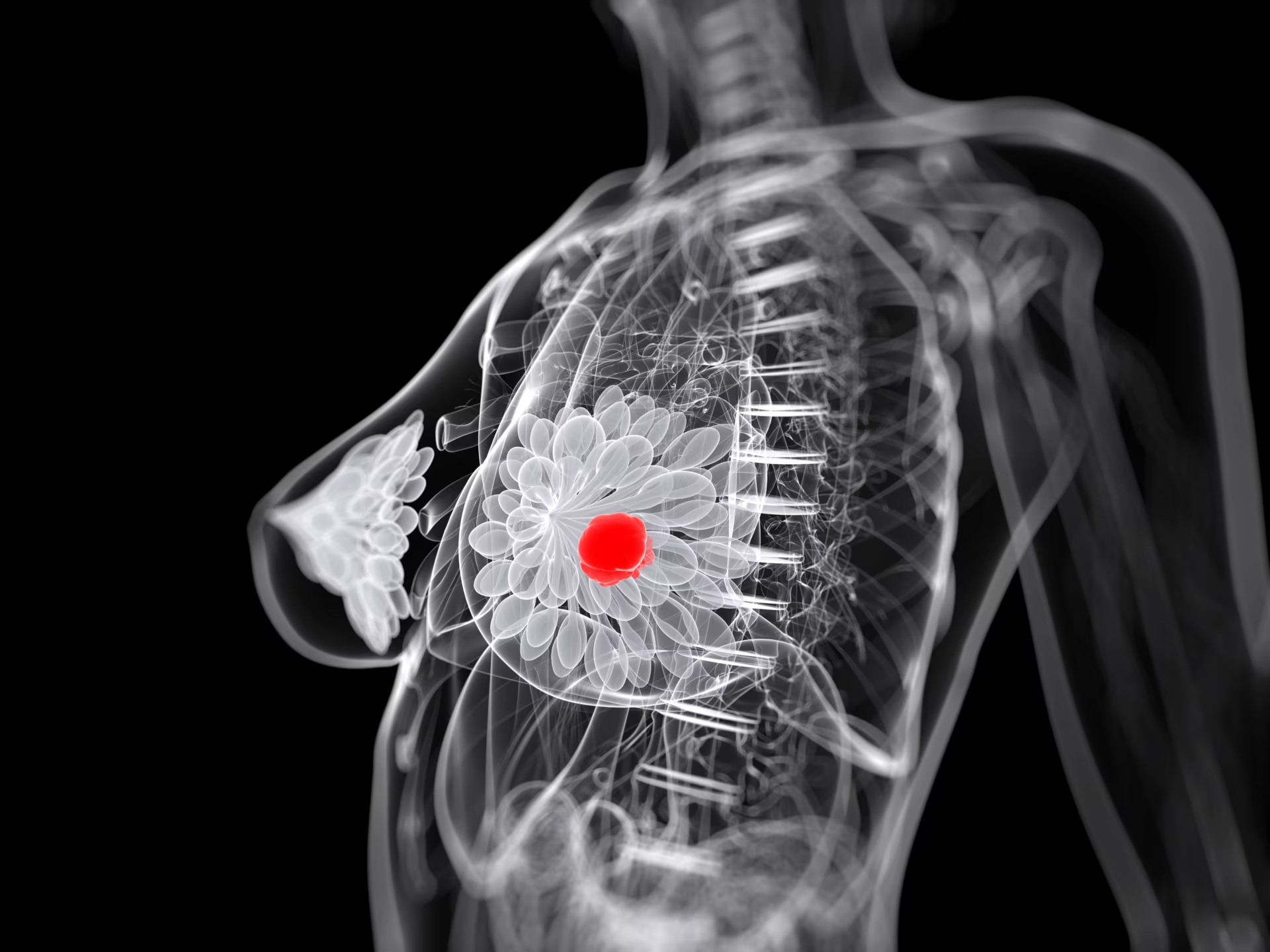
Metastatic triple-negative breast cancer (mTNBC) is a clinically heterogeneous disease, but compared with other breast cancer subtypes, triple-negative breast cancer (TNBC) is generally associated with a poorer prognosis and has historically had limited therapeutic options.1 The 5-year survival rate remains ...
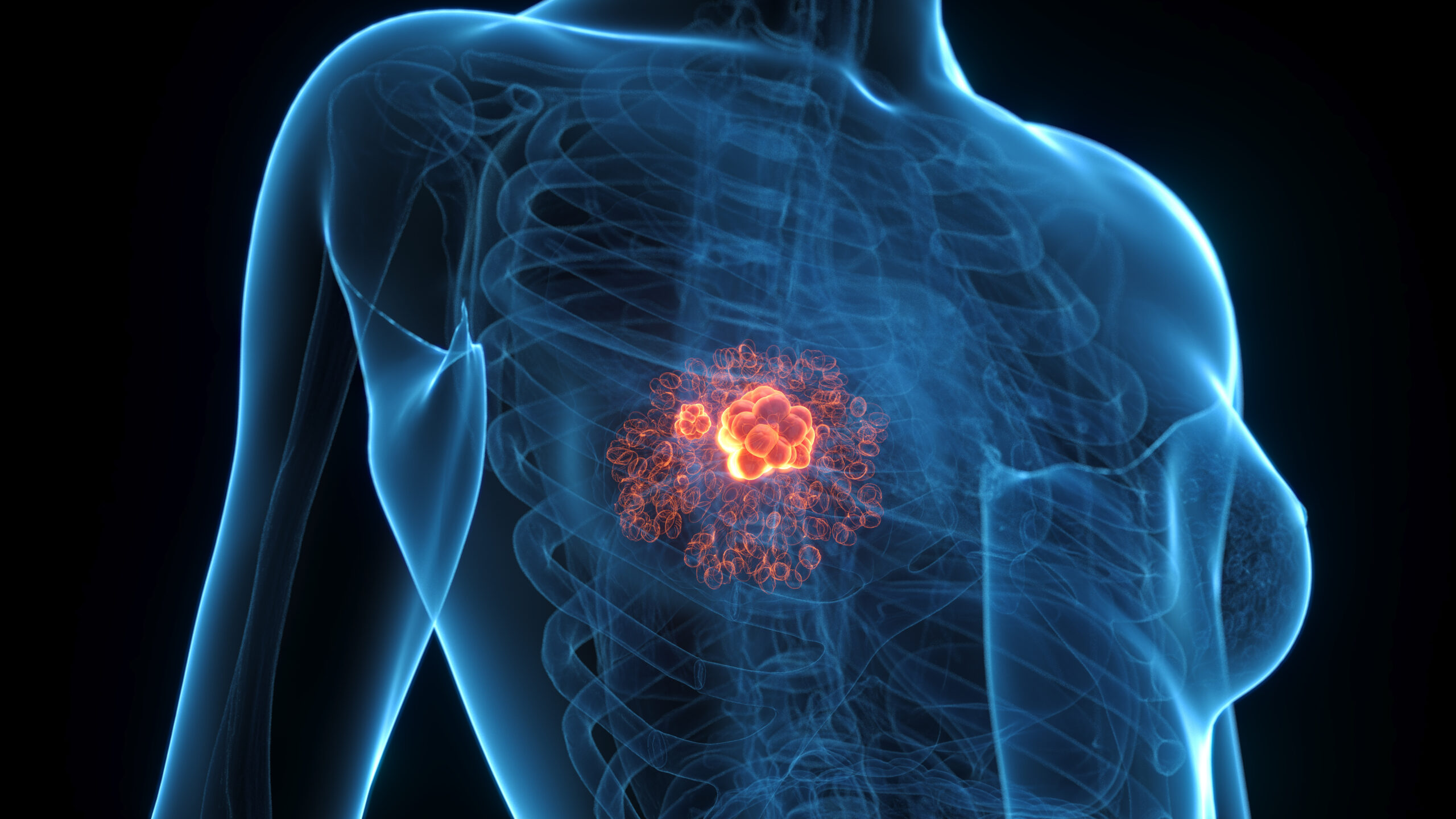
Circulating tumor DNA (ctDNA) has emerged as an innovative and minimally invasive tool in precision oncology. With a short half-life of 30–120 min, ctDNA provides real-time insight into tumor dynamics.1 In early-stage breast cancer, there is growing evidence supporting its potential ...








Several important lymphoma studies presented at ASCO 2026 provided new data across newly diagnosed and relapsed/refractory disease settings. The studies spanned aggressive B-cell lymphomas and classic Hodgkin lymphoma, evaluating novel antibody-based combinations, epigenetic targeting strategies and chemotherapy-sparing approaches. Dr Tycel Phillips provides his expert insights into the six most important studies of the meeting.

Join us as leading experts discuss key data from the Plenary, Late-breaking and top oral sessions across each major disease area at ASCO 2026 touchONCOLOGY coverage of ASCO 2026 2026 American Society of Clinical Oncology (ASCO) Annual Meeting brought together the global oncology ...

Extended follow-up from the phase 3 INDIGO trial presented at ASCO 2026 provides further evidence that vorasidenib may offer durable disease control in patients with grade 2 glioma harboring IDH1/2 mutations, reinforcing earlier findings that led to its regulatory approvals. In the article below, we provide a details analysis of the latest INDIGO data and Dr Timothy Cloughesy's expert perspective on what the longer-term efficacy and safety findings could mean for the evolving treatment landscape in IDH-mutant glioma.

Could upfront PARP inhibition transform outcomes for patients with HRR-altered metastatic hormone-sensitive prostate cancer? New data from the landmark TALAPRO-3 trial show meaningful rPFS gains with talazoparib plus enzalutamide, reinforcing the importance of early biomarker testing. [touchplayvideo video_id="m9...

From adjuvant immunotherapy to microbiome-driven precision medicine, the biggest renal cell carcinoma abstracts presented at ASCO 2026 highlight where the field is heading next, and what may change first. In this round-up, we discuss the key data from four of the meeting’s most important studies, from investigational to late-phase: RAMPART, KEYNOTE-564, CaboNivo in patients with nccRCC and microbiome-based predictive biomarker development in mRCC.

Bladder cancer’s treatment landscape is changing fast; and the biggest abstracts presented at ASCO 2026 show just how far that shift now extends. With insight from our Editor-in-Chief, Prof Axel S Merseburger (University Hospital Schleswig-Holstein, Germany), we examine the four studies likely to have the biggest impact on clinical practice across advanced and localized disease: EV-302, KEYNOTE-905, SAKK 06/19 and POTOMAC.

Landmark abstracts across localized and advanced prostate cancer presented at ASCO 2026 addressed treatment intensification, biomarker-driven therapy, radiotherapy modality comparisons, and novel radioligand strategies. In this piece we examine four studies that reflect important shifts in prostate cancer management, influencing both near-term treatment pathways and future: PROTEUS, TALAPRO-3, COMPPARE and ProstACT Global.

Several late-breaking gastrointestinal oncology studies presented at ASCO 2026 highlighted how treatment selection is continuing to evolve across colorectal, hepatobiliary, gastric, and esophageal cancers, with new data on ctDNA-guided adjuvant therapy, earlier integration of targeted agents, and intensified perioperative strategies. In this round-up, we have selected six of the most important late-breakers, and examine the latest data from CIRCULATE, BREAKWATER, EMERALD-3, Neo-CRAG, SCIENCE, and RC48-C027.

New ASCENT-04 data presented at ASCO 2026 suggest that first-line sacituzumab govitecan plus pembrolizumab may provide sustained clinical benefit beyond first progression in patients with previously untreated PD-L1-positive metastatic triple-negative breast cancer. The exploratory post-hoc analysis showed improved PFS2 versus chemotherapy plus pembrolizumab, despite high crossover to sacituzumab govitecan in the control arm.

Dr Rupert Bartsch (University of Vienna, Austria) highlighted six important studies across the breast cancer landscape presented at ASCO 2026. The studies below discuss interesting and strategic developments in genomic risk stratification in early disease, supportive care optimization, HER2-positive metastatic strategies and novel antibody–drug conjugates in triple-negative breast cancer.

At ASCO 2026 several neuro-oncology presentations focused less on introducing entirely new paradigms and more on defining where existing and emerging therapies may best fit. Across brain metastases and glioma, phase 3 data addressed longstanding practical questions around radiation delivery, chemotherapy duration, and local therapies, while updated targeted therapy data in IDH-mutant glioma continued to mature. In this piece, Dr Rimas Lukas highlights four main abstracts from ASCO 2026, discussing their take-aways and considering their potential relevance for clinical practice.

ASCO 2026 showed that thoracic oncology is moving beyond promising signals and increasingly closer to practice-changing evidence across multiple fields — from bispecific antibodies and ADC-based combinations to targeted therapy in both metastatic and peri-operative settings. In this piece, Dr Federico Monaca breaks down eight major abstracts from ASCO26, highlighting their take-aways and considering their potential relevance for clinical practice.

The five selected Plenary late-breaking abstracts at the ASCO 2026 Annual Meeting in Chicago showcased some of the meeting’s most practice-influencing data. Across prostate cancer, sarcoma, lung cancer and pancreatic cancer, these phase 3 studies demonstrated meaningful improvements in survival outcomes, highlighting the growing impact of perioperative intensification, precision oncology and novel targeted therapies in difficult-to-treat disease settings.

Dr Bishal Gyawali on curiosity, communication and global oncology: touchONCOLOGY Future Leaders 2026
In this Future Leaders interview, Dr Gyawali discusses how patient-centered care, evidence-based practice and mentorship have shaped his career, and why curiosity, resilience and purpose are essential for the next generation of oncologists.

 touchONCOLOGY
Register Now!
Explore the latest in medical education and stay current in your field. Create a free account to track your learning.
- Save your progress for video
- Keep track of your CME credits
- Add personalised learning notes
- Receive updates from course leaders and faculty
- Be the first to hear about new and exciting interactive learning opportunities
Log into your Touch Account
Keep track of your clinical interests and newsletter subscriptions.
Sign up with an Email
Or use a .
Register now for FREE access
Already registered? Login below.