Trending Topic

3 mins

Trending Topic

Developed by Touch
Mark CompleteCompleted
BookmarkBookmarked

It is with great pleasure that we present the latest edition of touchREVIEWS in Oncology & Haematology. This issue reflects the growing momentum of precision oncology, from liquid biopsy and response-adapted strategies to antibody–drug conjugates (ADCs) and immune-based therapies, alongside the challenges of translating these advances into routine, equitable care. We open with an editorial […]

Independent medical education grants from Alexion and SpringWorks Therapeutics, Inc.

These activities are jointly provided by USF Health and touchIME.

touchIME is an EBAC® accredited provider.
Latest Activities

Downloads

Activities
Downloads
Activity 2

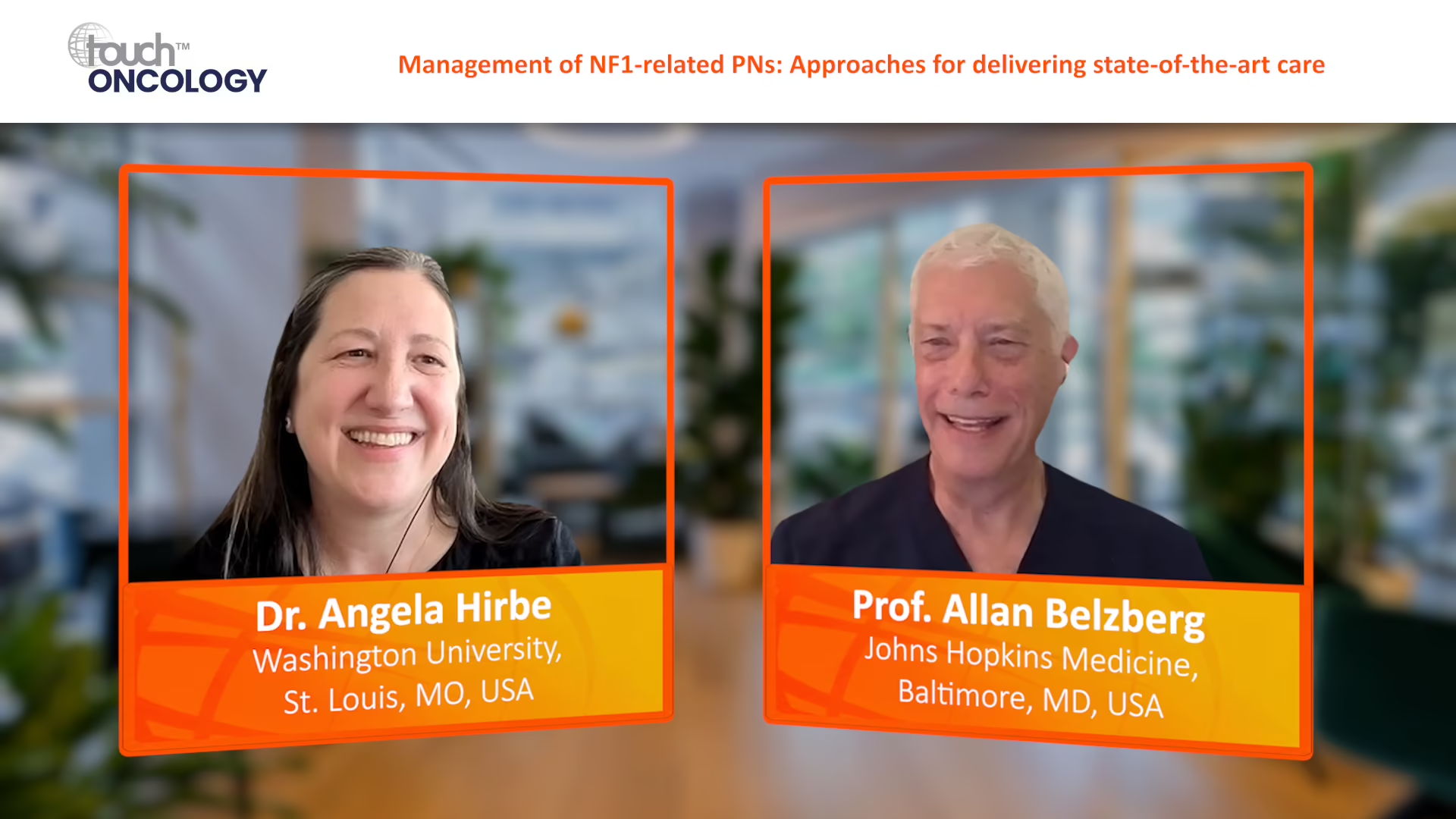
Management of NF1-related PNs: Approaches for delivering state-of-the-art care3

Learning Objectives
Launched Sep 30, 26
11 mins
Module 1 1 Module

When should systemic and targeted therapies be considered for adults with NF1-PNs?

View Chapters
Expert discussion of how symptoms, functional impact, resectability and patient goals can guide treatment decisions for adults with NF1-PNs
A neurosurgeon and an oncologist discuss the role of surgery, MEK inhibitors, and multidisciplinary care in adult NF1-PN management

Activity Modules
Close

Introduction

Duration: 2:46

What do you think is the optimal approach to monitoring adults with NF1-PNs, and what factors would lead you to move from a watch-and-wait approach to active management?

Duration: 1:09

What are some of the key challenges in establishing an optimal approach to treating and managing NF1-PNs in adults, and which clinical specialists do you routinely include in discussions about management options?

Duration: 2:06

When discussing the benefits and risks of targeted therapies for NF1-PNs with adult patients as part of shared decision‑making, what points are particularly important for them to understand?

Duration: 2:18

How long do you typically continue targeted therapy if a patient’s NF1‑PN responds well? If treatment benefit is limited, lost over time, or treatment is stopped, how do you decide what to do next?

Duration: 3:25
9 mins
Module 2

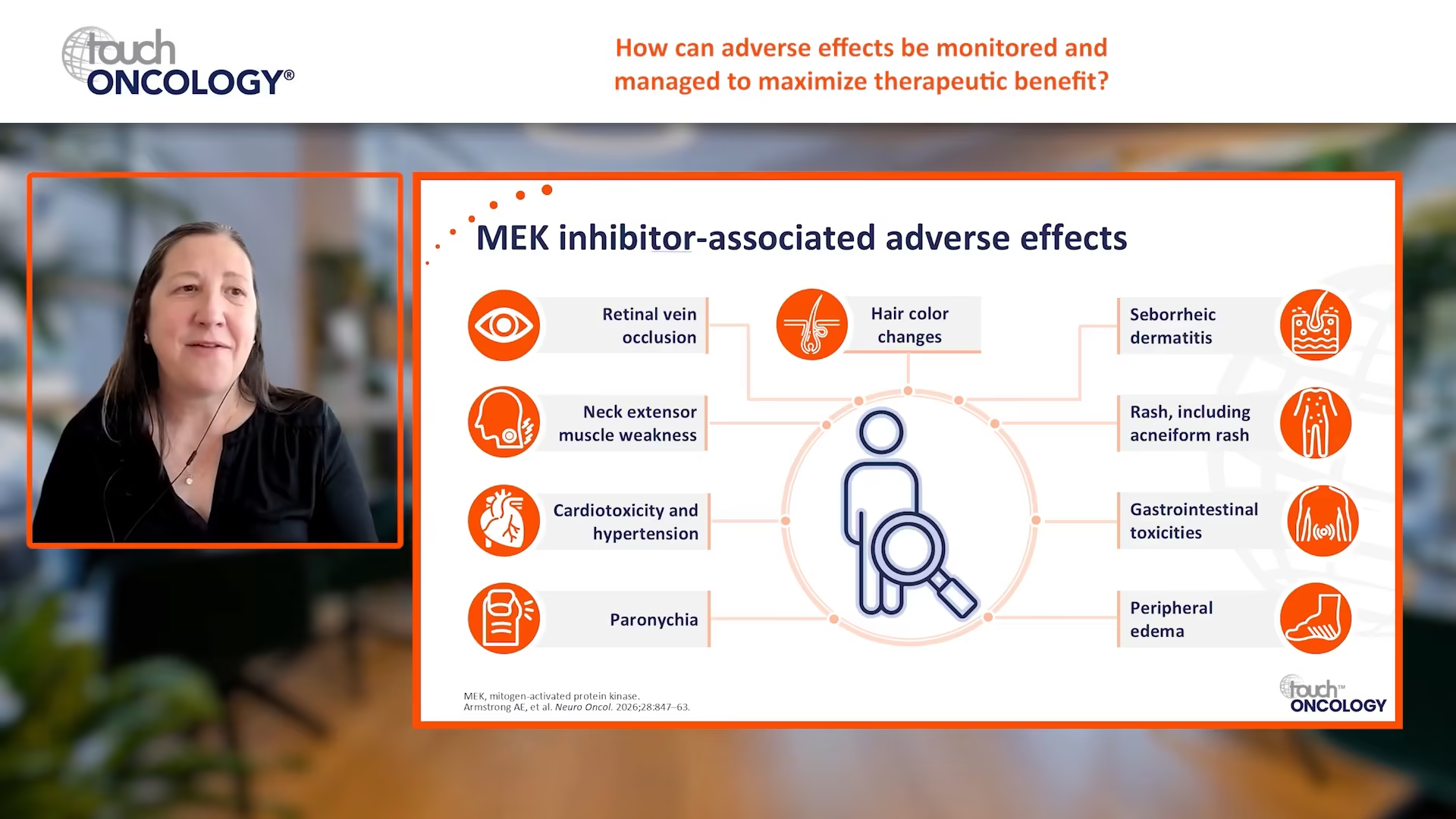
How can adverse effects be monitored and managed to maximize therapeutic benefit?

View Chapters
Expert discussion of baseline assessment, ongoing monitoring, and early management of MEK inhibitor–related adverse effects in adults with NF1-PNs
A neurosurgeon and an oncologist discuss dermatologic, gastrointestinal, ocular, and cardiac considerations during MEK inhibitor treatment

Activity Modules
Close

Introduction

Duration: 1:47

What baseline assessments and on‑treatment monitoring do you recommend for adults with NF1‑PNs receiving a MEK inhibitor, and do these vary according to patient or disease characteristics?

Duration: 1:58

Which MEK inhibitor‑related adverse effects are most important to recognize early in adults with NF1‑PN, and which are most likely to affect treatment adherence or require specialist input?

Duration: 3:10

How do you approach prevention and management of common toxicities, including dermatologic, gastrointestinal, ocular, and cardiac adverse effects, to maximize tolerability and support continuation of treatment?

Duration: 2:38
12 mins
Module 3

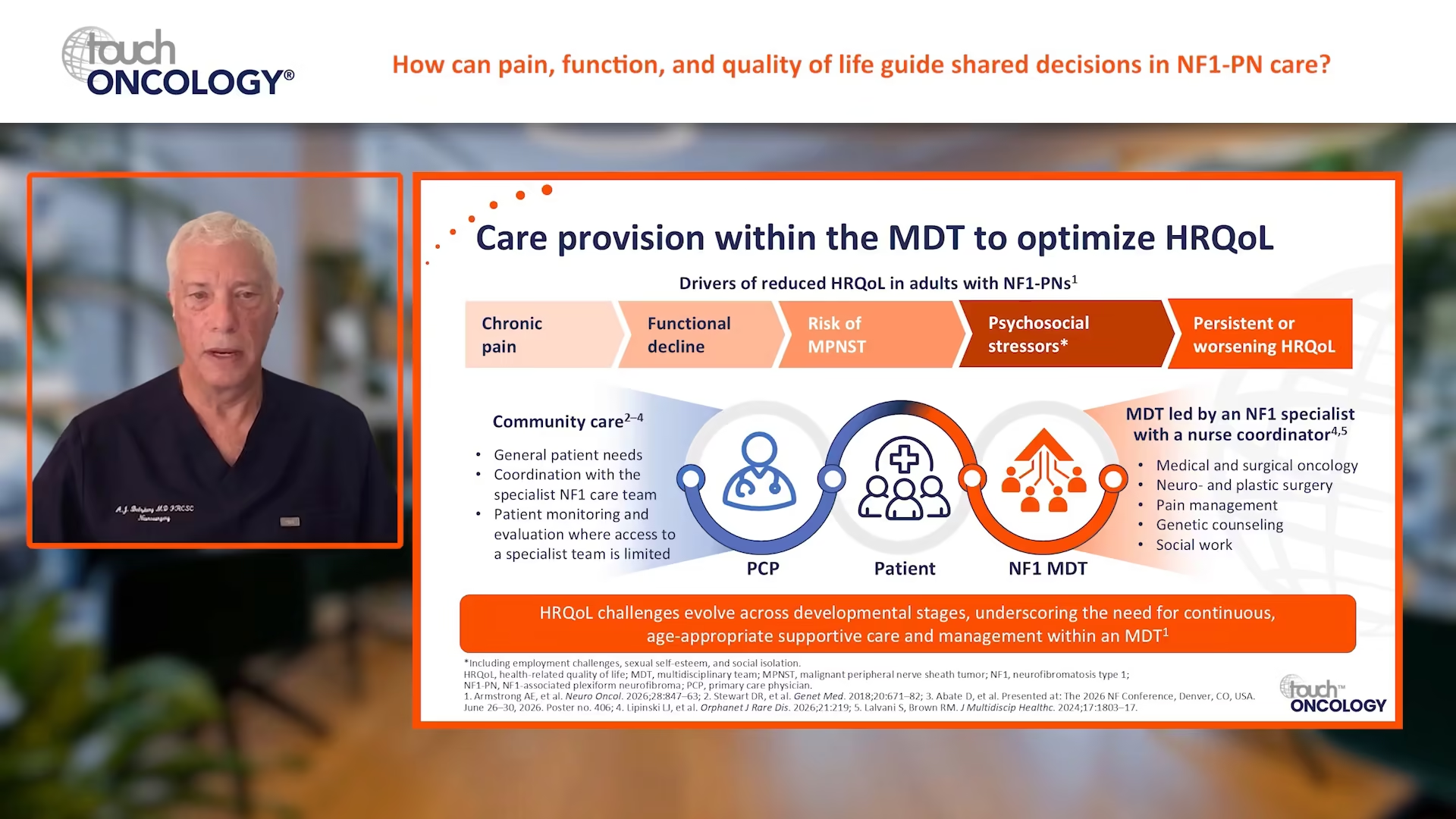
How can pain, function and quality of life guide shared decisions in NF1-PN care?

View Chapters
Expert discussion of using pain, function and quality of life to establish patient-centered goals and guide NF1-PN care
A neurosurgeon and an oncologist discuss shared decision-making, multidisciplinary care, and coordination with community providers

Activity Modules
Close

Introduction

Duration: 2:40

Which tools do you routinely use to capture pain, function, and health‑related quality of life in adults with NF1‑PN, and what do you see as their strengths and limitations in informing treatment and management decisions?

Duration: 3:34

Who should be involved in the multidisciplinary care of adults with NF1‑PN, and how does the structure and function of the MDT differ from that in pediatric care?

Duration: 4:44

What barriers exist to delivering optimal care for adults with NF1‑PN in community settings vs specialized NF centers, and what practical steps can clinicians take to address these gaps?

Duration: 1:41
Activity 1

Management of neurofibromatosis: Optimizing treatment and care from childhood to adult life3

Learning Objectives
Launched Jan 07, 25
35 mins
3 Modules

Management of neurofibromatosis: Optimizing treatment and care from childhood to adult life

View Modules

Three experts share insights into the treatment and care of patients with NF1 from childhood to adulthood.

Activity Modules

Close

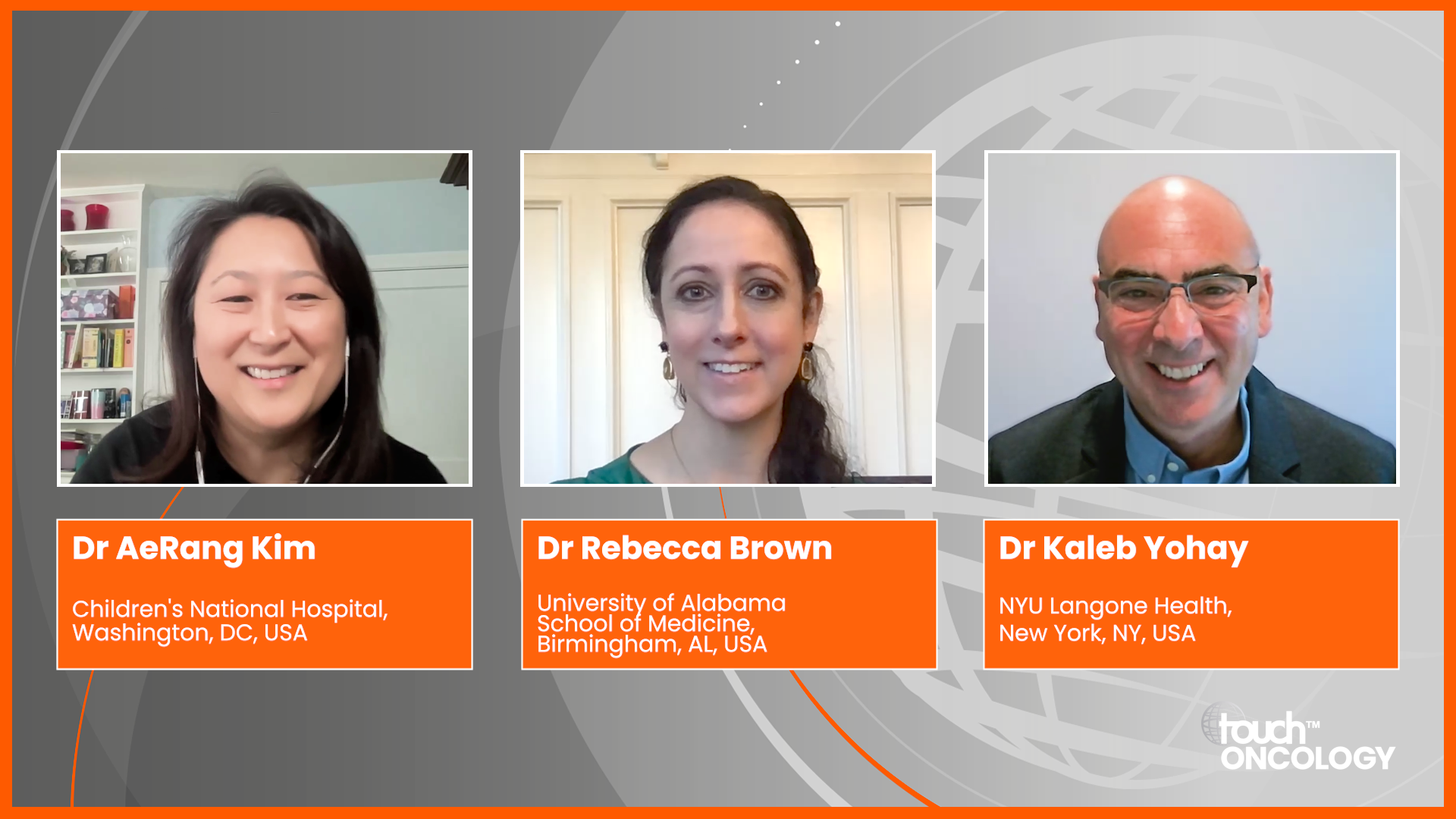
Navigating treatment options for NF1 in paediatric patients with Dr AeRang Kim

Duration: 12:32

Optimal care for adult patients with NF1 with Dr Rebecca Brown

Duration: 11:25

Best practices for continuity of care for patients with NF1 from childhood to adulthood with Dr Kaleb Yohay

Duration: 12:06
Activity 2

Management of NF1-related PNs: Approaches for delivering state-of-the-art care

Launched Sep 30, 26
Activity 1

Management of neurofibromatosis: Optimizing treatment and care from childhood to adult life3

Launched Jan 07, 25

Expert Faculty5

Learn directly from experts in the field of Neuro-oncology and Rare Diseases

Dr AeRang Kim

Children's National Hospital, Washington, DC, USA
Close Popup

Dr AeRang Kim

Children's National Hospital, Washington, DC, USA

Biography

Dr. Angela Hirbe

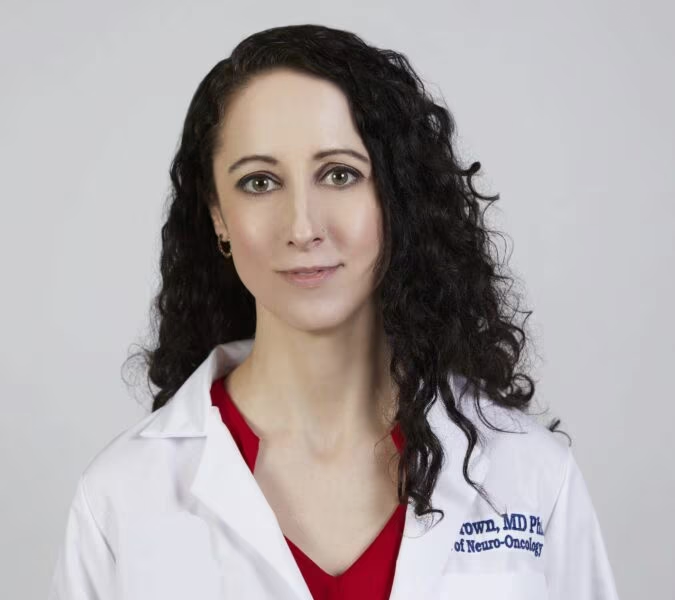
Dr Rebecca Brown

Dr Rebecca Brown

University of Alabama School of Medicine, Birmingham, AL, USA
Close Popup

Dr Rebecca Brown

University of Alabama School of Medicine, Birmingham, AL, USA

Biography

Dr AeRang Kim

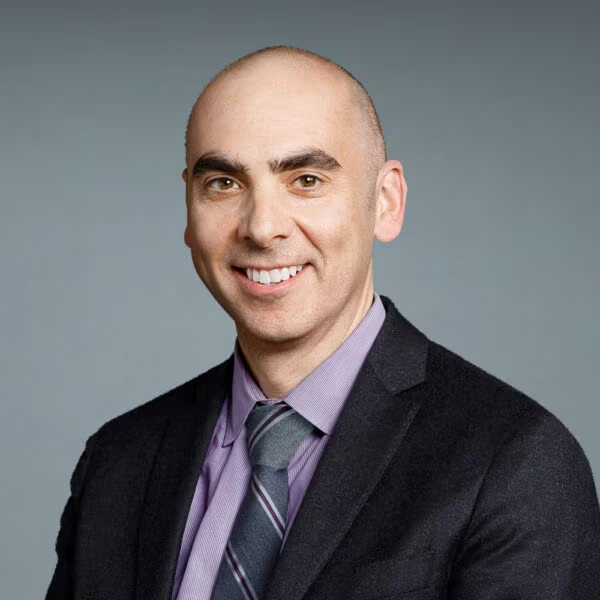
Dr Kaleb Yohay

Dr Kaleb Yohay

NYU Langone Health, New York, NY, USA
Close Popup

Dr Kaleb Yohay

NYU Langone Health, New York, NY, USA

Biography

Dr Rebecca Brown

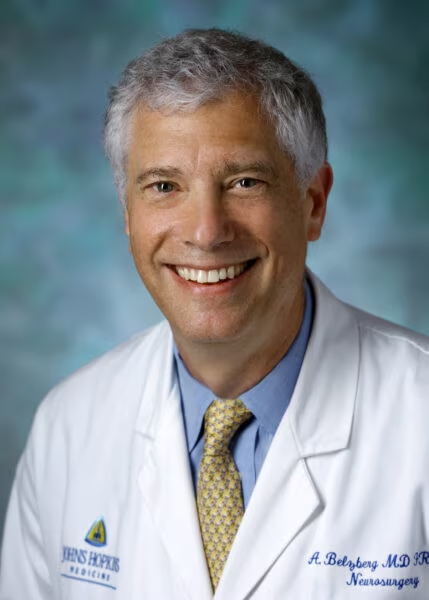
Prof. Allan Belzberg

Prof. Allan Belzberg

Johns Hopkins Medicine, Baltimore, MD, USA
Close Popup

Prof. Allan Belzberg

Johns Hopkins Medicine, Baltimore, MD, USA

Biography

Dr Kaleb Yohay

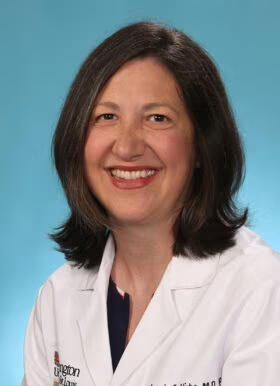
Dr. Angela Hirbe

Dr. Angela Hirbe

Washington University, St Louis, MO, USA
Close Popup

Dr. Angela Hirbe

Washington University, St Louis, MO, USA

Biography

Prof. Allan Belzberg

Dr AeRang Kim

touchONCOLOGY touchONCOLOGY

Register now for FREE access to

  • 1000+ topical and insightful peer-reviewed journal articles
  • 100+ hours of bite-sized congress highlights
  • 10 major therapy areas packed with the latest scientific advances
  • 150+ specialties offering learn-on-the-go medical education
  • Concise email updates and newsletters so you never miss out

Independent medical education grants from Alexion and SpringWorks Therapeutics, Inc.

These activities are jointly provided by USF Health and touchIME.

touchIME is an EBAC® accredited provider.

Close Popup

What You'll Learn

After completing this Program, you'll be better able to:
Select Activity...
View All
Activity 1
Activity 2
Activity 1

Management of neurofibromatosis: Optimizing treatment and care from childhood to adult life

Learning Objective 1

Formulate strategies to maximize outcomes and quality of life for patients with neurofibromatosis type 1 across all stages of life

Start Now
Learning Objective 2

Apply evidence-based practice to the management of neurofibromatosis type 1 and the treatment of plexiform neurofibromas in children and adults

Start Now
Learning Objective 3

Plan a coordinated transition from paediatric to adult healthcare for patients with neurofibromatosis type 1

Start Now
Activity 2

Management of NF1-related PNs: Approaches for delivering state-of-the-art care

Learning Objective 1

Explain the benefits and risks of systemic and targeted therapies based on the latest evidence for adults with NF1-PN within a multimodal care pathway

Start Now
Learning Objective 2

Describe approaches for monitoring response and managing adverse effects in adults receiving systemic or targeted treatment for NF1-PN

Start Now
Learning Objective 3

Evaluate pain, functional and quality-of-life outcomes to inform shared decision-making and multidisciplinary care plans for adults with NF1-PN

Start Now