
The 2025 American Neurological Association (ANA) Annual Meeting provided a valuable platform for discussion of immunotherapy strategies in central nervous system (CNS) tumours. The meeting emphasized cross-disciplinary collaboration across neurology, oncology and immunology, offering opportunities for neurologists, oncologists and basic scientists to exchange insights. This collaboration will be essential to advance treatments for CNS tumours, which remain among the most challenging cancers to treat.
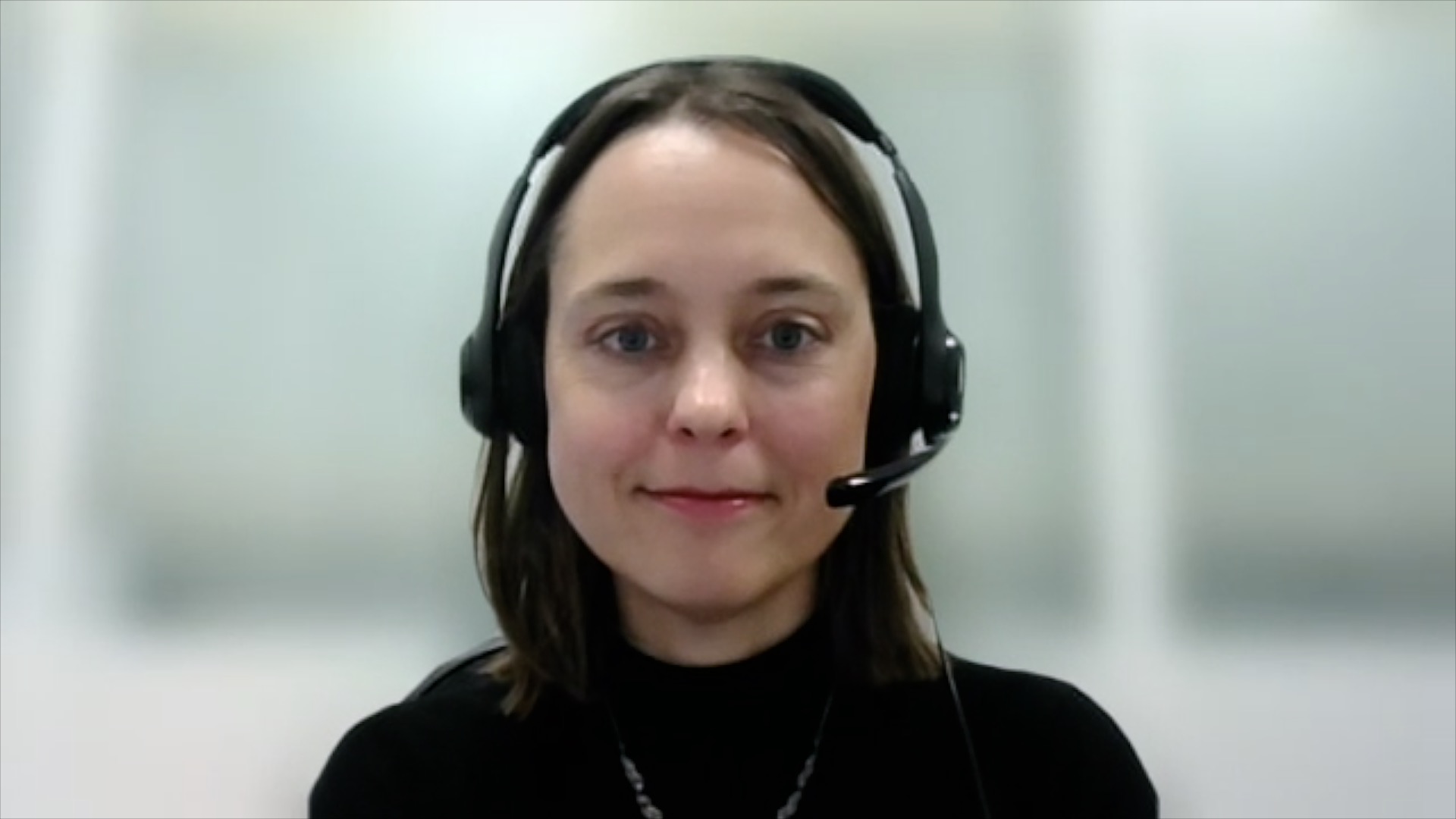
touchONCOLOGY Editorial Board member Dr Rimas Lukas (Vice Chair of Neurology, Northwestern University, Chicago, IL, USA) highlights the key presentations and ongoing research aimed at harnessing the immune system to target these challenging tumours. ANA 2025 featured a dedicated neuro-oncology session co-chaired by Prof Eric T Wong (Harvard Medical School, Boston, MA, USA) and Prof Adilia Hormigo (Montefiore Einstein, Bronx, New York, NY, USA). Hot topics included: emerging immunotherapeutic strategies such as immune checkpoint inhibitors, patient-derived vaccines, and innovative approaches leveraging the cGAS–STING pathway, tumour treating fields and focused ultrasound.
Immunotherapy in pediatric medulloblastoma
Dr Allison M. Martin (Montefiore Einstein, Bronx, New York, NY, USA) presented her group’s work on immunotherapy for medulloblastoma – a primary CNS tumour that arises in the cerebellum and can disseminate through the cerebrospinal fluid. Although genomic profiling now divides medulloblastoma into several molecular subtypes, treatment remains largely uniform: combining surgery, radiation and chemotherapy. Dr Martins’ team explored immune checkpoint inhibition as a novel strategy. Medulloblastomas appear to have a relatively favourable immune microenvironment, characterized by T-cell–dominant infiltration rather than an immunosuppressive macrophage signature seen in many other brain tumours. This immune landscape may make checkpoint inhibitors a more viable therapeutic option. While data are early, this line of investigation suggests a potential future direction for pediatric CNS tumour therapy.
Novel vaccine approaches for glioblastoma
Also from Montefiore Einstein, Prof Adilia Hormigo presented findings on a patient-derived glioblastoma vaccine. Such personalized vaccines face logistical challenges – including the time required to generate individualized formulations – but preliminary data from her team indicated feasibility and possible biological activity. Continued clinical evaluation will clarify whether this approach can meaningfully alter disease outcomes in glioblastoma, which remains among the most treatment-resistant brain cancers.
Targeting the cGAS–STING pathway at Northwestern
Our group at Northwestern University, Chicago, IL, USA is investigating several therapeutic strategies designed to leverage the cGAS–STING pathway, an intrinsic immune signaling cascade that activates interferon responses and promotes antitumour immunity.
One key area of research involves WP1066, a STAT3 inhibitor that blocks a major suppressive regulator of this pathway. The agent is currently in a phase II trial for patients with newly diagnosed, MGMT-unmethylated glioblastoma – those least likely to benefit from standard temozolomide. The study includes both surgical and non-surgical cohorts, with WP1066 given alongside radiation and subsequently as monotherapy.
A second area involves development of a direct STING agonist. Preclinical studies in canine models of spontaneous glioblastoma have shown encouraging tumour shrinkage and immune activation. This work is moving toward first-in-human testing and represents an important translational step for the field.
Focused ultrasound to enhance immunotherapy in glioblastoma
A third avenue under investigation combines low-dose doxorubicin with dual checkpoint blockade targeting CTLA-4 and PD-1. Doxorubicin, in sub-cytotoxic doses, can activate the cGAS–STING pathway through mitochondrial DNA release. This combination is being studied alongside focused ultrasound delivered via the SonoCloud platform, which transiently opens the blood–brain barrier to enhance drug delivery and immune-cell trafficking. The ongoing clinical trial is evaluating this multimodal regimen in newly-diagnosed glioblastoma.
Tumour treating fields and immune checkpoint inhibition
Another active area of research involves combining tumour treating fields (TTFields) with immune checkpoint inhibitors. TTFields are FDA-approved for both newly-diagnosed and recurrent glioblastoma, traditionally viewed as antimitotic therapy. Recent work suggests TTFields also activate the cGAS–STING pathway, potentially augmenting immune signaling. A phase III trial is underway to determine whether this combination improves patient outcomes.
Disclosure: Rimas Lukas is a consultant for Merck and Novocure. He has received grant/research support from BMS and is a member of the advisory board for Merck and Novocure. He has received honoraria/honorarium from EBSCO, Elsevier and Medlink Neurology. He is a Speaker’s Bureau participant with Merck and Novocure.
This content has been developed independently by Touch Medical Media for touchONCOLOGY. It is not affiliated with the American Neurological Association (ANA). Views expressed are the speaker’s own and do not necessarily reflect the views of Touch Medical Media.
Related content
- #ASCO25: Key highlights in neuro-oncology: Focused ultrasound, resection and immunotherapy
- Welcome to our new Editorial Board members!
- Introducing the touchONCOLOGY Future Leaders 2025
Cite: ANA 2025: Emerging immunotherapies in neuro-oncology – what’s next for CNS tumours? touchONCOLOGY. October 21st, 2025