ESMO
The European Society for Medical Oncology (ESMO) Congress 2026 promises a compelling program of clinical data, spanning personalized cancer vaccines, next-generation antibody–drug conjugates (ADCs) and novel approaches to targeted therapy and immunotherapy. With several studies already generating excitement following positive topline announcements, all eyes will be on the full results and their potential implications for clinical practice. Below, we highlight the 12 presidential abstracts to watch, the key findings to look out for and the questions these studies could help answer.
Urothelial carcinoma (UC) is the 11th most common cancer in the UK, with approximately 11,000 new bladder cancer diagnoses annually.1 Globally, bladder cancer accounts for approximately 635,000 new diagnoses and 228,000 deaths annually, based on the latest GLOBOCAN estimates for 2024.2 Bladder cancer constitutes ...
Metastatic triple-negative breast cancer (mTNBC) is a clinically heterogeneous disease, but compared with other breast cancer subtypes, triple-negative breast cancer (TNBC) is generally associated with a poorer prognosis and has historically had limited therapeutic options.1 The 5-year survival rate remains ...

As EORTC enters a new chapter under the Presidency of Professor Benjamin Besse (Gustave Roussy Institute and Paris-Saclay University, Villejuif, France), the organization is looking to accelerate academic research while keeping patients and scientific independence at its core. In this detailed and in-depth Q&A, Prof Besse shares his priorities for EORTC, from supporting the next generation of investigators and broadening clinical trial populations, to giving greater weight to quality of life and patient perspectives. He also considers how emerging technologies, including artificial intelligence, could reshape the way cancer research is conducted.
Circulating tumor DNA (ctDNA) has emerged as an innovative and minimally invasive tool in precision oncology. With a short half-life of 30–120 min, ctDNA provides real-time insight into tumor dynamics.1 In early-stage breast cancer, there is growing evidence supporting its potential ...

At AAN 2026, Dr Jigisha Thakkar presented data challenging long-standing assumptions of continuous tumor growth and suggesting that some patients may benefit from more individualized surveillance and treatment strategies. In this Q&A, Dr Thakkar discusses how intermittent dormancy in IDH-mutant gliomas may influence clinical decision-making, from MRI surveillance intervals to the timing of therapeutic intervention.

At the 7th SIOP Europe Annual Meeting, the Projects in Spotlight sessions showcased the collaborative initiatives between SIOP Europe and key stakeholders. From innovation, rare malignancies and psychosocial support to survivorship, these projects aim to improve outcomes, coordination between research and clinical care, reduce inequalities, and strengthen patient-centred care across Europe. Scroll down for a snapshot of each project and click on the headings to find out more.

Congress coverage | This May, experts from around the world gathered in Glasgow, Scotland for the the 7th SIOP Europe Annual Meeting. This year celebrated the importance of collaboration, bringing together the diverse stakeholders involved in facing children and adolescents with cancer, and ensuring all voices were heard. The Annual Meeting was held in partnership with CCI Europe, ensuring the representation and participation of childhood cancer parents and survivors.

Ahead of European Cancer Nursing Day 2026 (ECND26), Stavroula Chante (Macmillan Lead Cancer Nurse, The Royal Wolverhampton NHS Trust) discusses the growing importance of cancer nurses in survivorship care, personalised medicine and multidisciplinary oncology teams. Speaking about this year’s theme, 'Supporting Life Beyond Cancer', she highlights the increasing demands facing the oncology nursing workforce across Europe, the need for greater recognition and investment, and why supporting nurses is essential to improving patient outcomes and quality of life.

The 38th Annual Congress of the European Association of Nuclear Medicine (EANM) in Barcelona brought together over 9,400 participants, marking a major milestone. The meeting highlighted major advances in oncologic imaging and theranostics, with a strong emphasis on precision medicine and combination treatment strategies. Across plenary sessions, debates, and late-breaking discussions, the meeting underscored how nuclear medicine is increasingly central to cancer diagnosis, treatment selection, and therapeutic delivery.
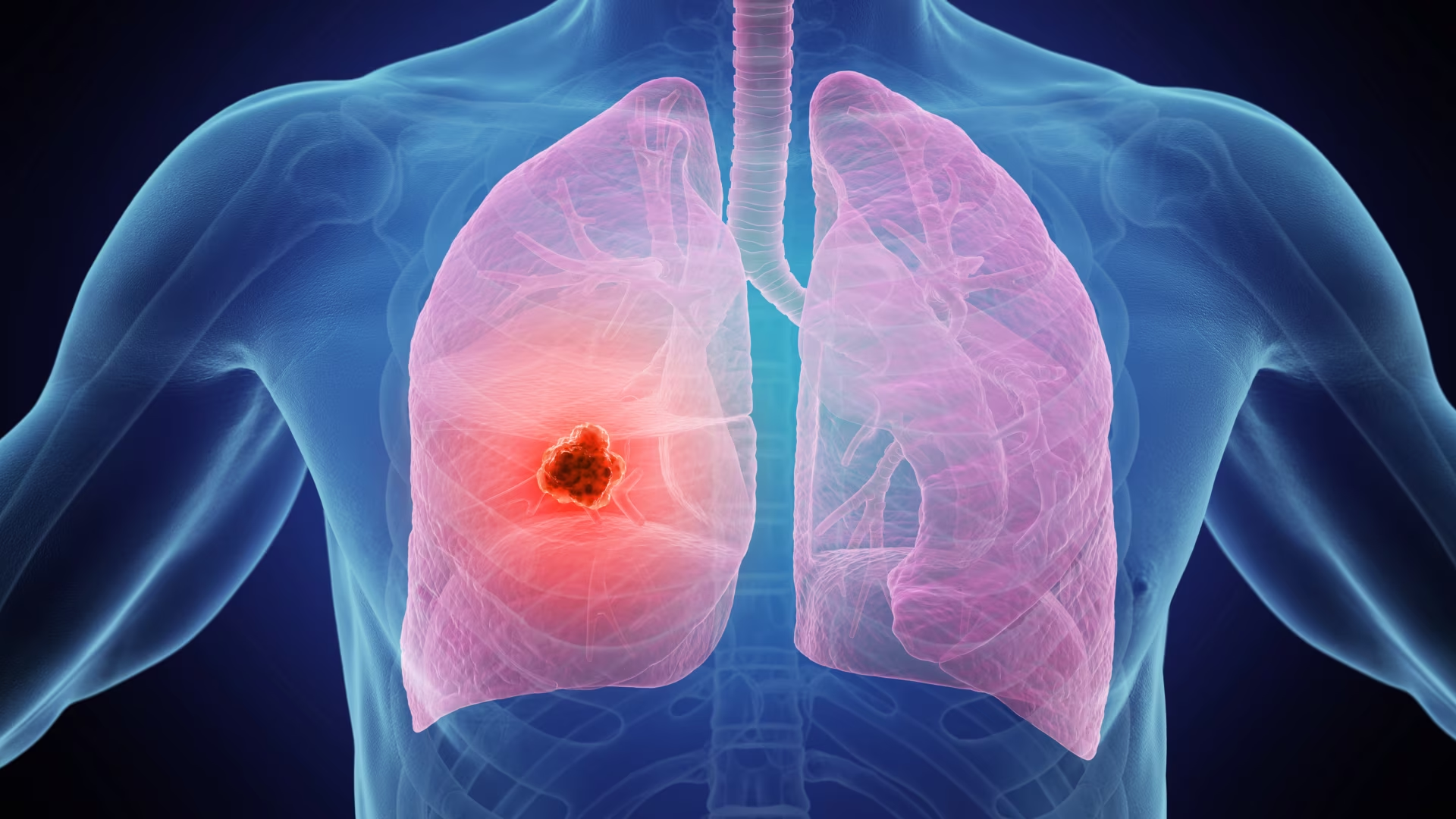
Non-small cell lung cancer (NSCLC) remains the leading cause of cancer-related mortality worldwide.1 Over the past two decades, the molecular characterization of NSCLC has transformed the therapeutic landscape by enabling the development of targeted therapies that have significantly improved outcomes ...

As 2025 draws to a close, we’re celebrating another remarkable year of growth, collaboration and innovation at touchONCOLOGY. From thought-provoking expert interviews and peer-reviewed research to dynamic conference coverage and an expanding portfolio of medical education, this year has been defined by meaningful conversations and impactful learning. We’ve had the privilege of engaging with leading clinicians, researchers and partner societies across the globe - bringing together diverse voices to support the oncology community with timely, accessible and authoritative content. As we reflect on the past 12 months, we’re proud to highlight the moments, milestones and stories that shaped our year.
The European Society for Medical Oncology (ESMO) 2025 congress brought over 100 late-breaking abstracts, 250 sessions, 600 expert speakers and 33,800 delegates to Berlin in October. The meeting highlighted innovations ranging from novel agents to real-world evidence and patient-centred care. In this article, hear from the experts on the key breakthroughs and clinical insights set to shape the future of oncology practice.
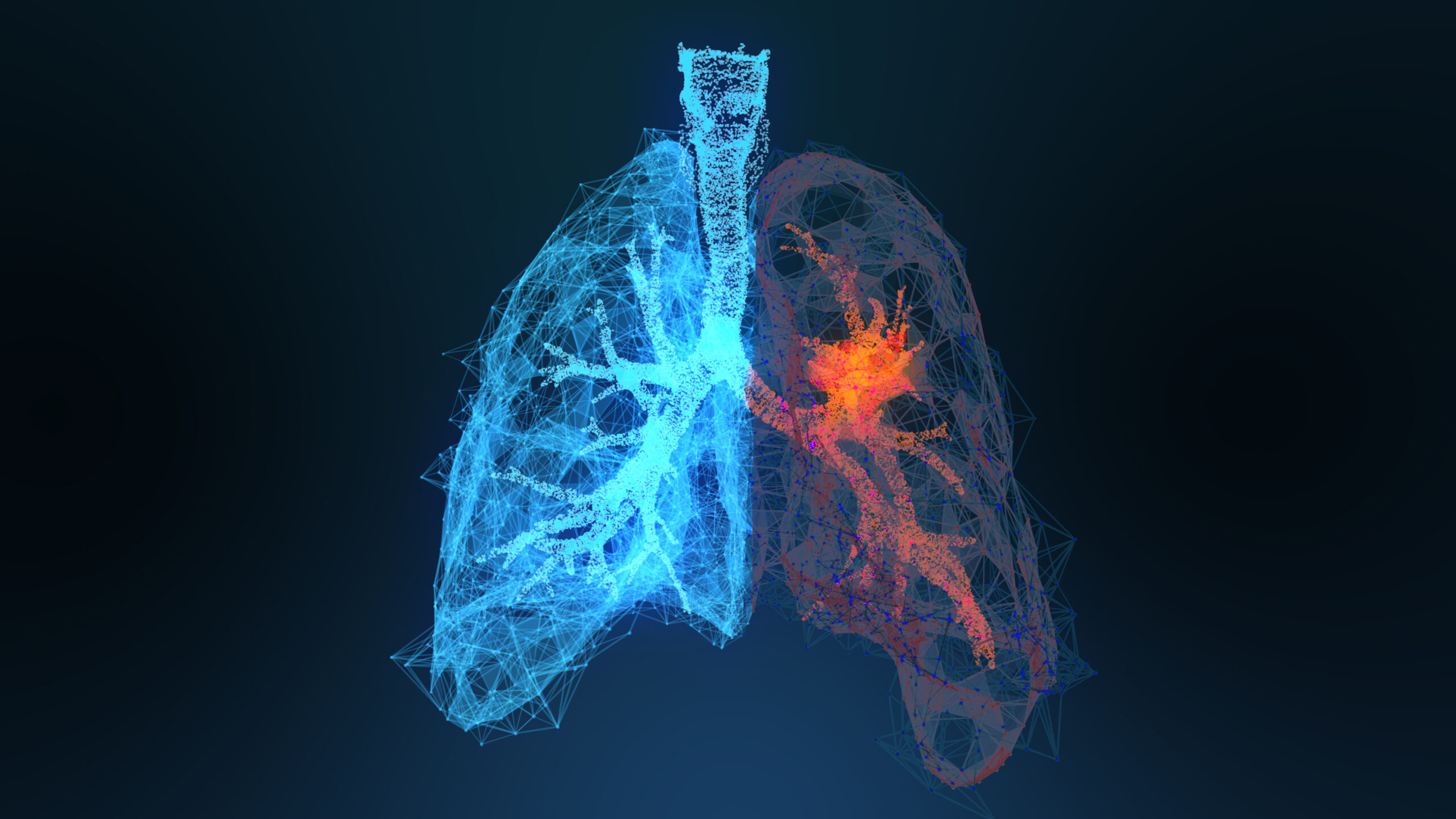
At this year’s ESMO 2025 lung-cancer programme, several large phase II/III studies delivered practice-shaking results across EGFR-mutant, squamous, small-cell and ALK-positive disease. From upfront osimertinib plus chemo to antibody-drug conjugates in chemo-resistant EGFR-mutant disease and adjuvant ALK inhibition, here are the six landmark abstracts clinicians and researchers need to know — and what they could mean for the clinic.

The European Society for Medical Oncology (ESMO) 2025 congress brought over 100 late-breaking abstracts, 250 sessions, 600 expert speakers and 33,800 delegates to Berlin in October. The meeting highlighted innovations ranging from novel agents to real-world evidence and patient-centred care. In this article, hear from the experts on the key breakthroughs and clinical insights set to shape the future of oncology practice.
From breakthrough perioperative regimens to biomarker-driven precision therapy, ESMO 2025 unveiled practice-changing data in bladder cancer. Landmark trials like KEYNOTE-905, IMvigor011, and BladderPath are redefining standards across disease stages—offering new hope for cisplatin-ineligible patients, guiding adjuvant decisions through ctDNA, and streamlining diagnostics with MRI.
In this interview, we speak with Prof. Domenica Lorusso (Humanitas Hospital San Pio X, Humanitas University, Rozzano, Milan) about the latest ROSELLA findings, their implications for clinical practice, the next steps in this research and other key data presented at this year’s meeting.
Fresh data from the ESMO 2025 Congress reveal major shifts in prostate and kidney cancer treatment. From radioligand therapy entering first-line prostate cancer to the first targeted AKT strategy in PTEN-deficient disease, and new benchmarks in RCC with LenCabo and RAMPART, the landscape is rapidly evolving.

 touchONCOLOGY
Register Now!
Explore the latest in medical education and stay current in your field. Create a free account to track your learning.
- Save your progress for video
- Keep track of your CME credits
- Add personalised learning notes
- Receive updates from course leaders and faculty
- Be the first to hear about new and exciting interactive learning opportunities
Log into your Touch Account
Keep track of your clinical interests and newsletter subscriptions.
Sign up with an Email
Or use a .
Register now for FREE access
Already registered? Login below.