News insights into understanding patient and caregiver preferences help deliver more personalized glioblastoma care

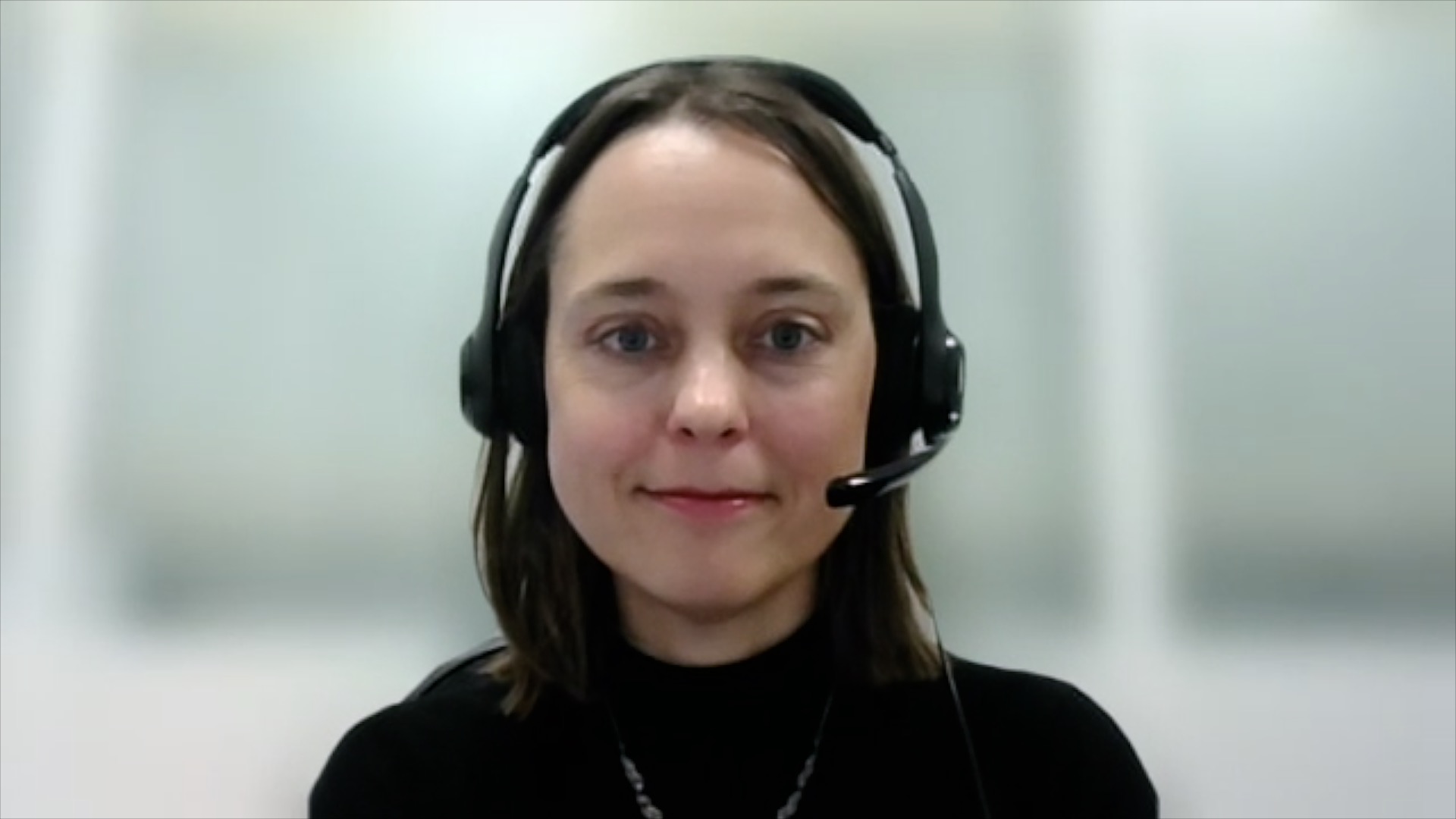
At the American Academy of Neurology 2026 Annual Meeting, Dr Jigisha Thakkar presented data from her abstract ‘Analyzing Cultural Preferences to Improve Patient Satisfaction in Neuro-oncologic Care‘. Glioblastoma (GBM) places an enormous emotional and practical burden on both patients and caregivers. Dr Jigisha Thakkar et al. explored how cultural and ethnic differences influence preferences for communication and care delivery in neuro-oncology settings. By surveying GBM patients and caregivers treated between 2021 and 2024, the team aimed to identify approaches that could improve patient satisfaction, strengthen the patient-provider relationship, and reduce caregiver strain. In the Q&A below, Dr Thakkar discusses the key takeaways from her study, and how these findings could help shape more individualized approaches to neuro-oncologic care.
touchONCOLOGY coverage of AAN 2026
Why is the caregiver so significant for those caring for glioblastoma patients?
Glioblastoma is an aggressive brain tumor that can cause seizures, weakness, cognitive decline, and personality changes, leaving many patients highly dependent on caregivers. Families often manage medications, appointments, symptom monitoring, and emotional support while coping with an unpredictable disease course. GBM creates unique challenges because neurological symptoms can rapidly affect a patient’s independence and communication. Despite this, outpatient neuro-oncology settings still lack structured policies and resources specifically focused on caregiver support. This can lead to early caregiver burnout, which may ultimately affect treatment continuity and patient outcomes.
What were the key differences you observed across ethnic groups in preferences for communication?
Our study showed that communication preferences vary significantly across cultural and ethnic groups. Asian and Hispanic patients and caregivers more often preferred a family-centered approach, where relatives play a major role in discussions and decision-making. In contrast, Caucasian and African American patients more commonly favored a patient-autonomy model focused on individual decision-making. We also found that Caucasian patients generally requested more detailed explanations about their disease, including MRI reviews and in-depth discussions about prognosis. These findings highlight the importance of tailoring communication to each patient’s preferences, as too much information can sometimes increase anxiety without improving outcomes.
How do you see these findings translating into changes in outpatient neuro-oncology practice or policy to improve patient and caregiver satisfaction?
These findings emphasize the importance of personalized, culturally sensitive care in neuro-oncology. Understanding how patients and families prefer to receive information and make decisions should become part of the initial consultation process. Simple questions about communication style, family involvement, and desired level of detail can help providers build trust and improve patient satisfaction. Taking these preferences into account may also reduce caregiver stress and strengthen the overall patient-provider relationship. In the future, we hope this research supports the development of outpatient neuro-oncology guidelines and caregiver resources that better address the cultural and emotional needs of diverse patient populations.
This content has been developed independently by Touch Medical Media for touchONCOLOGY in collaboration with Dr Jigisha Thakkar. Views expressed are the speaker’s own and do not necessarily reflect the views of Touch Medical Media.
Disclosure: Dr Jigisha Thakkar has no financial or non-financial conflicts of interest to declare in relation to this interview.
Cite: Personalizing glioblastoma care through cultural understanding. touchONCOLOGY. 11 June 2026.
Editor: Sophie Nickelson, Editorial Director
Already registered? Login below.