Open Nav
Open Nav

Check your Inbox
We've sent your certificate

Thank you
for your Feedback!
Activity Overview
Faculty & Disclosures
Activity Overview
Faculty & Disclosures

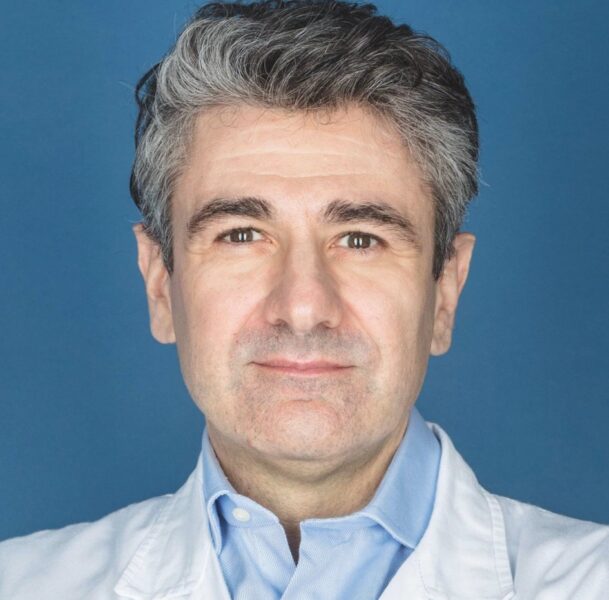
Prof. Giampaolo Bianchini
Vita-Salute San Raffaele University, Milan
Biography
Professor Giampaolo Bianchini is Head of Breast Oncology in the Department of Medical Oncology at IRCCS Ospedale San Raffaele and Associate Professor at Vita-Salute San Raffaele University in Italy. Professor Bianchini manages and treats patients with early-stage and metastatic breast cancer and is internationally recognised as an opinion leader in the field of breast cancer. He has a strong interest in the development of new therapies and immunotherapeutic approaches for the treatment of this disease. Professor Bianchini is also responsible for the translational clinical research and immunotherapy group within the Department of Medical Oncology and is involved in numerous research projects dedicated to women with breast cancer. These research projects are aim to understand the mechanisms of response and resistance to available drugs, identify new therapeutic strategies and define useful biomarkers for improving the personalisation of treatments. Professor Bianchini has authored numerous publications in international journals including Nature, The Lancet, Annals of Oncology, The Lancet Oncology, Journal of Clinical Oncology, Nature Medicine, Nature Reviews Clinical Oncology.
Disclosures
Consultancy fees from AstraZeneca, Daiichi Sankyo, Eli Lilly, Gilead, Menarini, MSD, Novartis, Roche, Seagen, and Tethis. Honoraria and/or advisory board fees from AstraZeneca, Daiichi Sankyo, EISAI, Eli Lilly, Exact Sciences, Gilead, Helsinn, Menarini, MSD, Novartis, Pfizer, Roche, and Seagen. Support for attending meetings and/or travel from AstraZeneca, Daiichi Sankyo, Eli Lilly, MSD, Novartis, Pfizer, Roche and Takeda. Institutional funding via a research grant from Gilead.
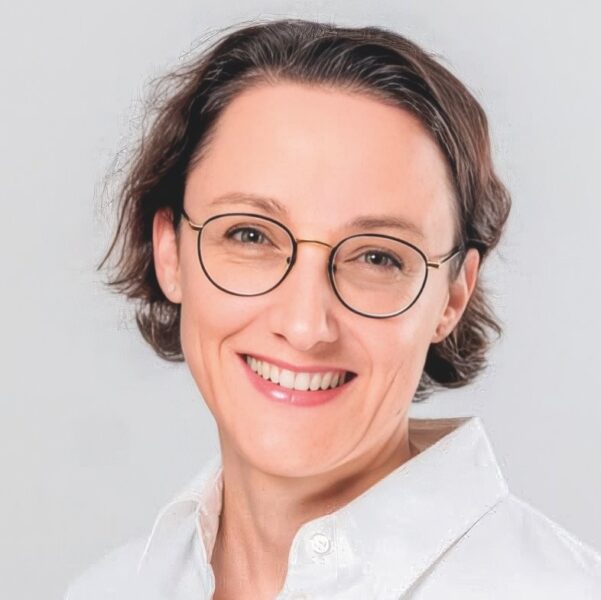
Dr Mattea Reinisch
Prof. Shani Paluch-Shimon

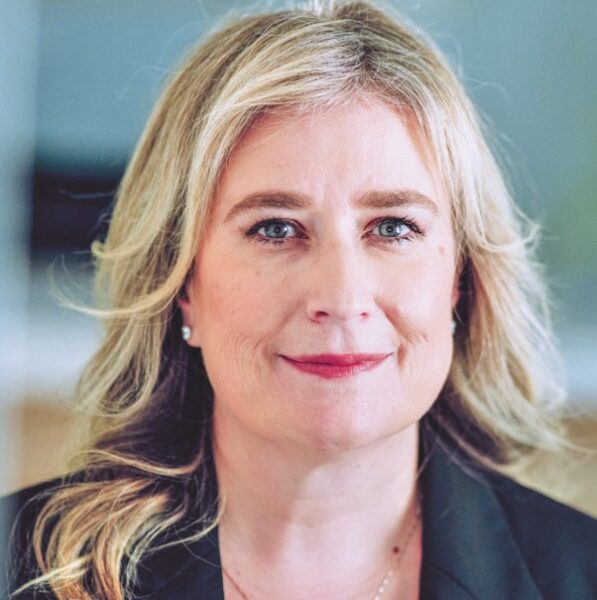
Prof. Shani Paluch-Shimon
Hadassah-Hebrew University Medical Center, Jerusalem
Biography
Professor Shani Paluch-Shimon, MBBS, MSc, is a medical oncologist at the Hadassah University Hospital in Jerusalem, Israel. Her research focuses on young women with breast cancer, hereditary breast cancer and health care disparities among culturally diverse populations in Israel, and she established the first clinical service for young women with breast cancer in Israel. Professor Paluch-Shimon was Chair of the Breast Cancer in Young Women international conference, lead author on guidelines for the treatment of young women with breast cancer, and served three terms as subject editor for breast cancer in the European Society of Oncology (ESMO) clinical practice guidelines committee. She has been lead author on screening and prevention guidelines for women with hereditary breast and ovarian cancer syndrome and is a member of the Advanced Breast Cancer Global Alliance consensus panel. Currently, her research focus is on bridging the healthcare gap for culturally and ethnically disadvantaged groups with breast cancer.
Disclosures
Speakers bureau from AstraZeneca, Exact Sciences/Rhenium, Gilead, Lilly, Medison, MSD, Novartis, Pfizer, and Roche. Honoraria from AstraZeneca, Exact Sciences/Rhenium, Lilly, MSD, Novartis, Pfizer, and Roche. Consultancy fees from AstraZeneca, Gilead, Lilly, MSD, Novartis, Pfizer, Roche, Stemline and Summit therapeutics. Travel fees from Roche.
Prof. Giampaolo Bianchini
Dr Mattea Reinisch

Dr Mattea Reinisch
University Medical Centre Mannheim, Mannheim
Biography
Dr Mattea Reinisch, MD, PhD, is Head of the Breast Unit at the University Medical Center Mannheim in Germany. She is an active member of the adjuvant and neoadjuvant Subboard of the German Breast Group, as well as a member at the European Society of Medical Oncology (ESMO), German Society for Ultrasound in Medicine (DEGUM) and the German Cancer Society (DKG). Among others, she is author of various major publications about male breast cancer and deescalating strategies on the axillary surgery. Dr Reinisch has been principal investigator for more than 20 multicentre Phase 2 and 3 clinical trials. She is working on finding strategies to improve study recruitments into clinical trials in Germany, and is co-founder of the locoregional study network west-go-breast.de. Her research has been acknowledged by national and international committees.
Disclosures
Honoraria and/or consultancy fees from AstraZeneca, Böhringer Ingelheim, Daiichi Sankyo, Gilead, Lilly, MSD, Novartis, OnkowissenTV, Pfizer, Roche, Seagen, Somatex, Streamed Up, Wolters Kluwer and Wiley. Travel support from AstraZeneca, Daiichi Sankyo, Gilead, Lilly, Novartis, Pfizer and Roche.
Prof. Shani Paluch-Shimon
Prof. Giampaolo Bianchini
touchMEETING HIGHLIGHTS
This content is intended for healthcare professionals only who are based outside of the US.
Please confirm that you are a healthcare professional outside of the US.

This activity is sponsored by Exact Sciences is now Abbott.
Exact Sciences is now Abbott provided financial support and symposium video content, and has had input into the detailed project scope. This activity is provided by touchMEDICAL for touchONCOLOGY.
Close Popup
Could not verify Country/IP Address.
We were unable to verify your IP address, please try again later. If you are using a method to hide your IP address, such as a VPN or proxy, please disable this and try again.
This activity is sponsored by Exact Sciences is now Abbott.
Exact Sciences is now Abbott provided financial support and symposium video content, and has had input into the detailed project scope. This activity is provided by touchMEDICAL for touchONCOLOGY.

Unapproved products or unapproved uses of approved products may be discussed; these situations may reflect the approval status in one or more jurisdictions. touchMEDICAL has advised the sponsor to ensure that they disclose any such references made to unlabelled or unapproved use. No endorsement by touchMEDICAL of any unapproved products or unapproved uses is either made or implied by mention of these products or uses in touchMEDICAL activities. touchMEDICAL accepts no responsibility for errors or omissions.
The views and opinions expressed are those of the faculty and do not necessarily reflect those of any sponsor.
M-INT-IBC-01039
Date of preparation: July 2026
Log into your Touch Account
Keep track of your clinical interests and newsletter subscriptions.
Sign up with an Email
Or use a .
Register now for FREE access
Already registered? Login below.