How can Europe make cancer screening more effective and accessible?
Prof Thomas Seufferlein explores the need for better individual risk assessment, more targeted prevention strategies and stronger implementation of early diagnosis initiatives

Delivering more effective cancer prevention and early diagnosis across Europe requires more than the introduction of screening programmes. Improving access, strengthening follow-up diagnostic pathways and identifying individuals at increased risk are all essential to maximising their impact.
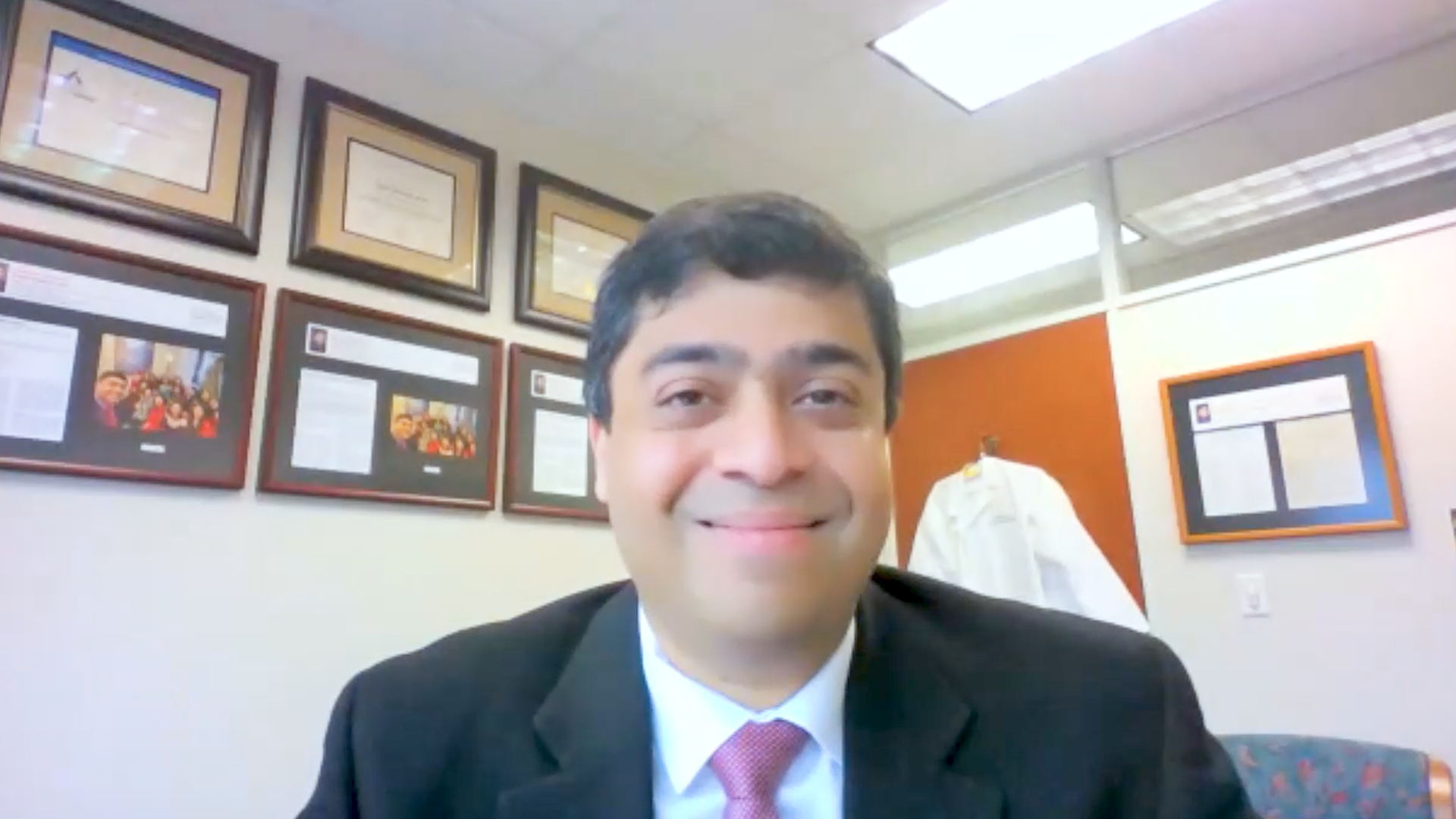
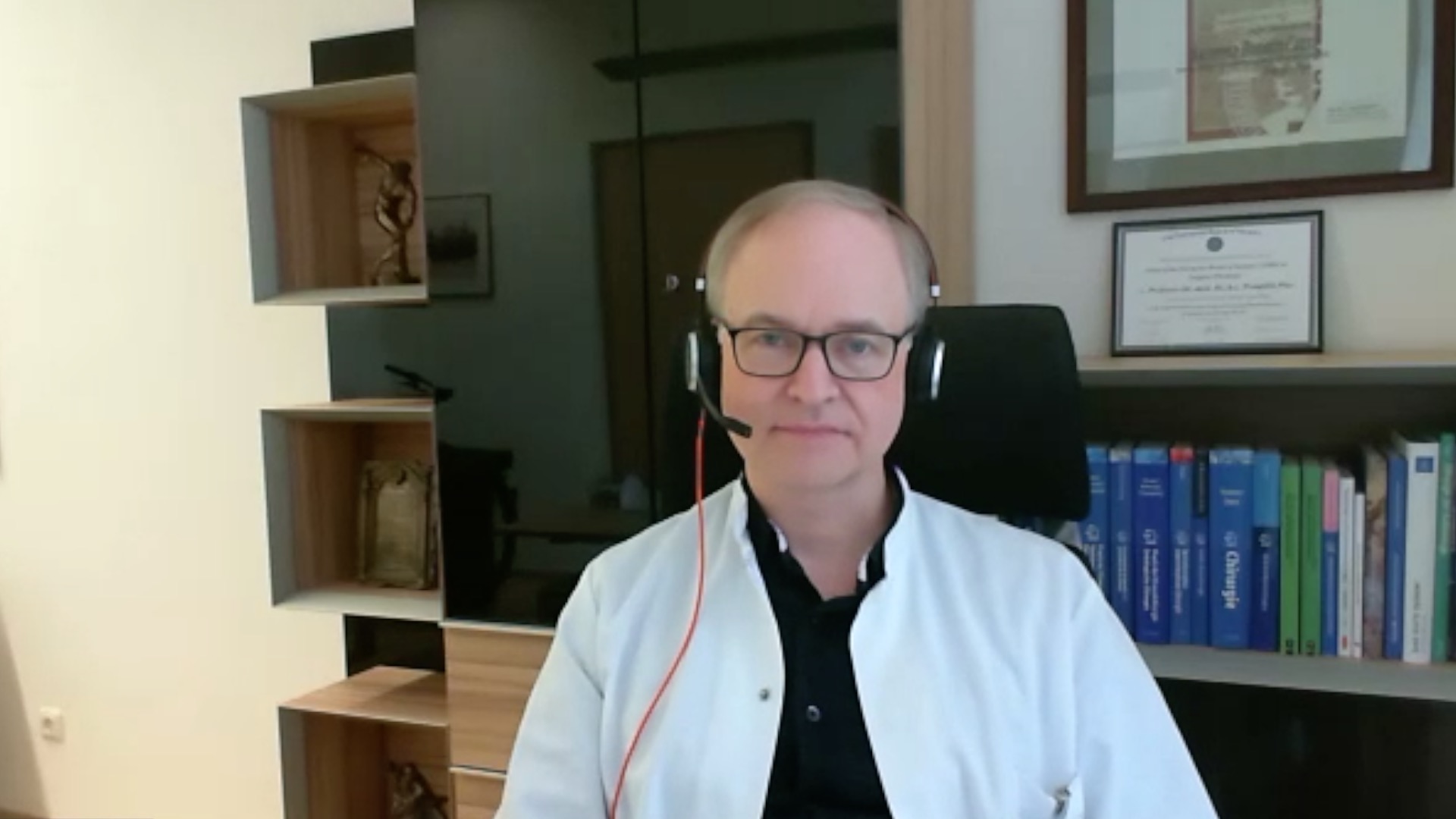
Speaking at the European Cancer Summit 2026, Prof Thomas Seufferlein (Co-Chair, Prevention, Early Detection and Screening Committee of the European Cancer Organisation and Professor of Gastroenterology at Ulm University, Germany), shares his perspectives on the future of cancer screening in Europe. He discusses how improved risk assessment, artificial intelligence and implementation research could help make prevention strategies more targeted and effective.
Transcript: First of all, I think we have achieved a great deal. We have Europe’s Beating Cancer Plan and screening programmes have been implemented across Europe. These programmes are already delivering positive results, which is encouraging. However, there is still considerable room for improvement. We have seen that access to screening remains a challenge in many European countries. Furthermore, even when someone receives a positive screening result, access to the necessary follow-up diagnostic investigations is not always guaranteed. In some countries, the associated costs can even be prohibitive for individuals.Q. What are the key messages from the session you chaired on ‘From Risk Reduction to Early Diagnosis: Reimagining Europe’s Cancer Prevention Pathway’, and what should the European cancer community take away from the discussions?
We therefore need to improve access, but also strengthen the follow-up process. We need to understand how many individuals with a positive screening result actually proceed to further diagnostic investigations. This is essential to ensure that cancers are detected at an early stage or, alternatively, that individuals are reassured that an initial positive result was a false positive. Ultimately, screening is only effective if we can ensure that people have access to the complete diagnostic pathway.
Q. How can better identification of individuals at increased risk of cancer help us move towards more targeted prevention and screening approaches?
I think this is one of the most important tasks we face in the future: improving individual risk assessment and making our screening programmes more targeted.
This is not simply about identifying traditionally recognised high-risk groups, such as individuals with BRCA mutations or those from the Lynch syndrome community. We also need to distinguish between individuals at higher and lower risk within the general population. This would allow us to tailor screening programmes more effectively to different risk groups.
As was also pointed out during the discussions at the European Cancer Summit 2026, screening will probably never be entirely personalised. However, we can certainly make it more targeted and effective. Artificial intelligence (AI) and other advanced technologies may help us identify these different risk groups more accurately.
Hopefully, this will also improve screening uptake. If I understand my individual risk and know that I would benefit from starting screening earlier or attending more frequently, that provides a different incentive to participate. Equally, if I know that my risk is low, I may not need to undergo screening as frequently. Potentially, longer intervals between screening appointments could be appropriate.
I think this will be extremely important, both in making screening programmes more efficient and in encouraging greater participation.
Q. What are the biggest barriers to improving early cancer diagnosis across Europe, and how can these be addressed?
First and foremost, we need to focus on implementation and implementation research. We need a much better understanding of which measures work, which do not and why. Importantly, the most effective approach may differ between European countries because populations, cultures and individual behaviours are not the same. We therefore need to understand what works best for each particular population.
Another major challenge, as we have already discussed, is risk assessment. We need to tailor screening programmes more effectively to the different risk profiles within populations. This would also allow us to make a stronger case for why particular prevention and screening measures are especially important for certain groups.
Ultimately, we need a more targeted approach: identifying the right measures for the right populations and, crucially, ensuring that these measures are implemented effectively. That is how we will make meaningful progress in improving early cancer diagnosis across Europe.
Note: This transcript has been lightly edited to ensure clarity.
Cite: Prof Thomas Seufferlein on strengthening Europe’s cancer prevention pathway. touchONCOLOGY. 26th November, 2026.
Interviewer: Caroline Markham
touchONCOLOGY coverage of the European Cancer Summit 2026. This content has been developed independently by Touch Medical Media for touchONCOLOGY. touchONCOLOGY was an official supporter of the European Cancer Summit 2026. Views expressed are the speaker’s own and do not necessarily reflect the views of Touch Medical Media.