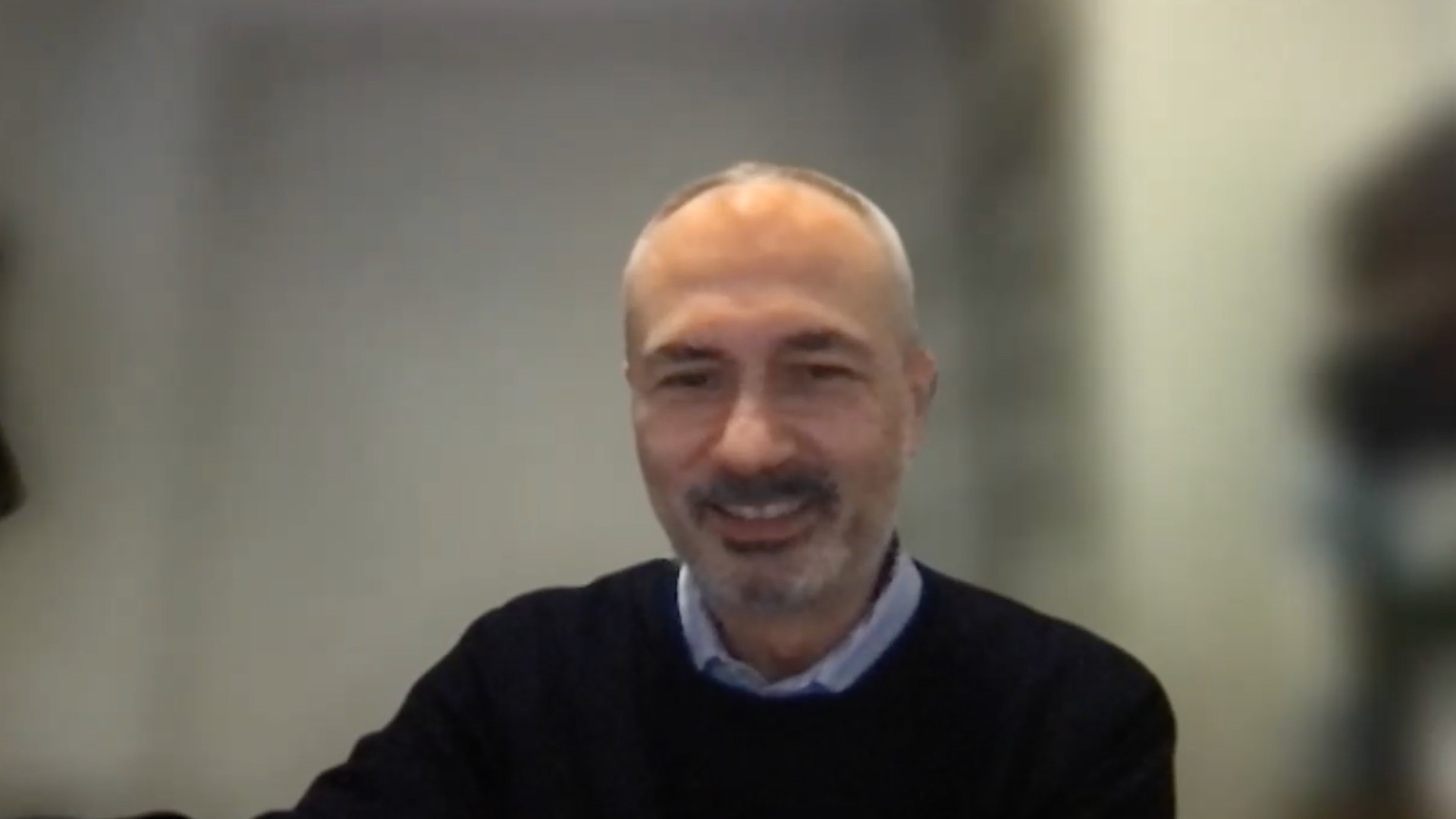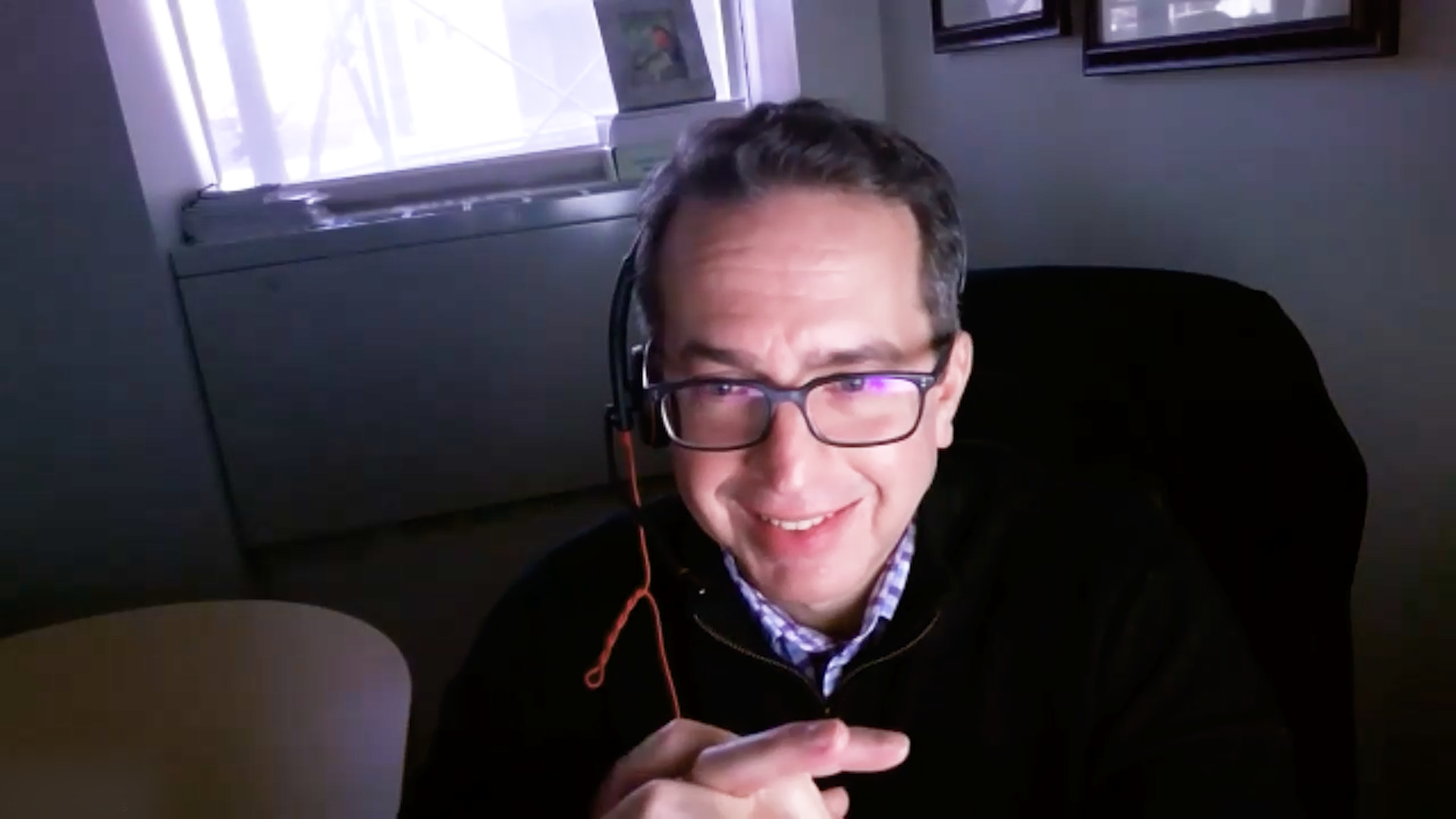
Tyrosine kinase inhibitors (TKIs) are the standard of care in the treatment of chronic myeloid leukaemia (CML). Asciminib is the first BCR::ABL1 inhibitor that functions by specifically targeting the ABL myristoyl pocket. In this touchONCOLOGY interview, we speak with Professor Massimo Breccia (University of Rome, Rome, Italy) to discuss the limitations of TKIs in the treatment of CML and the use of asciminib and its approval status.
The abstract entitled ‘ASC4OPT: A Phase 3b Open-Label Optimization Study of Oral Asciminib in Chronic Myelogenous Leukemia in Chronic Phase Previously Treated with 2 or More Tyrosine Kinase Inhibitors’ (Abstract #4334) was presented at ASH Annual Meeting, 10–13, December, 2022.
Questions:
- What are the limitations of tyrosine kinase inhibitors in the treatment of chronic myeloid leukaemia (CML)? (0:20)
- What is asciminib and in which CML patients is it indicated? (1:37)
Disclosures: Massimo Breccia has nothing to disclose in relation to this video interview.
Support: Interview and filming supported by Touch Medical Media. Interview conducted by Danielle Crosby.
Filmed as a highlight of ASH 2022
Access more content on Haematological Malignancies and Leukaemia