These activities are funded by:
An independent medical education grant from Coherus Oncology, Inc.
These activities are jointly provided by USF Health and touchIME.

Discover expert insights on the use of immune checkpoint inhibitors in the management of recurrent/metastatic nasopharyngeal carcinoma, including how treatment can be individualized based on patient- and disease-characteristics.
An independent medical education grant from Coherus Oncology, Inc.
These activities are jointly provided by USF Health and touchIME.
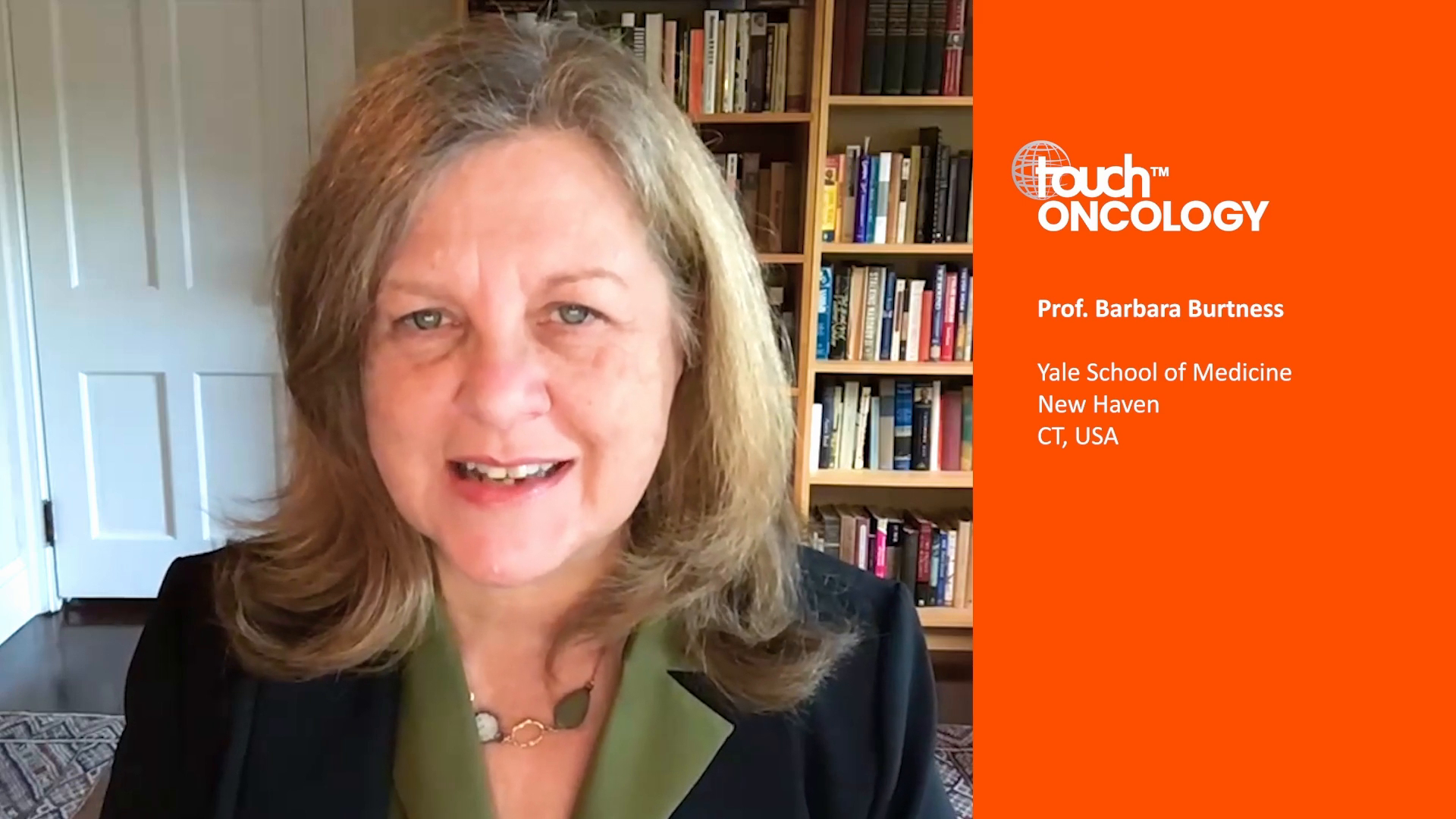
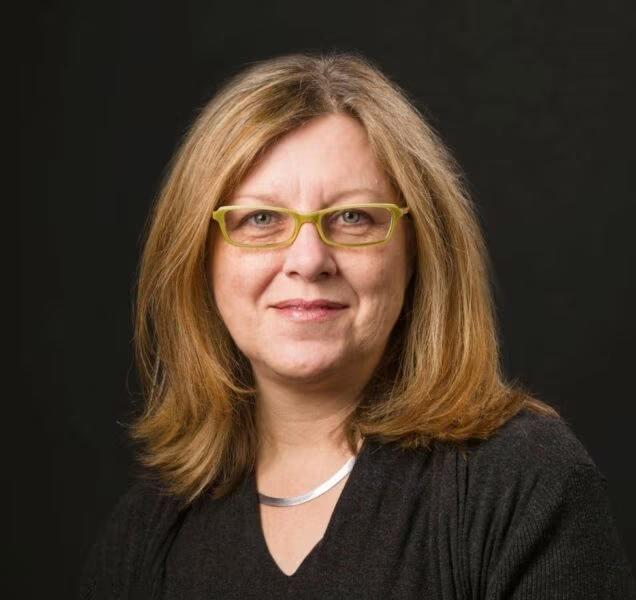
Prof. Barbara Burtness is an Anthony N Brady Professor of Medicine at the Yale School of Medicine, and Chief Translational Research Officer, Associate Director for Translational Science, and Chief, Division of Head and Neck/Sarcoma Oncology at the Yale Cancer Center, New Haven, CT, USA. Prof. Burtness serves as co-leader of the Yale Cancer Center Developmental Therapeutics Program and director of the Yale Head and Neck Specialized Program of Research Excellence. Prof. Burtness is internationally recognized for her research in head and neck cancer. She chairs the ECOG-ACRIN Cooperative Group Head and Neck Cancer Therapeutics Committee, and leads national and international trials of targeted therapy in head and neck cancer. Prof. Burtness has served on the editorial board for a number of journals, including the Journal of Clinical Oncology and Clinical Cancer Research. She has contributed to a number of practice guidelines, standards and consensus statements in head and neck cancer, and has also published widely on the topic, with over 200 publications. read more
Prof. Barbara Burtness discloses: Employee or independent contractor relationships with ALX Oncology and Merus. Advisory board or panel fees from AstraZeneca, Coherus BioSciences, Genmab, GSK, Merck KGaA and Rakuten Medical. Consultancy fees from IO Biotech, Merus and Vaccinex, Inc (relationships terminated). Speaker Bureau fees from Coherus BioSciences.
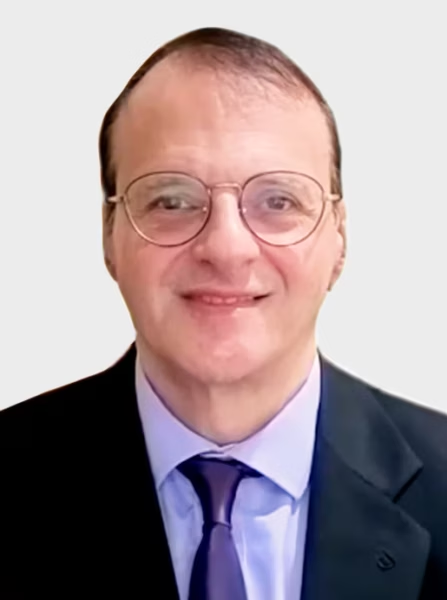
Dr Nabil Saba is professor and vice chair in the Department of Hematology and Medical Oncology, professor of otolaryngology, and the inaugural Lynne and Howard Halpern Chair in Head and Neck Cancer Research at Emory University, Atlanta, GA, USA. He is director of the head and neck cancer research working group and leads the head and neck cancer multidisciplinary programme. Dr Saba’s work encompasses exploring novel therapeutic approaches in head and neck cancers. He is a well-recognized leader in research and immunotherapeutic applications. Dr Saba has served as principal investigator of more than 60 interventional and translational clinical trials and chaired a number of national and international studies in the field, including two NCI National Clinical Trials Network trials under the ECOG-ACRIN group. Dr Saba also served as an elected member of the clinical guidelines and the head and neck guidelines committees for the American Society of Clinical Oncology (ASCO). He served as the elected chair of the recurrent metastatic, as well as rare tumour, task forces of the head and neck cancer NCI steering committee. Dr Saba has authored more than 300 peer-reviewed manuscripts and textbook chapter publications, and is editor of two textbooks updating the management of oesophageal cancer and covering therapeutic approaches in sino-nasal malignancies. read more
Dr Nabil Saba discloses: Advisory board or panel fees from Astex, AstraZeneca, Aveo, BioNTech, Bristol Myers Squibb, Coherus, Eisai, EMD Serono, Exelixis, Flamingo, Fulgent, GlaxoSmithKline, Infinity, Inovio, Merck, Nanobiotix, Seagen, Surface Oncology, Taiho, Urogen and Vaccinex; Adagene, Celldex, Cornerstone, Faron Pharmaceutical, Imugene, Kura and Pfizer (relationships terminated). Grants/research support from Bristol Myers Squibb and Exelixis.
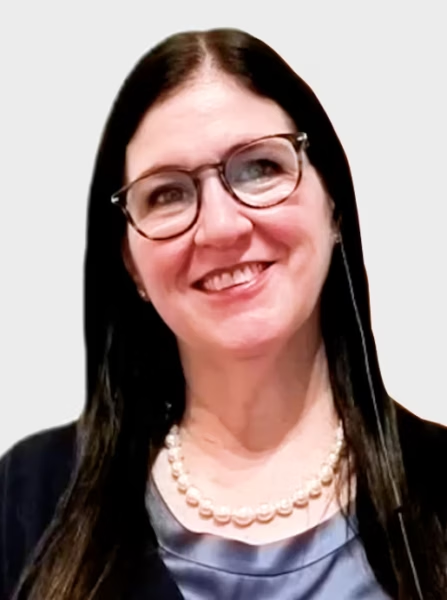
Dr Victoria Villaflor is a clinical professor of medicine and director of head and neck oncology at the Chao Family Comprehensive Cancer Center, University of California, Orange, CA, USA. An internationally recognized expert in head and neck cancers, including nasopharyngeal carcinoma, Dr Villaflor specializes in the integration of immunotherapy and targeted therapy across both curative and metastatic settings. Her research focuses on multidisciplinary approaches, radiation de-escalation, reirradiation and treatment personalization. She has led numerous clinical trials and authored over 80 peer-reviewed publications. A dedicated mentor and patient advocate, she has been named a Castle Connolly Top Doctor for over a decade and received the Cardinal Joseph Bernardin Humanitarian Award in 2017. read more
Dr Victoria Villaflor discloses: Advisory board or panel fees from Bristol Myers Squibb, Coherus, Genentech and Regeneron (all relationships terminated). Consultant fees from Coherus (relationship terminated). Grants or research support from Takeda (relationship terminated).
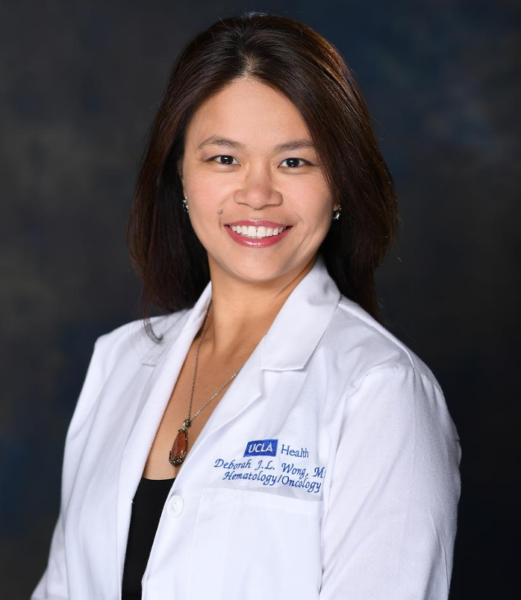
Deborah J. Wong, MD, PhD, is an associate clinical professor of medicine in the Division of Hematology-Oncology at the University of California, Los Angeles (UCLA). Dr. Wong completed her MD and PhD degrees at the University of California, Irvine, and her internal medicine residency and hematology/oncology fellowship training at UCLA, where she served as chief resident and chief fellow. At UCLA, she serves as the director of the Head and Neck Medical Oncology Program and co-lead of the Head and Neck Disease Site Group for the UCLA Jonsson Comprehensive Cancer Center. Her clinical research focuses on identifying and developing novel therapeutics for patients with advanced head and neck cancer. read more
Dr. Deborah Wong discloses: Advisory board or panel fees from Bicara Therapeutics, Coherus Oncology Inc. Fennec Pharmaceuticals, Johnson & Johnson, Merck, Merus, Pyxis Oncology, and Regeneron Pharmaceuticals. Grants/research support from A2 Biotherapeutics, AstraZeneca, AVEO Oncology, Bicara Therapeutics, BioNTech, Eli Lilly, GSK, Johnson & Johnson, Merck, Novartis, Pyxis Oncology, Sensei Biotherapeutics, Tempus AI, and TopAlliance Biosciences.


 touchONCOLOGY
 An independent medical education grant from Coherus Oncology, Inc.
These activities are jointly provided by USF Health and touchIME.

The information provided by this CME activity is for continuing education purposes only and is not meant to substitute for the independent medical/clinical judgement of a healthcare provider relative to diagnostic and treatment options of a specific patient’s medical condition.
USF
USF is an Equal Opportunity / Affirmative Action / Equal Access Institution.
USF Health is accredited by the Accreditation Council for Continuing Medical Education, the American Nurses Credentialing Center and the Accreditation Council for Pharmacy Education to provide continuing education to healthcare professionals. As an accredited provider, USF Health is required to disclose personal information to relevant accredited bodies that certify CME to process credits/contact hours, comply with reporting requirements, and for internal recordkeeping and regulatory purposes. USF Health does not share or sell any individual’s contact information or unique identifiers to any commercial supporter, advertiser, or third party without the specific permission of the individual.
This content is intended for healthcare professionals in the USA only.
Keep track of your clinical interests and newsletter subscriptions.
Or use a .
Already registered? Login below.