
Breast Cancer
An Introduction to Breast Cancer
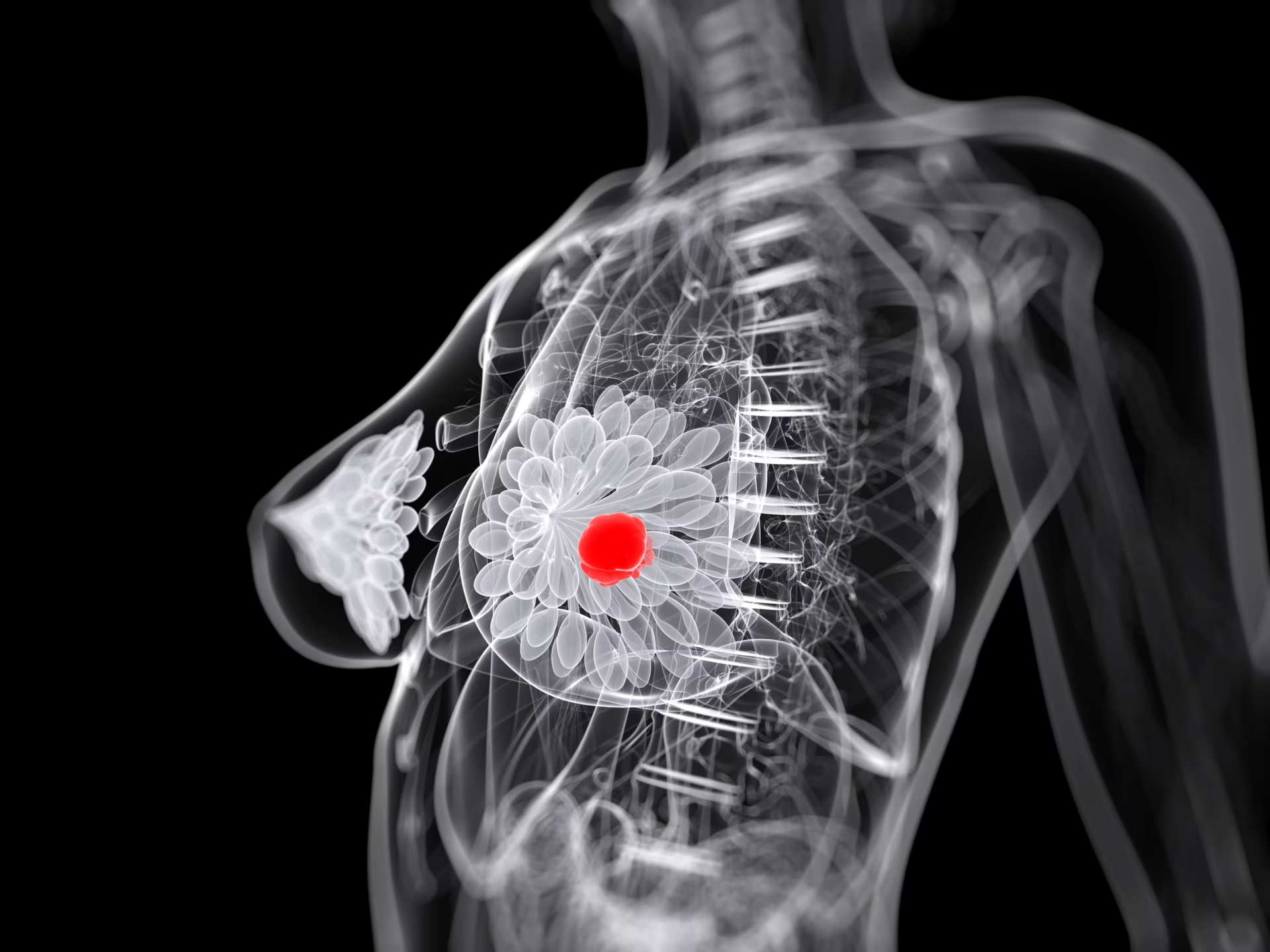
New perspectives in cancer therapy have led to rapid progress in breast cancer research. Some of the most exciting recent developments include ongoing studies aiming to enhance current breast cancer screening options, as well as approval of several poly-ADP ribose polymerase (PARP) inhibitors. Other areas of active research include histone deacetylase (HDAC) inhibitors and chimeric antigen receptor (CAR) T-cell therapies.
Browse our selection of video highlights and short articles from the conference hub, which provide insights into the latest updates from major conferences, and a collection of peer-reviewed articles from the journal portfolio. These are complemented by a range of educational activities from our expert faculty, with patient outcomes at the forefront.
Our supporting partners do not constitute an endorsement of the content on this page.
Metastatic triple-negative breast cancer (mTNBC) is a clinically heterogeneous disease, but compared with other breast cancer subtypes, triple-negative breast cancer (TNBC) is generally associated with a poorer prognosis and has historically had limited therapeutic options.1 The 5-year survival rate remains ...

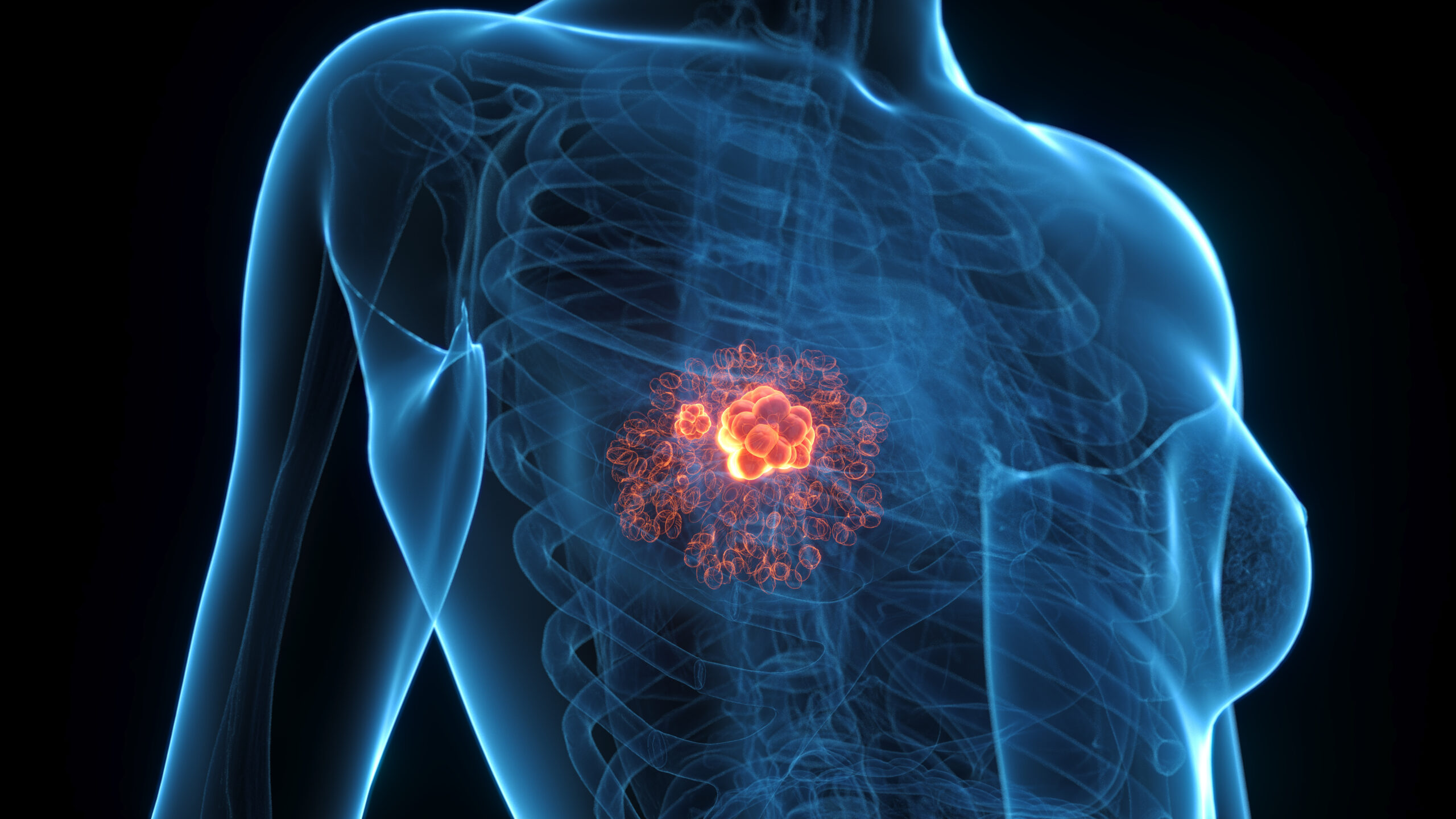
Circulating tumor DNA (ctDNA) has emerged as an innovative and minimally invasive tool in precision oncology. With a short half-life of 30–120 min, ctDNA provides real-time insight into tumor dynamics.1 In early-stage breast cancer, there is growing evidence supporting its potential ...






This interactive patient case simulation is designed to support risk stratification and treatment decision-making in HR+, HER2− early breast cancer (EBC).

This activity consolidates three educational infographics examining recurrence risk assessment, adjuvant CDK4/6 inhibitor clinical trial data, and adverse event management in patients with high-risk HR+, HER2− early breast cancer (EBC).

This activity brings together expert-led video discussions focused on the identification and management of patients with high-risk HR+, HER2− early breast cancer (EBC).

Join us as leading experts discuss key data from the Plenary, Late-breaking and top oral sessions across each major disease area at ASCO 2026 touchONCOLOGY coverage of ASCO 2026 2026 American Society of Clinical Oncology (ASCO) Annual Meeting brought together the global oncology ...

New ASCENT-04 data presented at ASCO 2026 suggest that first-line sacituzumab govitecan plus pembrolizumab may provide sustained clinical benefit beyond first progression in patients with previously untreated PD-L1-positive metastatic triple-negative breast cancer. The exploratory post-hoc analysis showed improved PFS2 versus chemotherapy plus pembrolizumab, despite high crossover to sacituzumab govitecan in the control arm.

Dr Rupert Bartsch (University of Vienna, Austria) highlighted six important studies across the breast cancer landscape presented at ASCO 2026. The studies below discuss interesting and strategic developments in genomic risk stratification in early disease, supportive care optimization, HER2-positive metastatic strategies and novel antibody–drug conjugates in triple-negative breast cancer.

The plenary session at the AACR Annual Meeting 2026 brought sharp focus to one of oncology’s most urgent challenges: the global rise in early-onset cancers. Across four complementary presentations, speakers combined epidemiology, molecular biology and clinical insight to frame a multifactorial, and still evolving, picture of risk in younger populations. Below, we have broken down the key points and take-home messages from the session.


See who the oncology community selected as the rising stars of 2026!

In this Future Leaders interview, Dr Agostinetto discusses the mentors who shaped her career, the value of combining clinical care with research, and why collaboration and mentorship are essential for the next generation of oncologists.

At EBCC15, Dr Elisa Agostinetto presented compelling evidence that circulating tumor DNA (ctDNA) at completion of neoadjuvant therapy could be a game-changer biomarker for predicting breast cancer relapse. In the Q&A below, Dr. Agostinetto discusses the implications of her findings and the path toward integrating ctDNA into routine clinical practice.
The 15th European Breast Cancer Conference (EBCC15) showcased a wave of research poised to reshape breast cancer care. Below, we spotlight the key highlights from this year’s conference.

February has already been very busy across regulation, clinical research and community awareness - and we're only half way through! See below a round-up of the main breakthroughs and what to look out for during the rest of the month. ...
Log into your Touch Account
Keep track of your clinical interests and newsletter subscriptions.
Sign up with an Email
Or use a .
Register now for FREE access
Already registered? Login below.