
Breast Cancer
An Introduction to Breast Cancer
New perspectives in cancer therapy have led to rapid progress in breast cancer research. Some of the most exciting recent developments include ongoing studies aiming to enhance current breast cancer screening options, as well as approval of several poly-ADP ribose polymerase (PARP) inhibitors. Other areas of active research include histone deacetylase (HDAC) inhibitors and chimeric antigen receptor (CAR) T-cell therapies.
Browse our selection of video highlights and short articles from the conference hub, which provide insights into the latest updates from major conferences, and a collection of peer-reviewed articles from the journal portfolio. These are complemented by a range of educational activities from our expert faculty, with patient outcomes at the forefront.
Our supporting partners do not constitute an endorsement of the content on this page.

It is with great pleasure that we present the latest edition of touchREVIEWS in Oncology & Haematology. This issue reflects the growing momentum of precision oncology, from liquid biopsy and response-adapted strategies to antibody–drug conjugates (ADCs) and immune-based therapies, ...


Can advances in antibody-drug conjugate design translate into meaningful survival benefits across more tumor types and earlier treatment settings, without unacceptable toxicity? Having transformed treatment for HER2-positive breast cancer, ADCs are now taking center stage in Madrid, featuring in one-third of the Presidential Symposium late-breaking abstracts. These studies illustrate a shift from established HER2-directed approaches, toward a broader landscape of targets, payloads and clinical applications. In this article, we examine the key trials to watch and the clinical questions they aim to address.


With the European Society for Medical Oncology (ESMO) Congress 2026 fast approaching, attention is turning to Madrid, where the meeting is held from 23–27th October. Whether you are joining onsite or via the virtual platform, the three Presidential Symposia are the sessions not to miss. This year they carry 12 late-breaking abstracts (LBAs) spanning melanoma, lung, genitourinary, gastrointestinal, gynecological and rare cancers. With close to 300 scientific and educational sessions to choose from, we know the programme can feel overwhelming. So we have put together a quick guide to the headline sessions: when and where they run, who is presenting, and links to explore each one in the programme planner, so you can decide which to prioritize.

The European Society for Medical Oncology (ESMO) Congress 2026 promises a compelling program of clinical data, spanning personalized cancer vaccines, next-generation antibody–drug conjugates (ADCs) and novel approaches to targeted therapy and immunotherapy. With several studies already generating excitement following positive topline announcements, all eyes will be on the full results and their potential implications for clinical practice. Below, we highlight the 12 presidential abstracts to watch, the key findings to look out for and the questions these studies could help answer.
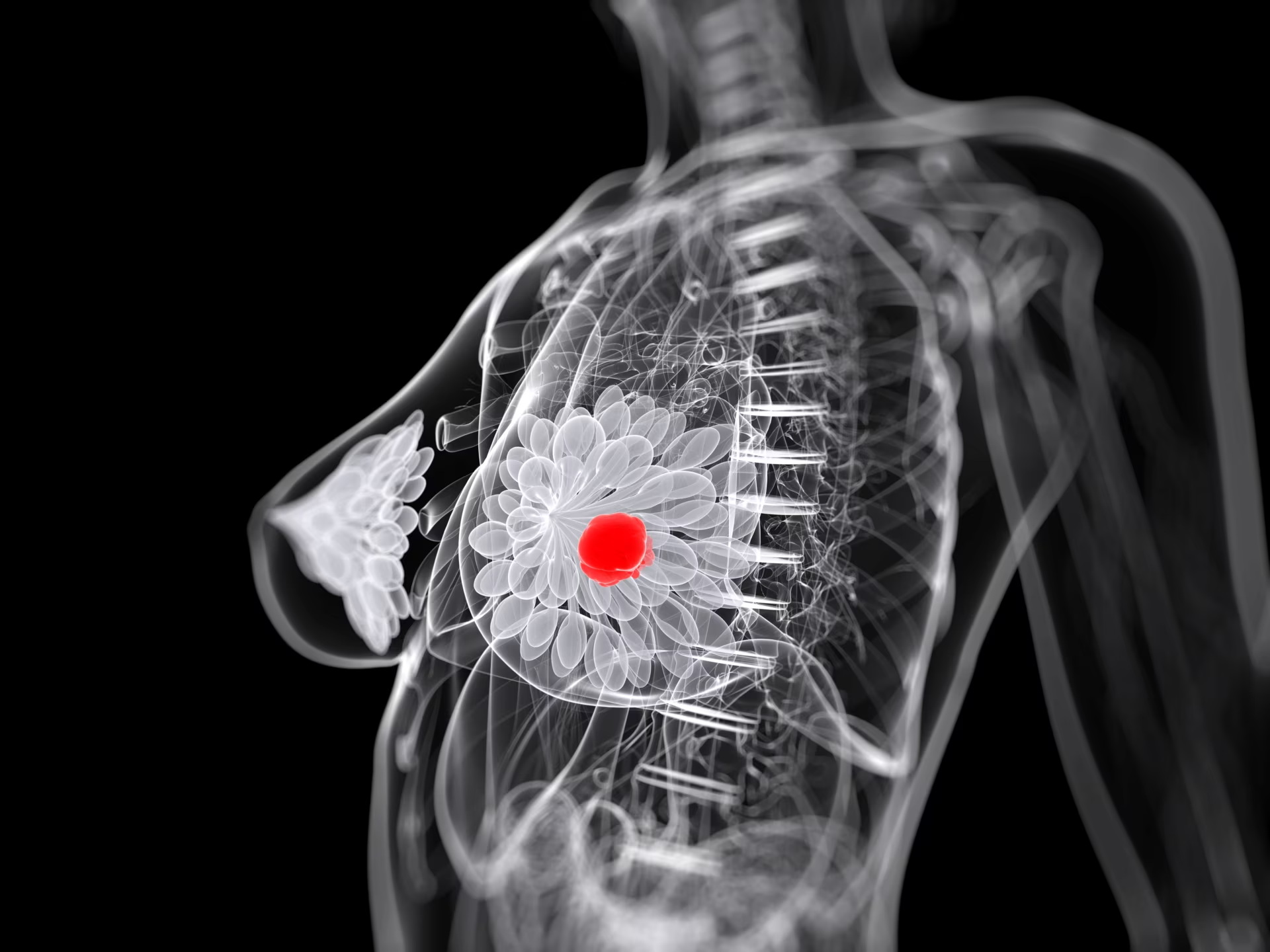
Metastatic triple-negative breast cancer (mTNBC) is a clinically heterogeneous disease, but compared with other breast cancer subtypes, triple-negative breast cancer (TNBC) is generally associated with a poorer prognosis and has historically had limited therapeutic options.1 The 5-year survival rate remains ...

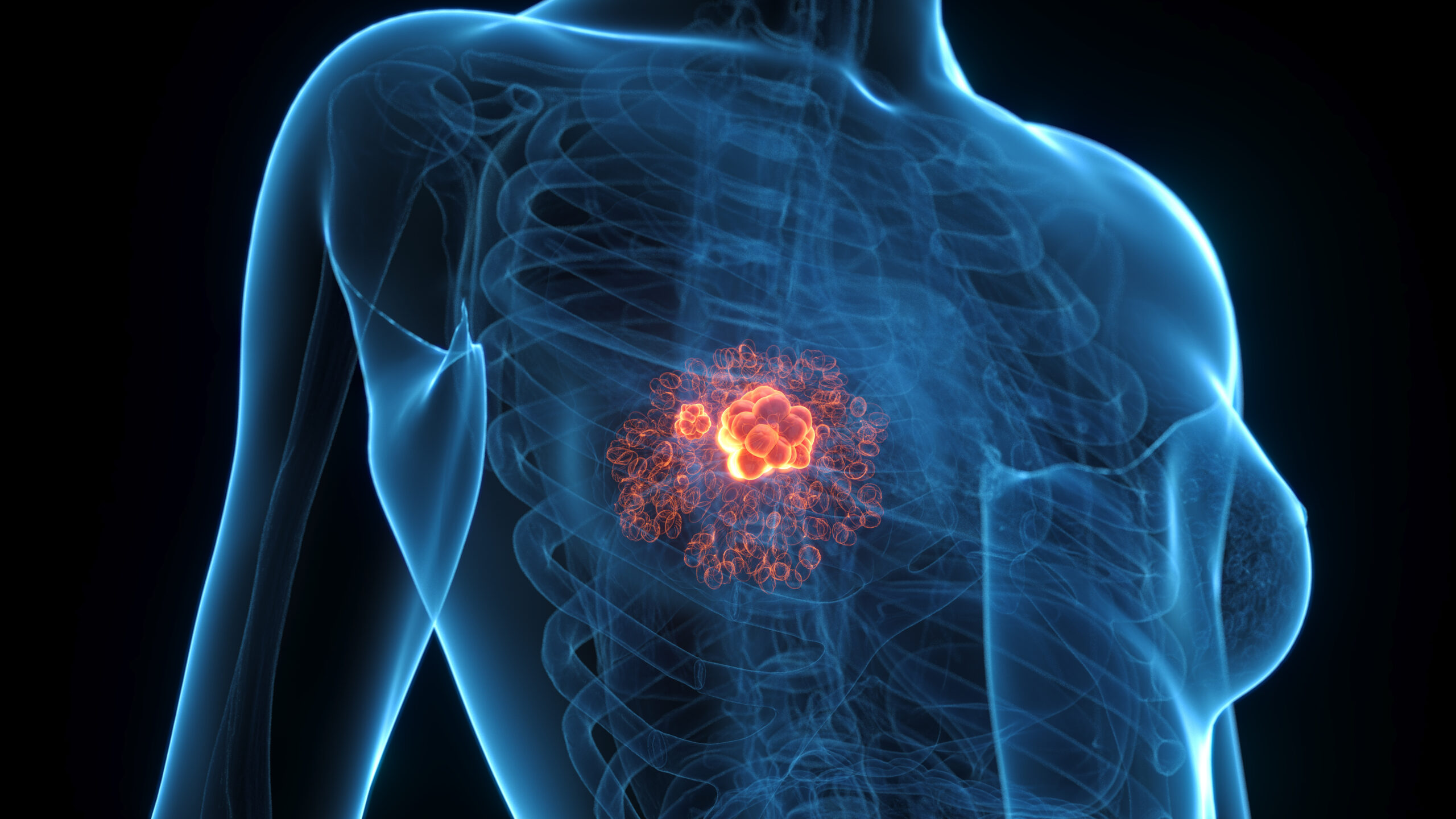
Circulating tumor DNA (ctDNA) has emerged as an innovative and minimally invasive tool in precision oncology. With a short half-life of 30–120 min, ctDNA provides real-time insight into tumor dynamics.1 In early-stage breast cancer, there is growing evidence supporting its potential ...


This interactive patient case simulation is designed to support risk stratification and treatment decision-making in HR+, HER2− early breast cancer (EBC).

This activity consolidates three educational infographics examining recurrence risk assessment, adjuvant CDK4/6 inhibitor clinical trial data, and adverse event management in patients with high-risk HR+, HER2− early breast cancer (EBC).

This activity brings together expert-led video discussions focused on the identification and management of patients with high-risk HR+, HER2− early breast cancer (EBC).

Join us as leading experts discuss key data from the Plenary, Late-breaking and top oral sessions across each major disease area at ASCO 2026 touchONCOLOGY coverage of ASCO 2026 2026 American Society of Clinical Oncology (ASCO) Annual Meeting brought together the global oncology ...

New ASCENT-04 data presented at ASCO 2026 suggest that first-line sacituzumab govitecan plus pembrolizumab may provide sustained clinical benefit beyond first progression in patients with previously untreated PD-L1-positive metastatic triple-negative breast cancer. The exploratory post-hoc analysis showed improved PFS2 versus chemotherapy plus pembrolizumab, despite high crossover to sacituzumab govitecan in the control arm.

Dr Rupert Bartsch (University of Vienna, Austria) highlighted six important studies across the breast cancer landscape presented at ASCO 2026. The studies below discuss interesting and strategic developments in genomic risk stratification in early disease, supportive care optimization, HER2-positive metastatic strategies and novel antibody–drug conjugates in triple-negative breast cancer.

The plenary session at the AACR Annual Meeting 2026 brought sharp focus to one of oncology’s most urgent challenges: the global rise in early-onset cancers. Across four complementary presentations, speakers combined epidemiology, molecular biology and clinical insight to frame a multifactorial, and still evolving, picture of risk in younger populations. Below, we have broken down the key points and take-home messages from the session.
Log into your Touch Account
Keep track of your clinical interests and newsletter subscriptions.
Sign up with an Email
Or use a .
Register now for FREE access
Already registered? Login below.
