
Gastrointestinal Cancers
An Introduction to Gastrointestinal Cancers
Despite advances in radiotherapy, chemotherapy, and targeted therapy for gastrointestinal cancers, the disease has high recurrence rates and a poor prognosis. However, increased understanding of molecular biology has enabled significant progress in the management of oesophageal, gastric, liver, colorectal and pancreatic malignancies. Immunotherapies such as PD1 inhibitors plus HER-targeted therapies have improved survival in several gastrointestinal tumour types, while PARP inhibitors have been introduced as first-line maintenance treatment for BRCA-mutated metastatic pancreatic cancer.
Expert video highlights, insights from the conference hub and comprehensive peer-reviewed articles from our journal portfolio provide updates on the changing treatment landscape.
Our supporting partners do not constitute an endorsement of the content on this page.

Esophageal cancer (EC) is a major global health concern, ranking as the 11th most commonly diagnosed cancer and the seventh leading cause of cancer-related deaths worldwide, with an estimated 494,320 new cases and 441,994 deaths in 2024.1 Esophageal squamous cell carcinoma (ESCC) remains ...







Join us as leading experts discuss key data from the Plenary, Late-breaking and top oral sessions across each major disease area at ASCO 2026 touchONCOLOGY coverage of ASCO 2026 2026 American Society of Clinical Oncology (ASCO) Annual Meeting brought together the global oncology ...

Abderrahim Oussalah discusses findings from the SEPT9_CROSS study evaluating circulating methylated SEPT9 as a blood-based biomarker for HCC detection in cirrhosis. “These findings support a two-tier surveillance framework in which mSEPT9 and AFP work together to improve both the ...

Several late-breaking gastrointestinal oncology studies presented at ASCO 2026 highlighted how treatment selection is continuing to evolve across colorectal, hepatobiliary, gastric, and esophageal cancers, with new data on ctDNA-guided adjuvant therapy, earlier integration of targeted agents, and intensified perioperative strategies. In this round-up, we have selected six of the most important late-breakers, and examine the latest data from CIRCULATE, BREAKWATER, EMERALD-3, Neo-CRAG, SCIENCE, and RC48-C027.

The five selected Plenary late-breaking abstracts at the ASCO 2026 Annual Meeting in Chicago showcased some of the meeting’s most practice-influencing data. Across prostate cancer, sarcoma, lung cancer and pancreatic cancer, these phase 3 studies demonstrated meaningful improvements in survival outcomes, highlighting the growing impact of perioperative intensification, precision oncology and novel targeted therapies in difficult-to-treat disease settings.

This issue of touchREVIEWS in Oncology & Haematology brings together a diverse collection of articles reflecting the growing complexity of cancer care and the continued evolution of precision medicine across tumour types. From rare malignancies and treatment-related challenges to emerging ...
The plenary session at the AACR Annual Meeting 2026 brought sharp focus to one of oncology’s most urgent challenges: the global rise in early-onset cancers. Across four complementary presentations, speakers combined epidemiology, molecular biology and clinical insight to frame a multifactorial, and still evolving, picture of risk in younger populations. Below, we have broken down the key points and take-home messages from the session.


Small bowel adenocarcinoma (SBA) is a rare gastrointestinal malignancy, accounting for about 1–3% of gastrointestinal cancers.1,2 Its reported incidence has increased in recent decades, likely reflecting improved detection by balloon-assisted and capsule endoscopy and the more widespread use of cross-sectional imaging.3,4 ...

See who the oncology community selected as the rising stars of 2026!

In this Future Leaders interview, Margaret Wheless reflects on the mentors who shaped her career, the fulfillment she finds in patient care and teaching, and the importance of empathy, collaboration, and intentional mentorship for emerging oncologists.

Dr Bishal Gyawali on curiosity, communication and global oncology: touchONCOLOGY Future Leaders 2026
In this Future Leaders interview, Dr Gyawali discusses how patient-centered care, evidence-based practice and mentorship have shaped his career, and why curiosity, resilience and purpose are essential for the next generation of oncologists.

We often focus on clinical excellence, but spend less time developing broader skills that could help us better lead with purpose and build more fulfilling, impactful careers. In this episode, part of a mini-series in partnership with LEADderm, Dr Jennifer Soung and Denise Mann explore how clinicians can engage with the media to educate, empower and extend their impact beyond the clinic.

Pancreatic cancer (PC) is the tenth most common cancer in 2024, with 66,440 new cases and 51,570 deaths.1,2 Globally, the prevalence varies from 10/100,000 cases in the Americas and Europe to 0.9/100,000 cases in South Central Asia and most of Africa.3 Currently, it has the ...
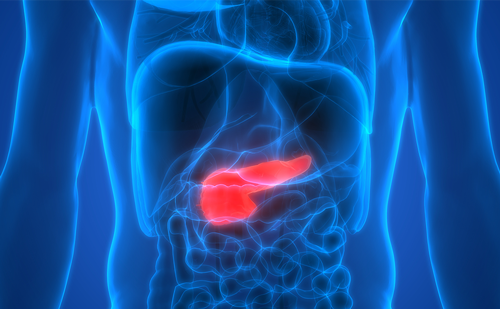
The FDA has approved Optune Pax®, a wearable therapeutic device, for adult patients with locally advanced pancreatic adenocarcinoma when used in combination with standard chemotherapy (gemcitabine and nab-paclitaxel). This marks the first FDA approval of a new treatment option for ...

February has already been very busy across regulation, clinical research and community awareness - and we're only half way through! See below a round-up of the main breakthroughs and what to look out for during the rest of the month. ...

The treatment paradigm for HER2-positive advanced gastric and GEJ adenocarcinoma has been reshaped by the integration of immune checkpoint inhibitors into trastuzumab-based chemotherapy. The phase III KEYNOTE-811 trial established the benefit of adding pembrolizumab to trastuzumab and chemotherapy, whereas the HERIZON-GEA-01 trial, presented at 2026 ASCO GI Cancers Symposium, explored a distinct strategy – enhancing HER2 blockade itself through substitution with the bispecific antibody zanidatamab, with or without PD-1 inhibition.
Log into your Touch Account
Keep track of your clinical interests and newsletter subscriptions.
Sign up with an Email
Or use a .
Register now for FREE access
Already registered? Login below.