Hematologic Malignancies
An Introduction to Hematologic Malignancies
In recent years, advances in our understanding of the pathological mechanisms underlying haematological malignancies have led to improved outcomes. Several novel drug classes are now emerging, including chimeric antigen receptor (CAR) T-cell therapy, molecular targeted therapies, bispecific T-cell engaging antibodies, CD47 blockade therapy and antibody-drug conjugates. Many challenges remain, however, including how best to combine agents and determining where new therapies fit into the treatment paradigm.
Expert video highlights, insights from the conference hub and comprehensive peer-reviewed articles from our journal portfolio provide updates on the changing treatment landscape. To learn more about how the latest developments impact on patient outcomes view our expert-led learning activities.”
Our supporting partners do not constitute an endorsement of the content on this page.

Patient experience findings from the Phase 2 IZALCO study.

This interactive, patient-focused activity explores key considerations in selecting first-line and subsequent therapies for elderly patients with active CLL.






The AIEOP-BFM ALL 2017 trial represents one of the clearest demonstrations to date that frontline immunotherapy can outperform and out-safeguard conventional chemotherapy in pediatric ALL. Beyond its immediate implications for high-risk disease, the study may provide the framework for broader treatment redesign across ALL risk groups, with future trials now focused on how far chemotherapy exposure can be safely reduced while preserving—and potentially improving—long-term cure. In this exclusive Q&A, Prof Martin Schrappe suggests this may be only the beginning of chemotherapy de-escalation in childhood ALL.

For almost two decades, R-CHOP has remained the established frontline standard for DLBCL, yet approximately 40% of patients are not cured with first-line therapy. At EHA 2026, Prof Georg Lenz presented new phase 3 data from the frontMIND study suggesting that this long-standing backbone may now be open to improvement. The study showed that adding tafasitamab and lenalidomide to R-CHOP significantly improved progression-free survival (PFS) in previously untreated patients with high-risk DLBCL and high-grade B-cell lymphoma (HGBL), marking one of the first positive frontline intensification trials in this setting in recent years.

Several important lymphoma studies presented at ASCO 2026 provided new data across newly diagnosed and relapsed/refractory disease settings. The studies spanned aggressive B-cell lymphomas and classic Hodgkin lymphoma, evaluating novel antibody-based combinations, epigenetic targeting strategies and chemotherapy-sparing approaches. Dr Tycel Phillips provides his expert insights into the six most important studies of the meeting.

Late-breaking data from the phase 3 SENTRY trial show that selinexor plus ruxolitinib significantly improved spleen volume reduction in JAK inhibitor–naïve myelofibrosis, with rapid and sustained responses and an early signal for overall survival benefit. While symptom improvement was comparable to ruxolitinib alone, exploratory biomarker findings suggest potential disease-modifying activity, positioning the combination as a possible new frontline strategy.

The European Hematology Association (EHA) 2026 Congress brought together the global hematology community to unveil the latest practice-shaping advances in hematological malignancies and blood disorders. From plenary and late-breaking trial results to prestigious award winners, novel therapeutics, translational science and emerging technologies, the meeting delivered a vast volume of data. In this expert-led round-up, leading specialists distil the most important data and key takeaways from across each disease area, offering an essential guide to the studies set to shape the future of hematology.

These infographics review CLL management, from initial diagnosis and staging through treatment initiation and discontinuation, and assessment of patient risks.


Join us as leading experts discuss key data from the Plenary, Late-breaking and top oral sessions across each major disease area at ASCO 2026 touchONCOLOGY coverage of ASCO 2026 2026 American Society of Clinical Oncology (ASCO) Annual Meeting brought together the global oncology ...


See who the oncology community selected as the rising stars of 2026!

In this Future Leaders interview, Margaret Wheless reflects on the mentors who shaped her career, the fulfillment she finds in patient care and teaching, and the importance of empathy, collaboration, and intentional mentorship for emerging oncologists.

We are delighted to announce Dr Rahat Ul Ain as a touchONCOLOGY Future Leader 2026, selected as a rising star poised to shape the future of CNS tumors, Hodgkin lymphoma and immunodeficiency-associated cancers.


We often focus on clinical excellence, but spend less time developing broader skills that could help us better lead with purpose and build more fulfilling, impactful careers. In this episode, part of a mini-series in partnership with LEADderm, Dr Jennifer Soung and Denise Mann explore how clinicians can engage with the media to educate, empower and extend their impact beyond the clinic.
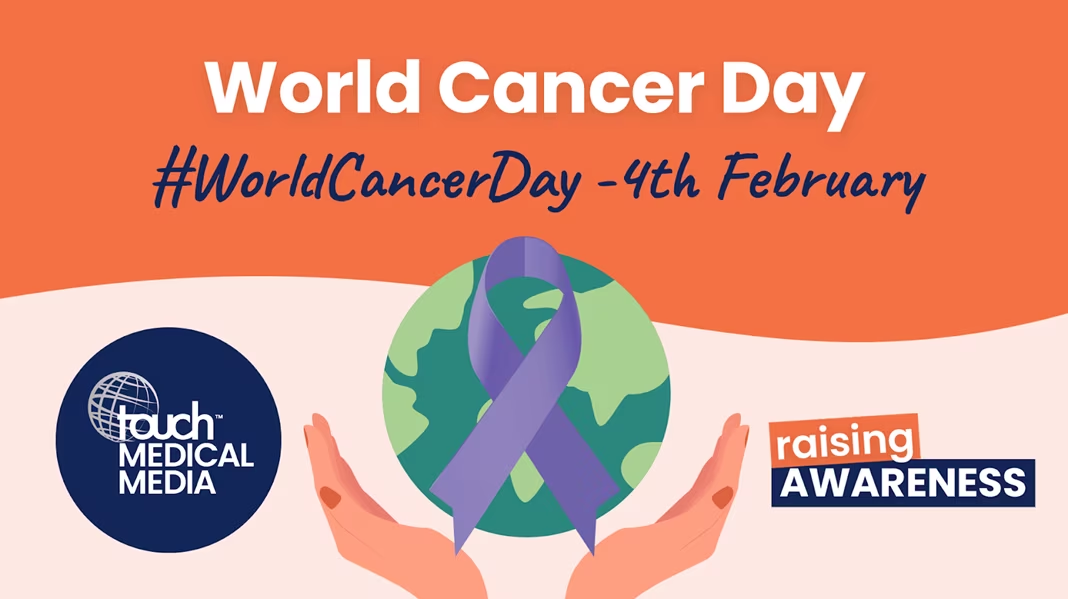
February has already been very busy across regulation, clinical research and community awareness - and we're only half way through! See below a round-up of the main breakthroughs and what to look out for during the rest of the month. ...
Log into your Touch Account
Keep track of your clinical interests and newsletter subscriptions.
Sign up with an Email
Or use a .
Register now for FREE access
Already registered? Login below.