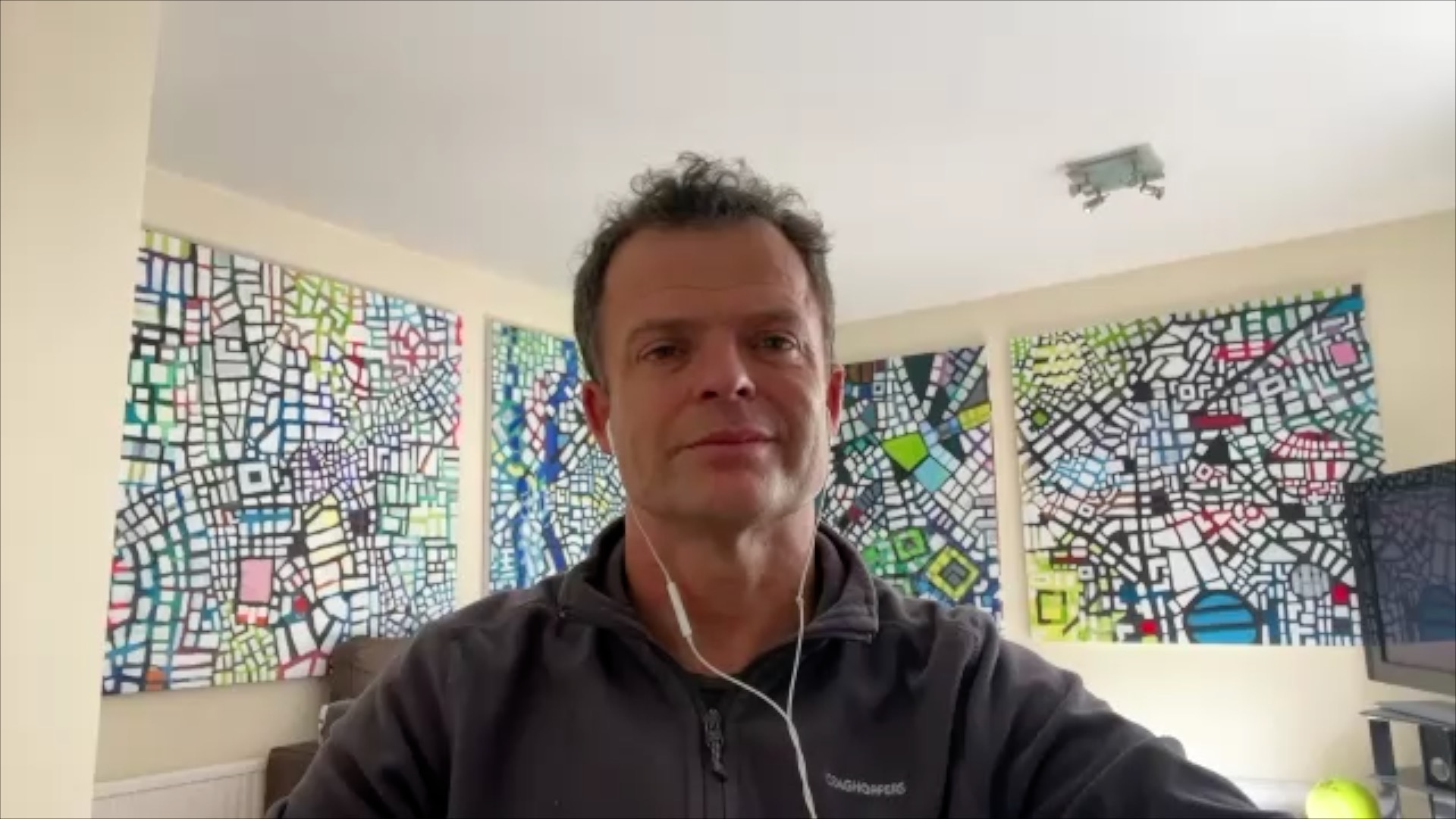
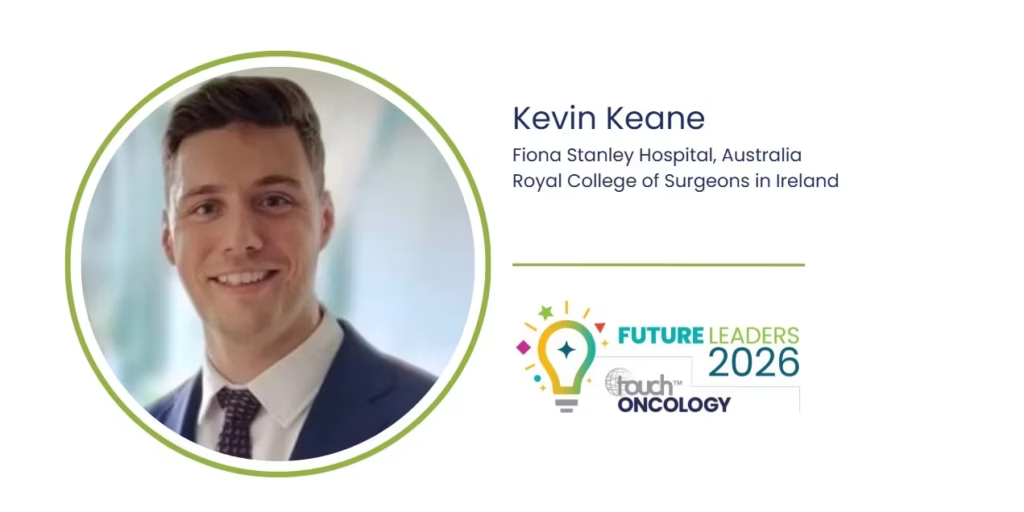
We are delighted to announce Dr Kevin Keane as a touchONCOLOGY Future Leader 2026, selected as a rising star poised to shape the future of genitourinary oncology and surgery.
Dr Kevin Keane is a urology trainee with the Royal College of Surgeons in Ireland and PhD candidate at the University of Western Australia, currently serving as a Urology Research Fellow at Fiona Stanley Hospital. Dr Keane has authored over 60 peer-reviewed publications, been involved in clinical trials in urothelial cancer imaging and therapeutics, and presented data at leading international conferences. He is an Honorary Research Fellow at University College London and Visiting Urology Fellow with WACHS Kimberley. He is a member of the British Urology Researchers in Surgical Training (BURST) and Australian and New Zealand Urogenital and Prostate Cancer Trials Group (ANZUP).
In this Future Leaders interview, Dr Keane discusses the mentors who shaped his approach to clinically meaningful research, the integration of surgery and innovation in uro-oncology and the collaborative, patient-centred advances set to transform bladder cancer care.

“Aligning yourself with ambitious, supportive leaders in the field can shape both your career direction and mindset”
Q: Can you tell us about mentors who significantly impacted your career, and the most valuable lesson they have shared with you?
I’ve been very fortunate to work with a number of outstanding mentors throughout my training. In Ireland, I was trained by excellent surgeons and academic urologists who instilled strong clinical foundations and an appreciation for high-quality, patient-centred care. Through my involvement with collaborative groups including BURST (British Urology Researchers in Surgical Training), I’ve also been influenced by a network of early-career researchers who emphasize the power of teamwork and shared learning.
More recently, working under Prof Dickon Hayne has had a particularly significant impact on my development. He is an innovator, with extensive experience in first-in-human studies and a strong focus on developing novel local therapies for bladder cancer that aim to improve both oncological outcomes and patient experience. He also demonstrates the power of collaborative research, particularly through ANZUP (Australian and New Zealand Urogenital and Prostate Cancer Trials Group), where I am fortunate to contribute at a subcommittee level. The most valuable lesson he has shared is the importance of identifying meaningful clinical problems and having the persistence to translate ideas into impactful research.
Q: What aspects of your work do you find the most fulfilling?
What I find most fulfilling is the integration of clinical care and research, particularly in uro-oncology, where there is a genuine opportunity to work across the full bench-to-bedside spectrum. In bladder cancer, I have the privilege of managing patients from initial diagnosis and surgical treatment, through clinical trial enrolment and surveillance, and, where necessary, to definitive surgical management. This continuity provides a unique perspective and a strong sense of responsibility.
Surgery offers the ability to make an immediate and tangible difference to patients’ lives, while research, particularly clinically relevant, trial-based innovation, provides the opportunity to shape future care. Being involved in the development and delivery of novel therapies is especially rewarding in areas such as high-risk non-muscle invasive bladder cancer, where unmet need remains significant.
Equally important is engaging with patients beyond the clinic. Through consumer advisory panels with ANZUP, I have gained valuable insight into patient priorities and how they would like research to evolve. Working within a multidisciplinary team, alongside trial coordinators, nurses and fellow clinicians, makes for a highly varied and collaborative environment, which I find both stimulating and deeply fulfilling.
Q: Looking ahead, what do you anticipate will be the biggest advancements or changes in your field over the next decade?
I think we will see a major shift towards more personalized, biology-driven care in bladder cancer, with treatment increasingly tailored to the individual patient rather than a one-size-fits-all approach. Advances in biomarker-driven stratification will allow us to better determine which patients are most likely to benefit from specific therapies, particularly immunotherapy.
Alongside this, there is growing interest in more targeted and locally delivered treatments. Approaches including sub-urothelial delivery of immune checkpoint inhibitors have the potential to provide effective oncological control while minimizing systemic toxicity and reducing treatment burden and cost. These developments may ultimately reshape traditional treatment paradigms. With more effective bladder-preserving strategies, the role of radical interventions such as cystectomy may evolve over time, particularly for selected patient groups.
We are also likely to see significant advances in diagnostics and disease monitoring. The integration of circulating and urinary tumour DNA into clinical practice may enable less invasive surveillance and earlier detection of recurrence, while novel imaging techniques, including selective PET tracers, will improve staging accuracy and treatment selection.
Taken together, these innovations will lead to more nuanced, adaptive guideline algorithms that incorporate tumour biology, patient-specific prognostic factors and real-time treatment response.
Q: What advice would you offer to those just beginning their journey in your specialty?
Get involved in research early and actively seek out collaborative opportunities. For me, being part of groups such as BURST and ANZUP has been invaluable in understanding how high-quality, practice-changing research is delivered through teamwork. These experiences also open doors to mentorship, which is crucial. Aligning yourself with ambitious, supportive leaders in the field can shape both your career direction and mindset.
I would also strongly encourage gaining exposure to different healthcare systems where possible. My experience undertaking electives in the USA as a medical student, and now pursuing a uro-oncology PhD in Australia, has broadened my perspective on both clinical care and research, and highlighted the value of adaptability. Regular attendance at national and international meetings is equally important, not only to learn from leaders in the field, but to engage with the wider academic community and develop skills through clinical and trials-focused education.
Finally, perseverance is key. Not every idea or project will succeed the first time, but if you genuinely believe in a concept, it is important to learn from setbacks, refine your approach and try again. Many of the most meaningful advances come from persistence and a willingness to challenge established thinking in order to improve patient care.
Disclosures: This short article was prepared by touchONCOLOGY in collaboration with Dr Kevin Keane. No fees or funding were associated with its publication.
Citation: Dr Kevin Keane on global training, collaboration and cancer care across continents: touchONCOLOGY Future Leaders 2026. touchONCOLOGY. 14th April 2026.
Register now to receive the touchONCOLOGY newsletter!
Don’t miss out on hearing about our latest peer reviewed articles, expert opinions, conference news, podcasts and more.