Listening systematically to children and parents is redefining what meaningful outcomes look like in paediatric oncology

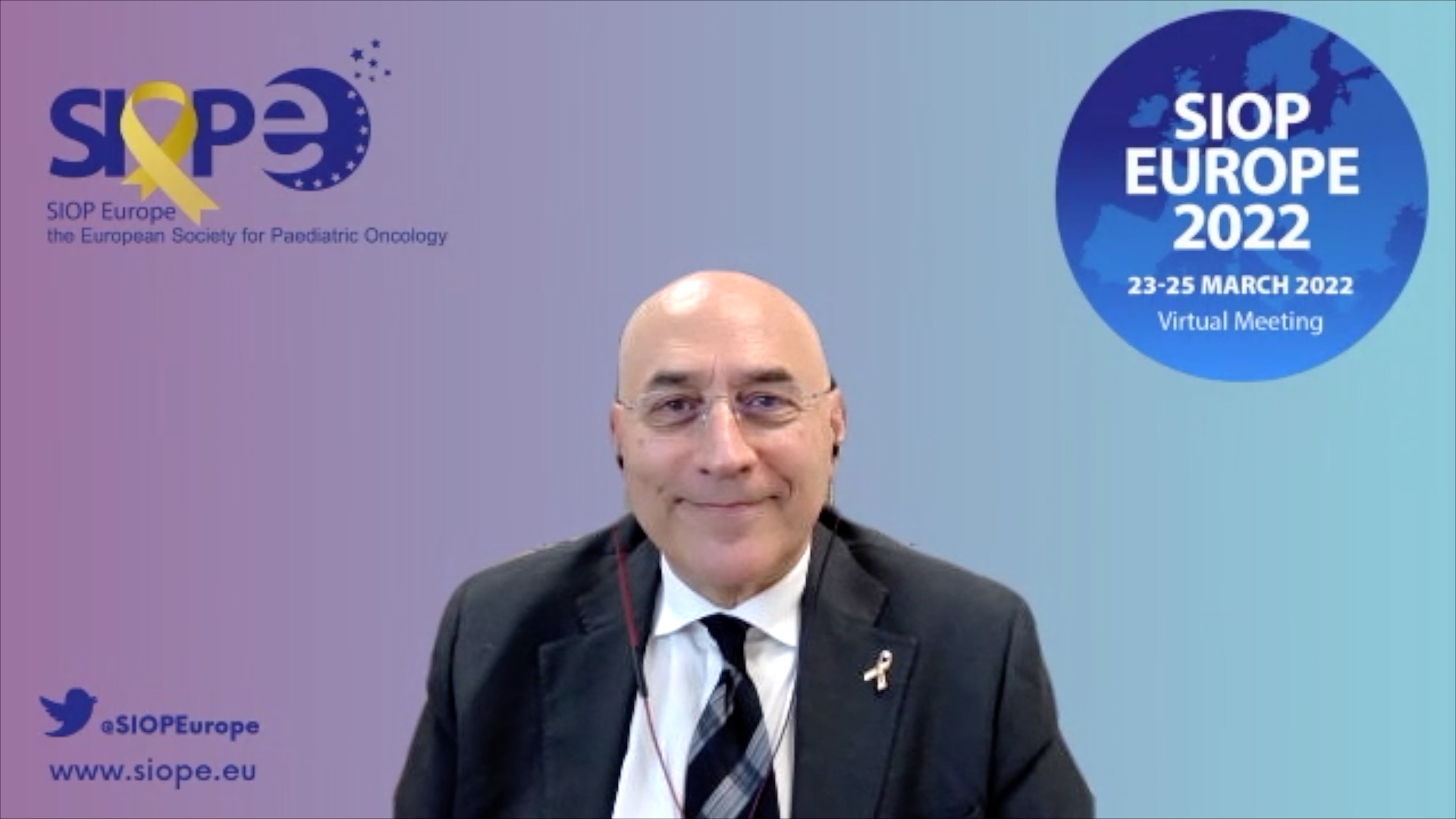
At the 7th SIOP Europe Annual Meeting, attention turned toward how children and families experience cancer treatment, not just how they respond clinically. One of the leading voices in this field is Co-chair of the Psychosocial Working Group in SIOP Europe, Professor Martha Grootenhuis (Princess Máxima Center for Pediatric Oncology, Utrecht, Netherlands). Her work focuses on integrating patient reported outcome measures (PROMS) into both clinical trials and routine care. In this Q&A, she discusses the key take-home messages from her Plenary session ‘PROMS and feedback during trials: a new point at the horizon’.
touchONCOLOGY coverage of SIOP Europe 2026
Why are Patient-Reported Outcome Measures (PROMS) becoming so important in pediatric oncology trials?
PROMS are increasingly used because they allow clinicians and researchers to systematically capture experiences that cannot be measured clinically alone. Symptoms such as fatigue, nausea, pain or emotional distress can only be fully understood through the reports of children and their parents. These measures typically take the form of structured questionnaires designed to translate subjective experiences into data that can be used in trials. Fatigue, for example, is not directly observable, making patient or proxy reporting essential for meaningful assessment. Their adoption has also been accelerated by regulatory expectations. Agencies such as the FDA and EMA increasingly require PROMS to be included as formal outcome measures in clinical trials, embedding patient experience within standard evidence generation.
Your session highlights feedback during trials; what were the key take-home messages from your presentation?
A major challenge lies in the expectation of feedback once PROMS are completed. Families often assume that reporting symptoms will lead to immediate clinical response, particularly if concerning results are identified. In practice, however, PROMS are frequently used for research analysis rather than real-time clinical intervention. This creates a disconnect between expectations and reality. From the parent perspective, cancer care is viewed as inherently holistic, meaning that everything reported should be acknowledged and acted upon. When this does not happen, it can reduce engagement and willingness to continue completing questionnaires. Clinicians, on the other hand, highlight the need for specificity. Generic tools may not capture the nuances of different diagnoses or treatment pathways, limiting their clinical utility. Managing expectations is therefore essential. Without clarity on why PROMS are collected and how they are used, response rates may decline, which in turn affects data quality and the ability to answer research questions.
How does incorporating real-time patient-reported outcomes influence clinical decision-making or trial outcomes?
In clinical practice, PROMS have the potential to support more timely identification of symptoms and earlier intervention. Systematic reporting of issues such as nausea, dizziness or fatigue can help clinicians respond more quickly or refer patients for supportive care. While PROMS do not replace clinical assessment, they provide a structured way of ensuring symptoms are consistently captured, reducing the risk that important issues are missed. Their impact on trial outcomes is likely to be more limited. Most safety and efficacy endpoints are already well established in paediatric oncology trials, meaning PROMS tend to add contextual depth rather than fundamentally change primary results.
In pediatric settings, are there unique challenges when collecting PROMS?
Age is one of the most significant challenges. Younger children are often unable to reliably self-report, meaning parental proxy reporting is required, while self-report remains the gold standard when feasible. There is also complexity in measurement itself, with multiple validated instruments often existing for the same symptom, such as fatigue. This raises questions about consistency and comparability across studies. International trials add another layer of difficulty, as not all PROMS instruments are translated or culturally validated across languages, limiting their global applicability.
Looking ahead, how do you see PROMS and feedback mechanisms shaping the future of paediatric oncology research and care?
PROMS are central to a broader shift towards a biopsychosocial model of care, where medical outcomes are considered alongside psychological and social experience. They allow clinicians and researchers to capture not only treatment effects, but also what it means to live through and beyond childhood cancer, including survivorship. Ultimately, PROMS contribute to a more complete understanding of care. Rather than focusing solely on disease outcomes, they integrate the lived experiences of children and families into clinical decision-making. This reflects a wider societal expectation: that healthcare should reflect the whole person, not only the disease.
This content has been developed independently by Touch Medical Media for touchONCOLOGY in collaboration with SIOP Europe and Martha Grootenhuis. Views expressed are the speaker’s own and do not necessarily reflect the views of Touch Medical Media.
Disclosure: Martha Grootenhuis has no financial or non-financial conflicts of interest to declare in relation to this interview.
Cite: Measuring what matters: How PROMS are transforming paediatric oncology trials. touchONCOLOGY. 12th May 2026.
Interviewer: Caroline Markham