From collaborative trial networks to innovative immunotherapy treatments, Dr Miguel Vieira-Martins discusses how international collaboration, translational science are reshaping the future of paediatric oncology in Europe

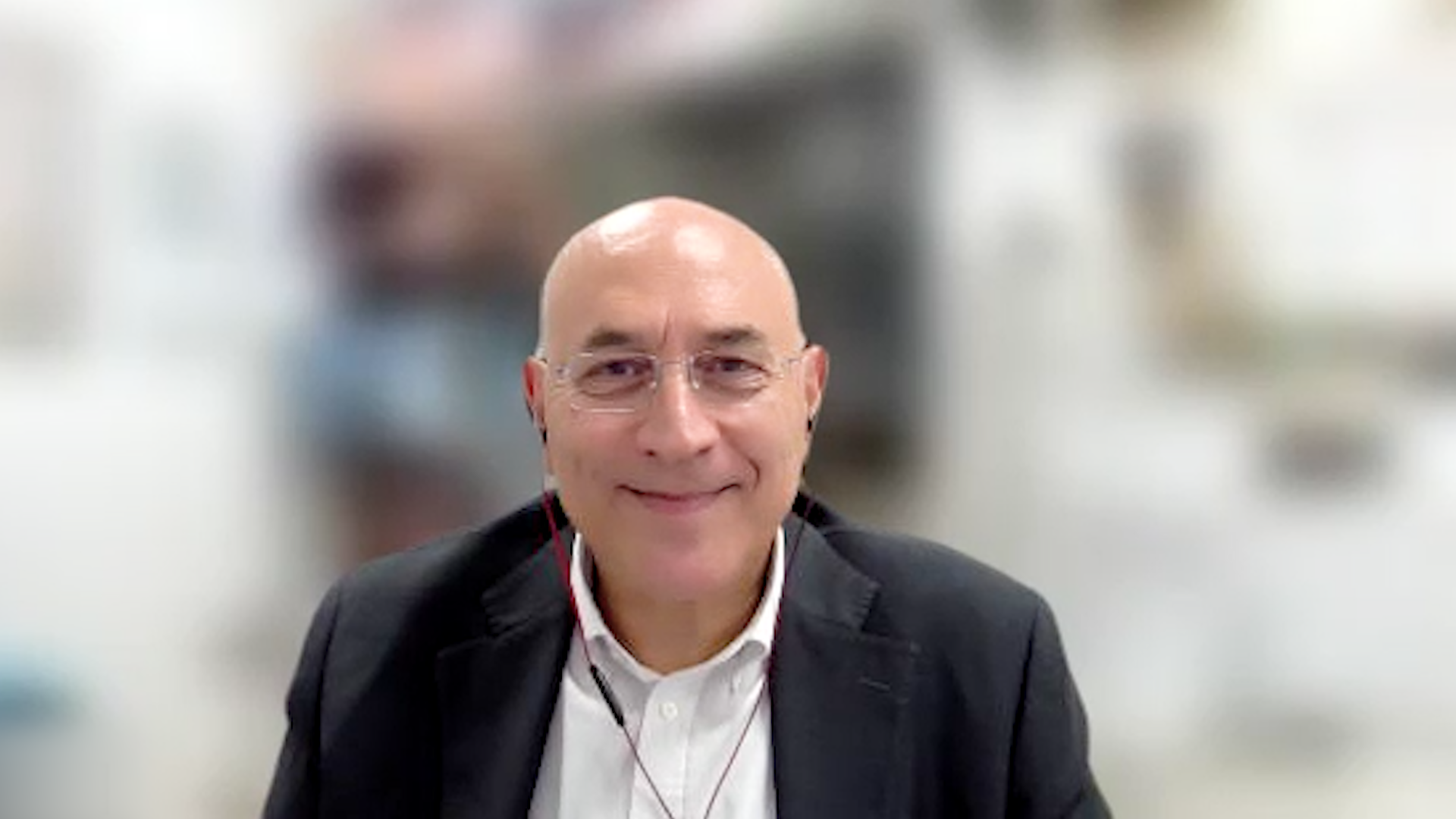
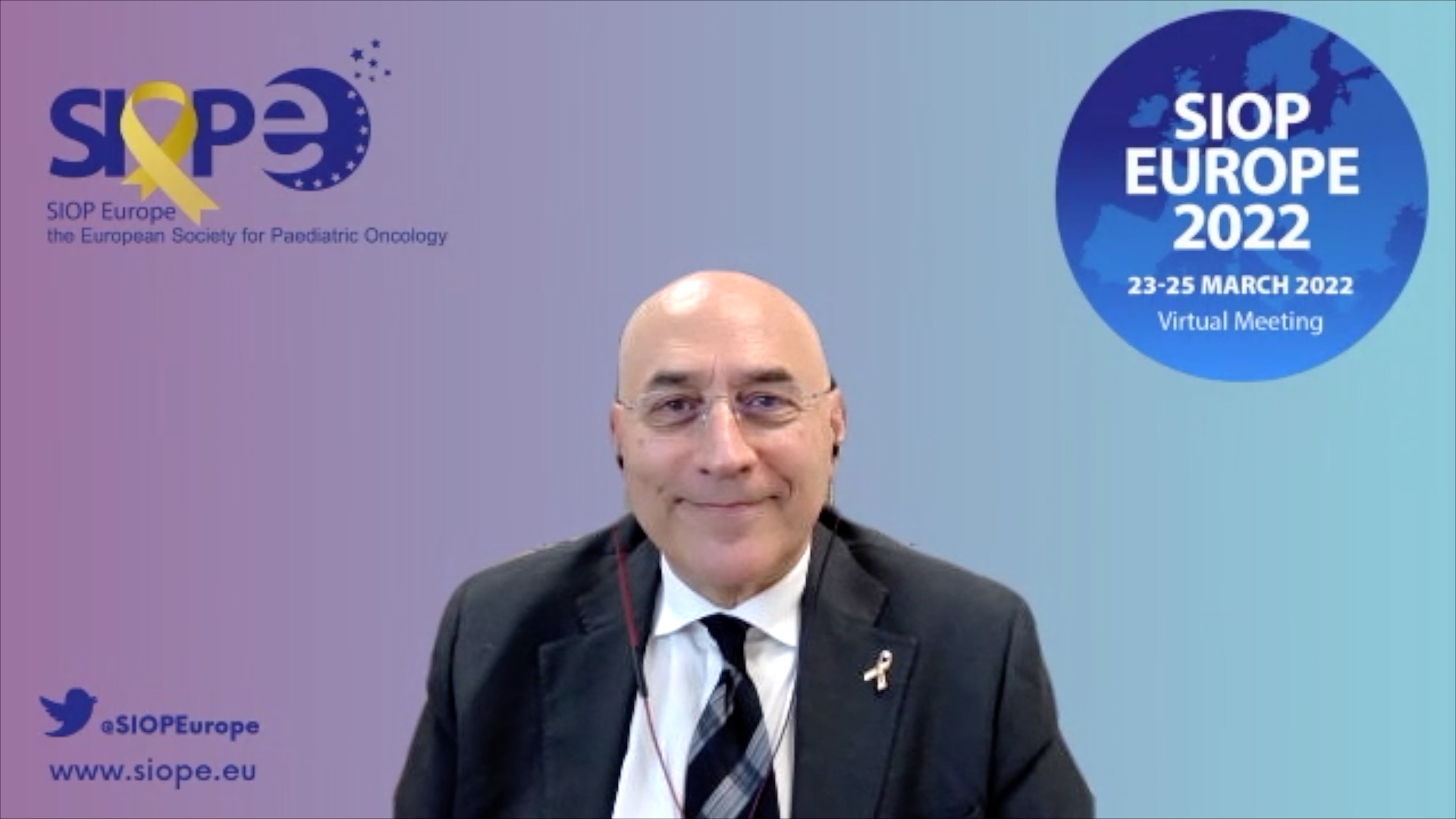
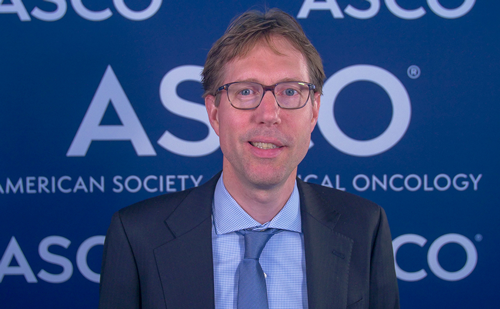
Among the emerging voices at the 7th SIOP Europe Annual Meeting, was Dr Miguel Vieira-Martins, (Princess Máxima Center, Utrecht, Netherlands and member of Young SIOPE Steering Committee). He is deeply engaged in both the scientific and collaborative structures driving the field forward. In this interview, he discusses how opportunities in Young SIOPE are supporting early-career professionals in Europe, and reflects on the importance of international networks, the rise of immunotherapy and how meetings like SIOPE are accelerating progress from bench to bedside.
touchONCOLOGY coverage of SIOP Europe 2026
What is Young SIOPE’s role in shaping the future of paediatric oncology, and what barriers still need to be addressed?
Young SIOPE is a very valuable platform for strengthening connections between early-career professionals in paediatric oncology. Different countries inevitably bring different clinical experiences and approaches, and it is essential to bring these perspectives together. By joining this network, young clinicians can actively contribute to the conversation while also learning from others. Within the steering committee, we work to connect senior leaders with younger clinicians, creating opportunities to share ideas and launch new initiatives. Paediatric oncology is a small and highly specialised field, so knowing who is working on what across countries is essential. Senior clinicians are often well connected already, but younger professionals are not. Young SIOPE helps bridge that gap and build a truly international community.
Today’s trainees will be tomorrow’s leaders, so it is essential that they understand not only clinical practice but also how the field is structured. That includes engagement with clinical trial groups, research consortia, and protocol development. Young SIOPE provides access to these structures by involving trainees in European collaborative groups, allowing them to observe and learn how decisions are made. Over time, this progresses from observation to active participation, and eventually to leadership roles in designing future trials. The main barrier is access; ensuring young clinicians are consistently included in these networks early enough in their careers to gain meaningful experience.
How is translational research influencing paediatric oncology practice today?
Its impact is substantial and continues to grow. Advances in diagnostics and preclinical modelling are directly improving how we understand disease biology and patient prognosis. Importantly, preclinical research has evolved significantly. We are no longer limited to traditional animal models; we now use more sophisticated cellular systems that closely mimic human cancer biology. These models provide more accurate insights and help bridge the gap between laboratory research and clinical application. This stronger link between bench and bedside is accelerating the development of more effective and targeted therapies.
What do you see as the biggest advance shaping paediatric oncology over the next decade?
Immunotherapy. We are currently in a chemotherapy-dominated era, where treatments are effective but often highly toxic, with long-term consequences for children who are still developing.
Immunotherapy offers the possibility of replacing or reducing some of these intensive chemotherapy blocks while maintaining or even improving efficacy. Treatments such as CAR T-cell therapy are already showing promising results, and we are witnessing rapid expansion in this field. In the next 10 to 20 years, I believe we will see immunotherapy fundamentally reshape treatment protocols and significantly reduce long-term toxicity for survivors.
What have been your highlights from the meeting, and why is the SIOPE Annual Meeting so important?
The key strength of this meeting is its ability to bring together all subfields of paediatric oncology. Although it is a small speciality, it is divided into multiple disease groups, such as haematological malignancies, solid tumours, and CNS tumours. At SIOPE, these communities come together, which is essential for cross-disciplinary understanding. For trainees in particular, it provides a unique opportunity to see the full landscape of the field, meet collaborators, and understand ongoing developments beyond their immediate focus. The collaboration fostered here is what ultimately drives progress, and that is the most valuable outcome of this meeting.
This content has been developed independently by Touch Medical Media for touchONCOLOGY in collaboration with SIOP Europe and Miguel Vieira-Martins. Views expressed are the speaker’s own and do not necessarily reflect the views of Touch Medical Media.
Disclosure: Miguel Vieira-Martins has no financial or non-financial conflicts of interest to declare in relation to this interview.
Cite: “Today’s trainees will be tomorrow’s leaders”: Why collaboration is critical in paediatric oncology. touchONCOLOGY. 12th May 2026.
Interviewer: Caroline Markham