President of SIOP Europe’s vision to reduce inequalities, drive innovation and improve outcomes for every child with cancer
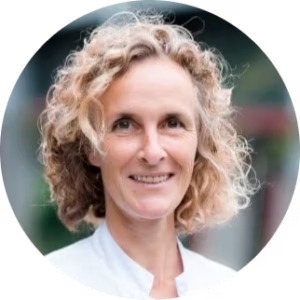
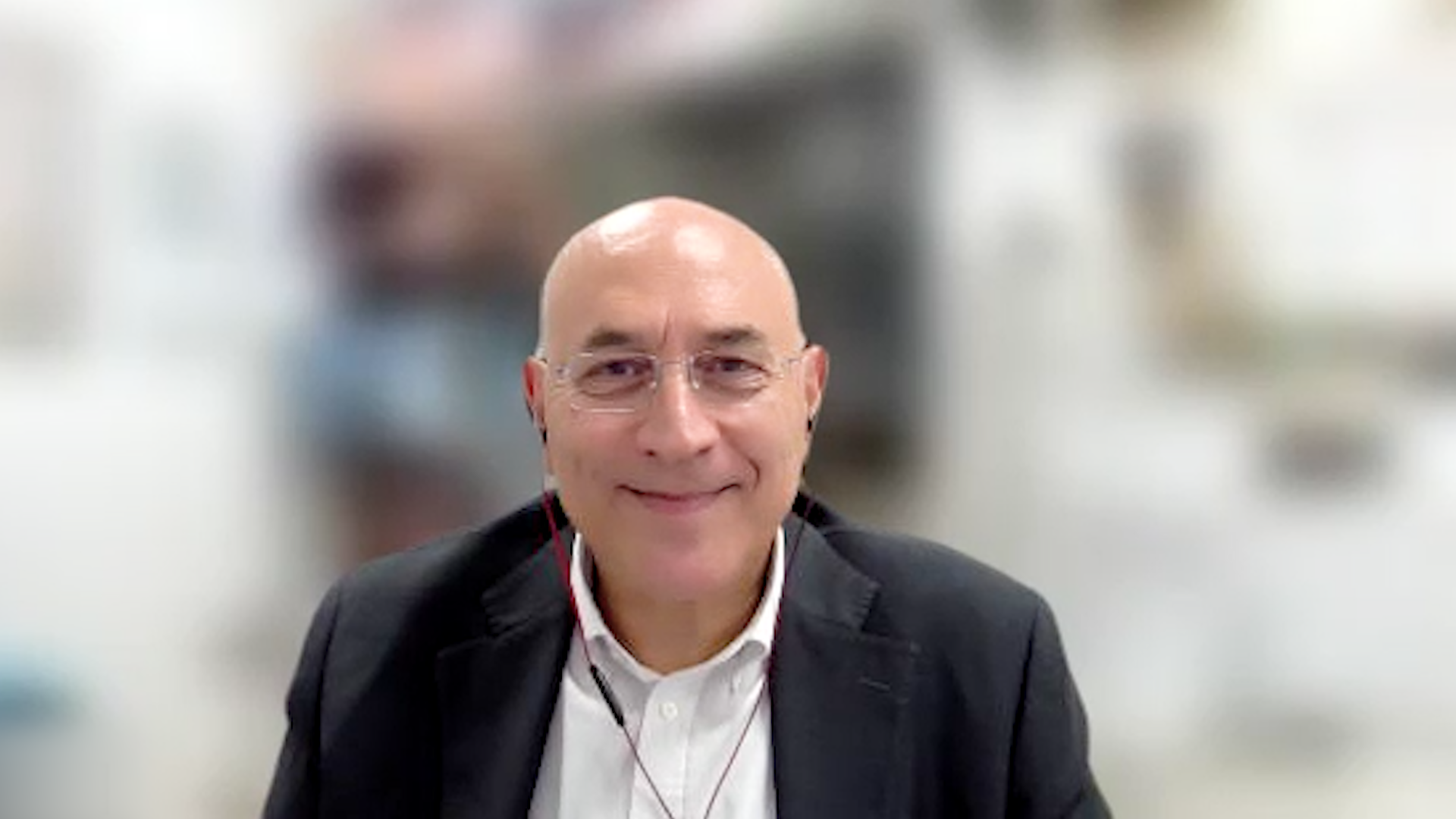
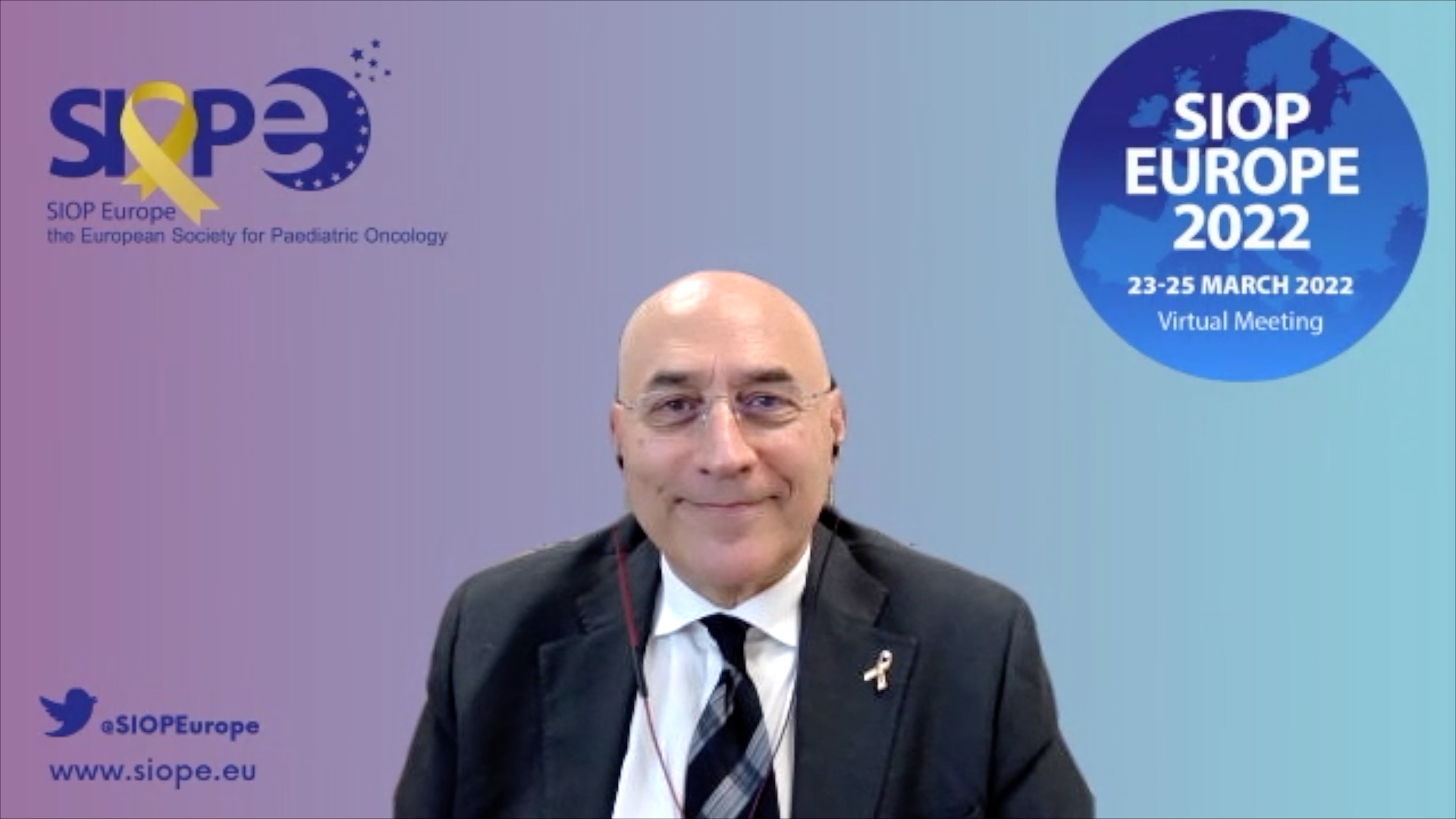
At the 7th SIOP Europe Annual Meeting, Professor Uta Dirksen (President, SIOP Europe) sets out a community-led vision for the future of paediatric oncology. Bringing together clinicians, researchers, nurses and patient advocates, the congress reflects a collaborative approach to shaping priorities across the field. Professor Dirksen is committed to reducing persistent inequalities in outcomes for children with cancer across Europe, alongside expanding access to clinical trials for rare and relapsed disease. She also highlights the growing importance of cross-border collaboration, policy engagement and the responsible integration of artificial intelligence to accelerate progress.
touchONCOLOGY coverage of SIOP Europe 2026
What are the central themes shaping this year’s meeting, and how do they reflect SIOP Europe’s priorities?
This meeting is quite unique because it is truly community-driven. We don’t impose central themes from the board; instead, the programme is shaped by our clinical trial groups, nursing community, working groups, and importantly, patient organisations. We hold multiple preparatory meetings to build the agenda together. That’s what makes this congress so dynamic and, I would say, very different from other scientific meetings. It reflects who we are as a community: collaborative, inclusive and focused on shared priorities.
What are your top priorities during your presidency?
A key priority is reducing inequalities across Europe. We still see clear disparities in outcomes, north to south, east to west, and even within western Europe, and these are often linked to economic differences. Addressing this requires a multifaceted approach. We’ve developed a strong educational portfolio and are expanding twinning programmes between institutions through the European Reference Networks. At the same time, we are working closely with patient and parent organisations, particularly through CCI Europe, to strengthen advocacy at the political level. Engagement with the European Parliament is critical, especially as pharmaceutical legislation evolves. We’ve worked hard to ensure that childhood cancer remains visible in these discussions. With upcoming EU budget decisions, it’s vital that health, and particularly rare diseases and paediatric cancers, remain a priority.
What progress is being made in clinical trials, particularly for rare and relapsed cancers?
Conducting trials in rare diseases is always difficult, but we’ve made important progress. One example is our collaboration with the ACCELERATE platform, which brings together clinicians, researchers and industry partners to align on priorities and trial design. This has helped initiate new studies in areas of unmet need. We’re also benefiting from European regulatory advances. The Clinical Trials Information System (CTIS) now allows trials to be opened across multiple countries much more efficiently. Previously, this had to be done country by country, which was extremely time-consuming. For childhood cancers, where patient numbers are fortunately small, cross-border collaboration is essential. No single country can run these trials alone, so this kind of harmonization is a major step forward.
Looking ahead 5–10 years, what advances do you expect to transform paediatric oncology?
Artificial intelligence will play an increasingly important role, particularly in rare diseases. If implemented safely, AI tools could allow us to integrate and analyze data from multiple countries, accelerating research and improving clinical decision-making. However, safety is paramount. We need robust, GDPR-compliant systems that protect patient data while enabling innovation. This also requires education; helping clinicians and young researchers understand both the potential and the risks of these technologies. If we approach this carefully, AI could become a powerful tool to advance both research and care.
This content has been developed independently by Touch Medical Media for touchONCOLOGY in collaboration with SIOP Europe and Professor Dirksen. Views expressed are the speaker’s own and do not necessarily reflect the views of Touch Medical Media.
Disclosure: Uta Dirksen has no financial or non-financial conflicts of interest to declare in relation to this interview.
Cite: Uta Dirksen on the power of collaboration in reducing inequalities in childhood cancer. touchONCOLOGY. 12th May 2026.
Interviewer: Caroline Markham