
Diagnostics and Screening

With the European Society for Medical Oncology (ESMO) Congress 2026 fast approaching, attention is turning to Madrid, where the meeting is held from 23–27th October. Whether you are joining onsite or via the virtual platform, the three Presidential Symposia are the sessions not to miss. This year they carry 12 late-breaking abstracts (LBAs) spanning melanoma, lung, genitourinary, gastrointestinal, gynecological and rare cancers. With close to 300 scientific and educational sessions to choose from, we know the programme can feel overwhelming. So we have put together a quick guide to the headline sessions: when and where they run, who is presenting, and links to explore each one in the programme planner, so you can decide which to prioritize.
The European Society for Medical Oncology (ESMO) Congress 2026 promises a compelling program of clinical data, spanning personalized cancer vaccines, next-generation antibody–drug conjugates (ADCs) and novel approaches to targeted therapy and immunotherapy. With several studies already generating excitement following positive topline announcements, all eyes will be on the full results and their potential implications for clinical practice. Below, we highlight the 12 presidential abstracts to watch, the key findings to look out for and the questions these studies could help answer.


The 38th Annual Congress of the European Association of Nuclear Medicine (EANM) in Barcelona brought together over 9,400 participants, marking a major milestone. The meeting highlighted major advances in oncologic imaging and theranostics, with a strong emphasis on precision medicine and combination treatment strategies. Across plenary sessions, debates, and late-breaking discussions, the meeting underscored how nuclear medicine is increasingly central to cancer diagnosis, treatment selection, and therapeutic delivery.

The plenary session at the AACR Annual Meeting 2026 brought sharp focus to one of oncology’s most urgent challenges: the global rise in early-onset cancers. Across four complementary presentations, speakers combined epidemiology, molecular biology and clinical insight to frame a multifactorial, and still evolving, picture of risk in younger populations. Below, we have broken down the key points and take-home messages from the session.
February has already been very busy across regulation, clinical research and community awareness - and we're only half way through! See below a round-up of the main breakthroughs and what to look out for during the rest of the month. ...

2025 has brought exciting developments in oncology, with groundbreaking research and real-world progress showcased at ASCO, ESMO, EHA, ASH and many more leading conferences around the world. We asked our key faculty to share what they believe has been most impactful so far this year – here’s what they told us.
The European Society for Medical Oncology (ESMO) 2025 congress brought over 100 late-breaking abstracts, 250 sessions, 600 expert speakers and 33,800 delegates to Berlin in October. The meeting highlighted innovations ranging from novel agents to real-world evidence and patient-centred care. In this article, hear from the experts on the key breakthroughs and clinical insights set to shape the future of oncology practice.

The European Society for Medical Oncology (ESMO) 2025 congress brought over 100 late-breaking abstracts, 250 sessions, 600 expert speakers and 33,800 delegates to Berlin in October. The meeting highlighted innovations ranging from novel agents to real-world evidence and patient-centred care. In this article, hear from the experts on the key breakthroughs and clinical insights set to shape the future of oncology practice.
At ESMO25, late-breaking data from the PATHFINDER 2 trial highlighted the Galleri multi-cancer early detection (MCED) test’s potential to transform cancer screening. Detecting early-stage cancers across multiple tissues, the test showed a 62% positive predictive value and identified over seven times more screen-detected cancers than current methods. Complementing standard screening programs, MCED tests could bridge the gap for cancers without routine screening.

With the second half of 2025 underway, we asked our touchONCOLOGY Future Leaders 2025 to share the developments they believe will shape the future of the field. Here, they highlight five exciting areas that promise to transform practice – not only as the year draws to a close, but well into the future.

The newly released Lancet Commission on hepatocellular carcinoma (HCC) is a powerful wake-up call to the global health community. It highlights that more than 60% of liver cancer cases are preventable through action on hepatitis, metabolic dysfunction-associated steatotic liver disease (MASLD) and alcohol use. Without intervention, HCC cases could double by 2050 – reaching over 1.5 million new cases annually and 1.37 million deaths.

The first half of 2025 has brought exciting developments in oncology, with groundbreaking research and real-world progress showcased at ASCO, EHA and many more leading conferences around the world. We asked five of our touchONCOLOGY Future Leaders 2025 to share what they believe has been most impactful so far this year – here’s what they told us.

This year, we are celebrating our inaugural touchONCOLOGY Future Leaders to recognize the outstanding talent that has entered our field in recent years. These individuals are set to innovate and transform oncology and haematology in the years to come.

In line with the continuously expanding molecular landscape of cancer, the ESMO Precision Medicine Working Group (PMWG) has revised its recommendations for tumour next-generation sequencing (NGS).
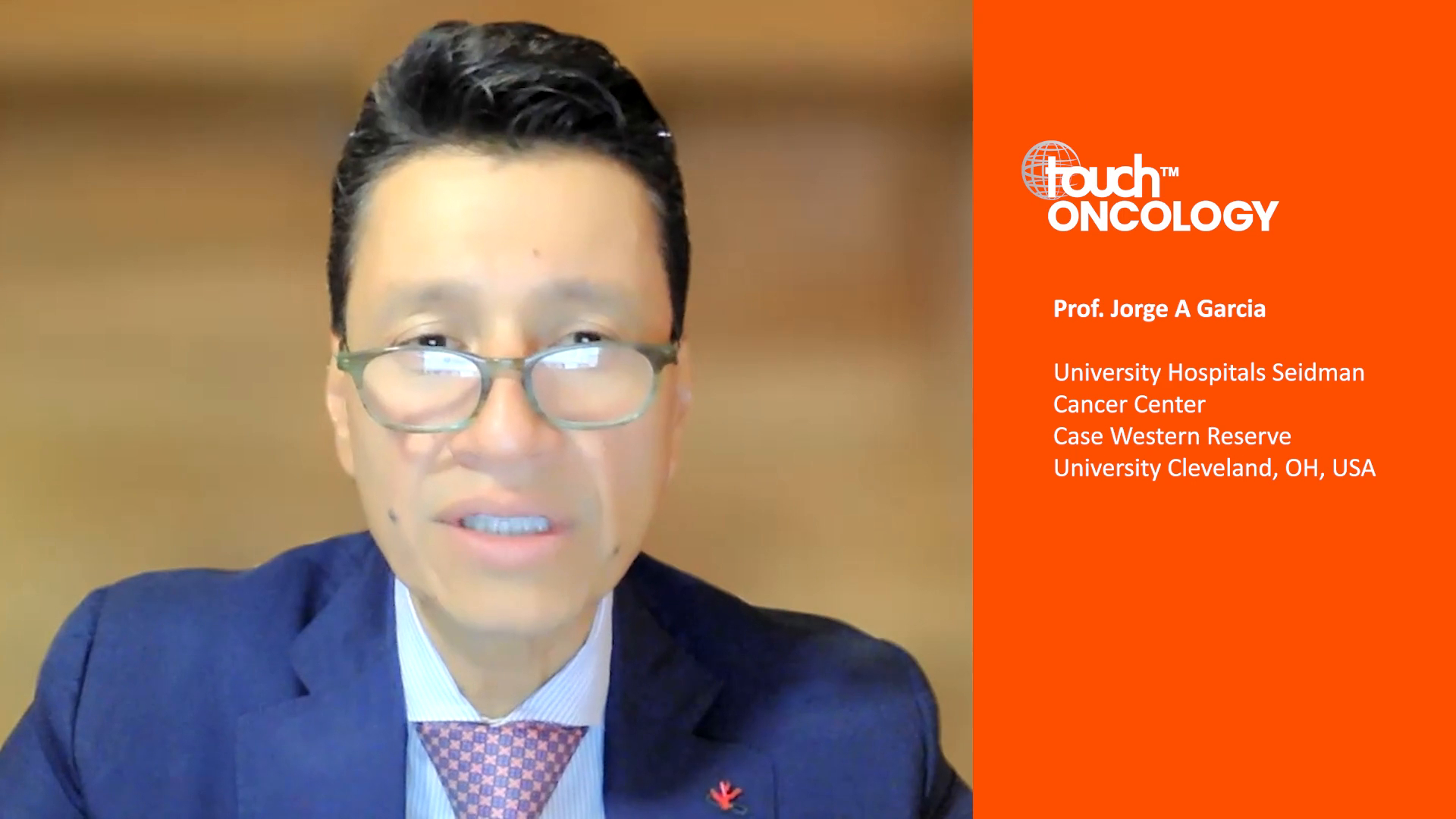
Following a scientific primer, the role of radiopharmaceuticals in the management of neuroendocrine tumours and prostate cancer, alongside approaches to support clinical implementation, are explored by leading experts.
Log into your Touch Account
Keep track of your clinical interests and newsletter subscriptions.
Sign up with an Email
Or use a .
Register now for FREE access
Already registered? Login below.