
Policy
An Introduction to Policy
Cancer care is a demanding yet rapidly evolving field, and it’s crucial for healthcare professionals, organizations and patients to have access to clear policies. touchONCOLOGY supports individuals, organizations and societies that advocate for impactful policy changes by fostering collaboration and consensus within the oncology community on key issues in cancer care. In partnership with the European Cancer Organisation, touchONCOLOGY has developed video content and brief articles to highlight important policy challenges in the field.
Our supporting partners do not constitute an endorsement of the content on this page.


Translating scientific advances into meaningful improvements in cancer care requires more than innovation alone. At the European Cancer Summit in Brussels, Ebba Hallersjö Hult explores the importance of cross-sector collaboration, sustainable implementation and equitable access to precision cancer medicine.

As advances in cancer diagnosis and treatment expand patient options, ensuring informed decision-making and equitable access to high-quality care remains a key challenge across Europe. At the European Cancer Summit 2026, the European Cancer Organisation (ECO) launched the second edition of ...

As Europe's Beating Cancer Plan approaches its 2027 milestone, attention is increasingly turning to how progress can be sustained and translated into meaningful improvements for patients. At the European Cancer Summit 2026, Professor Mark Lawler discusses the priorities facing Europe's cancer community. From strengthening the security and resilience of cancer services to maintaining investment beyond 2027 and addressing financial discrimination against cancer survivors, he emphasizes why continued action and implementation are essential to building on Europe's progress.

Speaking at the European Cancer Summit 2026, Prof Thomas Seufferlein (Co-Chair, Prevention, Early Detection and Screening Committee of the European Cancer Organisation and Professor of Gastroenterology at Ulm University, Germany), shares his perspectives on the future of cancer screening in Europe. He discusses how improved risk assessment, artificial intelligence and implementation research could help make prevention strategies more targeted and effective.


With the European Society for Medical Oncology (ESMO) Congress 2026 fast approaching, attention is turning to Madrid, where the meeting is held from 23–27th October. Whether you are joining onsite or via the virtual platform, the three Presidential Symposia are the sessions not to miss. This year they carry 12 late-breaking abstracts (LBAs) spanning melanoma, lung, genitourinary, gastrointestinal, gynecological and rare cancers. With close to 300 scientific and educational sessions to choose from, we know the programme can feel overwhelming. So we have put together a quick guide to the headline sessions: when and where they run, who is presenting, and links to explore each one in the programme planner, so you can decide which to prioritize.

As EORTC enters a new chapter under the Presidency of Professor Benjamin Besse (Gustave Roussy Institute and Paris-Saclay University, Villejuif, France), the organization is looking to accelerate academic research while keeping patients and scientific independence at its core. In this detailed and in-depth Q&A, Prof Besse shares his priorities for EORTC, from supporting the next generation of investigators and broadening clinical trial populations, to giving greater weight to quality of life and patient perspectives. He also considers how emerging technologies, including artificial intelligence, could reshape the way cancer research is conducted.

Dr Bishal Gyawali on curiosity, communication and global oncology: touchONCOLOGY Future Leaders 2026
In this Future Leaders interview, Dr Gyawali discusses how patient-centered care, evidence-based practice and mentorship have shaped his career, and why curiosity, resilience and purpose are essential for the next generation of oncologists.

In this Future Leaders interview, Dr Soniya Dulal discusses the global mentors who shaped her career, the importance of building sustainable oncology systems in Nepal and how precision medicine, palliative care and international collaboration can improve patient outcomes in resource-limited settings.
February has already been very busy across regulation, clinical research and community awareness - and we're only half way through! See below a round-up of the main breakthroughs and what to look out for during the rest of the month. ...

The newly released Lancet Commission on hepatocellular carcinoma (HCC) is a powerful wake-up call to the global health community. It highlights that more than 60% of liver cancer cases are preventable through action on hepatitis, metabolic dysfunction-associated steatotic liver disease (MASLD) and alcohol use. Without intervention, HCC cases could double by 2050 – reaching over 1.5 million new cases annually and 1.37 million deaths.
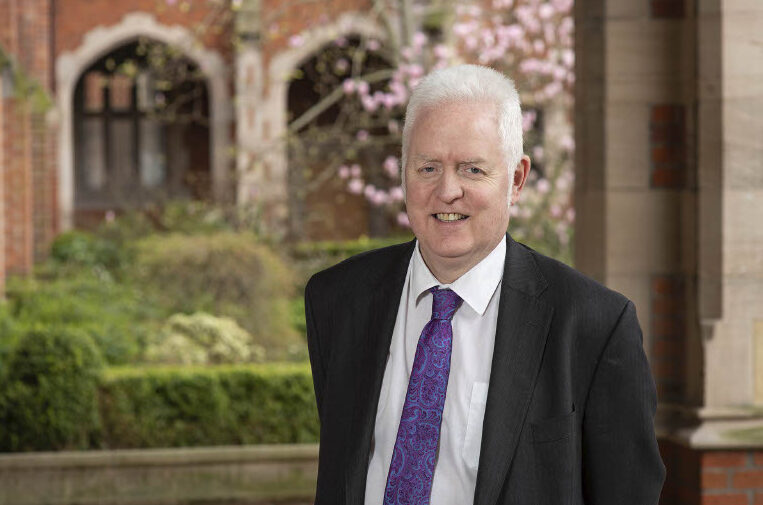
In this interview, Prof Mark Lawler discusses the Europe’s Beating Cancer Plan key achievements, challenges and future directions.

World Cancer Day is a campaign run by the Union for International Cancer Control (UICC). It is observed annually on February 4th, and unites the world in the fight against cancer. The theme for 2025–27, "United by Unique", highlights the individual ...

In this interview, we are joined by President-Elect of the European Cancer Organisation (ECO), Dr Isabel Teresa Rubio (Head of Breast Surgical Oncology at Clínica Universidad de Navarra, Professor of Surgery at the University of Navarra, Spain). She discusses ...

7 January 2025, Brussels - The European Cancer Organisation (ECO) is pleased to announce the appointment of Elisabetta Zanon as its new Chief Executive Officer, effective 3 February. Elisabetta is a senior professional with more than 20 years of experience in European affairs, much ...
The PrEvCan – Cancer Prevention Across Europe – campaign, initiated by the European Oncology Nursing Society (EONS) and supported by ESMO, aims to reduce the burden of cancer by promoting a different way we can decrease cancer risk each month. This August, ...
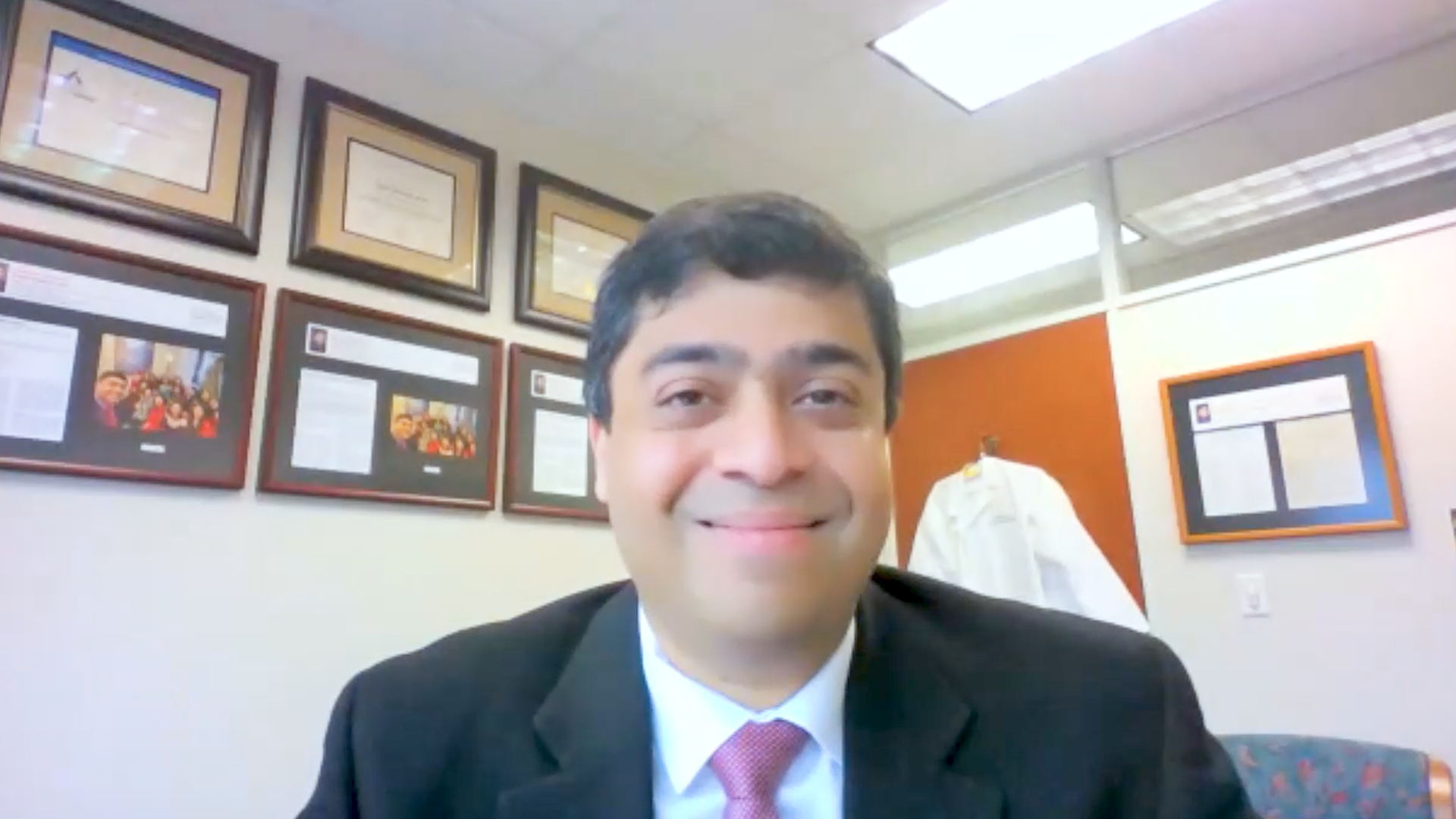
The purpose of phase I clinical trials are to evaluate the safety, dosage and potential side effects of a new drug or treatment in humans for the first time. In this touchONCOLOGY interview, we speak with Dr Vivek Subbiah (University ...
Log into your Touch Account
Keep track of your clinical interests and newsletter subscriptions.
Sign up with an Email
Or use a .
Register now for FREE access
Already registered? Login below.
