
Rare Diseases
An Introduction to Rare Diseases
Rare cancers encompass a diverse group of malignancies that individually affect a limited number of patients. These diseases, while individually rare, collectively impact a significant portion of the population.
Current treatments often face challenges due to limited research and understanding, resulting in a lack of standardized therapeutic approaches. However, recent advancements in oncology have sparked a renewed focus on these less common malignancies. Precision medicine, immunotherapies, and targeted therapies are emerging as promising avenues, tailoring treatments to the specific genetic and molecular characteristics of each rare cancer.
Expert video highlights and insights from the conference hub and comprehensive peer-reviewed articles from our journal portfolio provide updates on the changing treatment landscape. To learn more about how the latest developments impact on patient outcomes view our expert-led learning activities.
Our supporting partners do not constitute an endorsement of the content on this page.

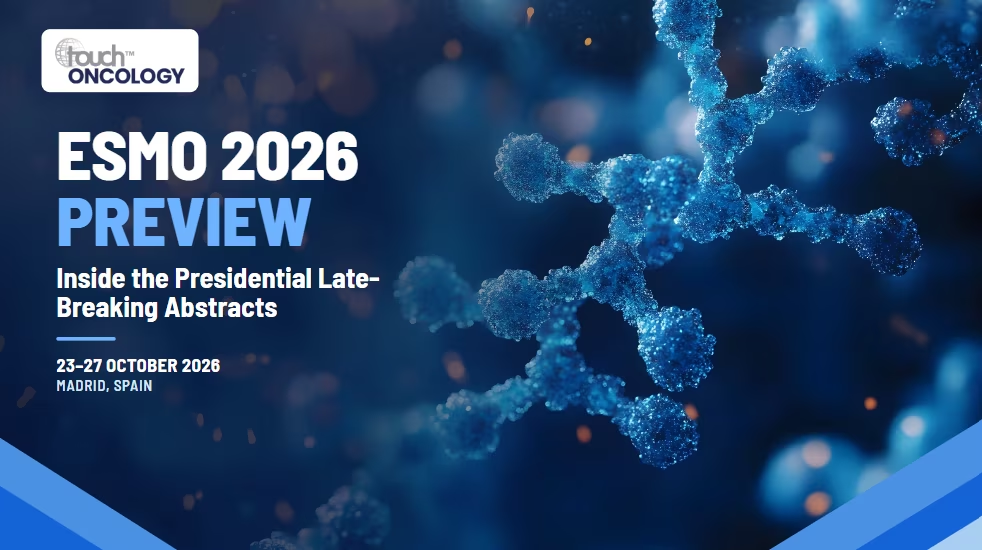
The European Society for Medical Oncology (ESMO) Congress 2026 promises a compelling program of clinical data, spanning personalized cancer vaccines, next-generation antibody–drug conjugates (ADCs) and novel approaches to targeted therapy and immunotherapy. With several studies already generating excitement following positive topline announcements, all eyes will be on the full results and their potential implications for clinical practice. Below, we highlight the 12 presidential abstracts to watch, the key findings to look out for and the questions these studies could help answer.







Join us as leading experts discuss key data from the Plenary, Late-breaking and top oral sessions across each major disease area at ASCO 2026 touchONCOLOGY coverage of ASCO 2026 2026 American Society of Clinical Oncology (ASCO) Annual Meeting brought together the global oncology ...

See who the oncology community selected as the rising stars of 2026!

In this Future Leaders interview, Dr Di Carlo reflects on the mentors who shaped her career, the lessons of resilience and authenticity she carries forward, and the importance of aligning personal values with patient-centered care and lifelong learning in oncology.


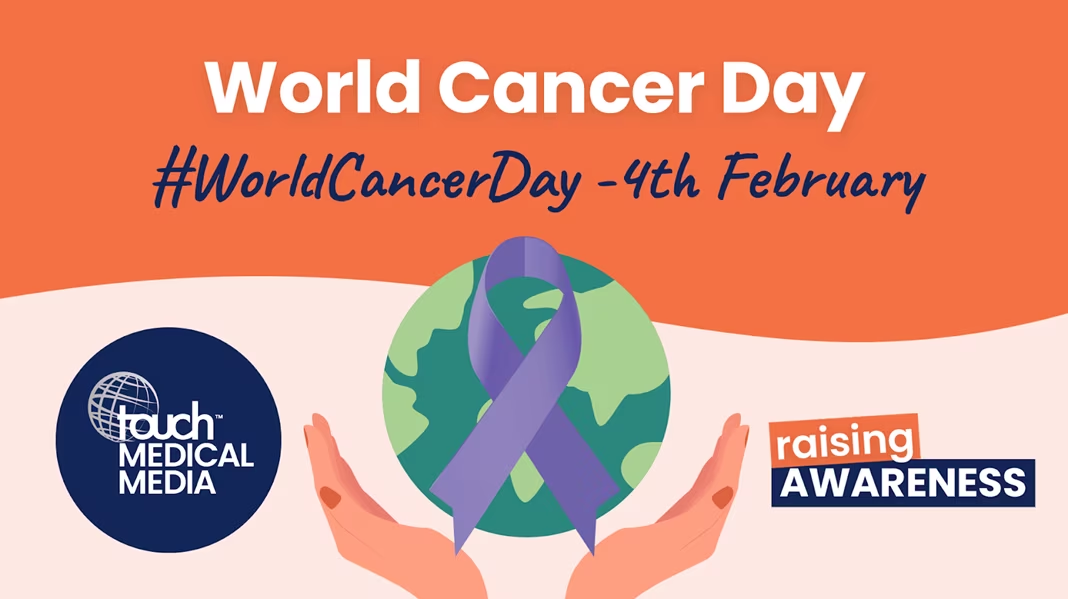
February has already been very busy across regulation, clinical research and community awareness - and we're only half way through! See below a round-up of the main breakthroughs and what to look out for during the rest of the month. ...

Q&A with Dr Benjamin Weinberg: Understanding rare GI cancers (small bowel, appendix and anal cancer)
Rare gastrointestinal (GI) cancers present unique challenges in diagnosis, treatment and research. Dr. Benjamin Weinberg discusses three of the rarest GI cancers: small bowel, appendix and anal cancer.

Log into your Touch Account
Keep track of your clinical interests and newsletter subscriptions.
Sign up with an Email
Or use a .
Register now for FREE access
Already registered? Login below.