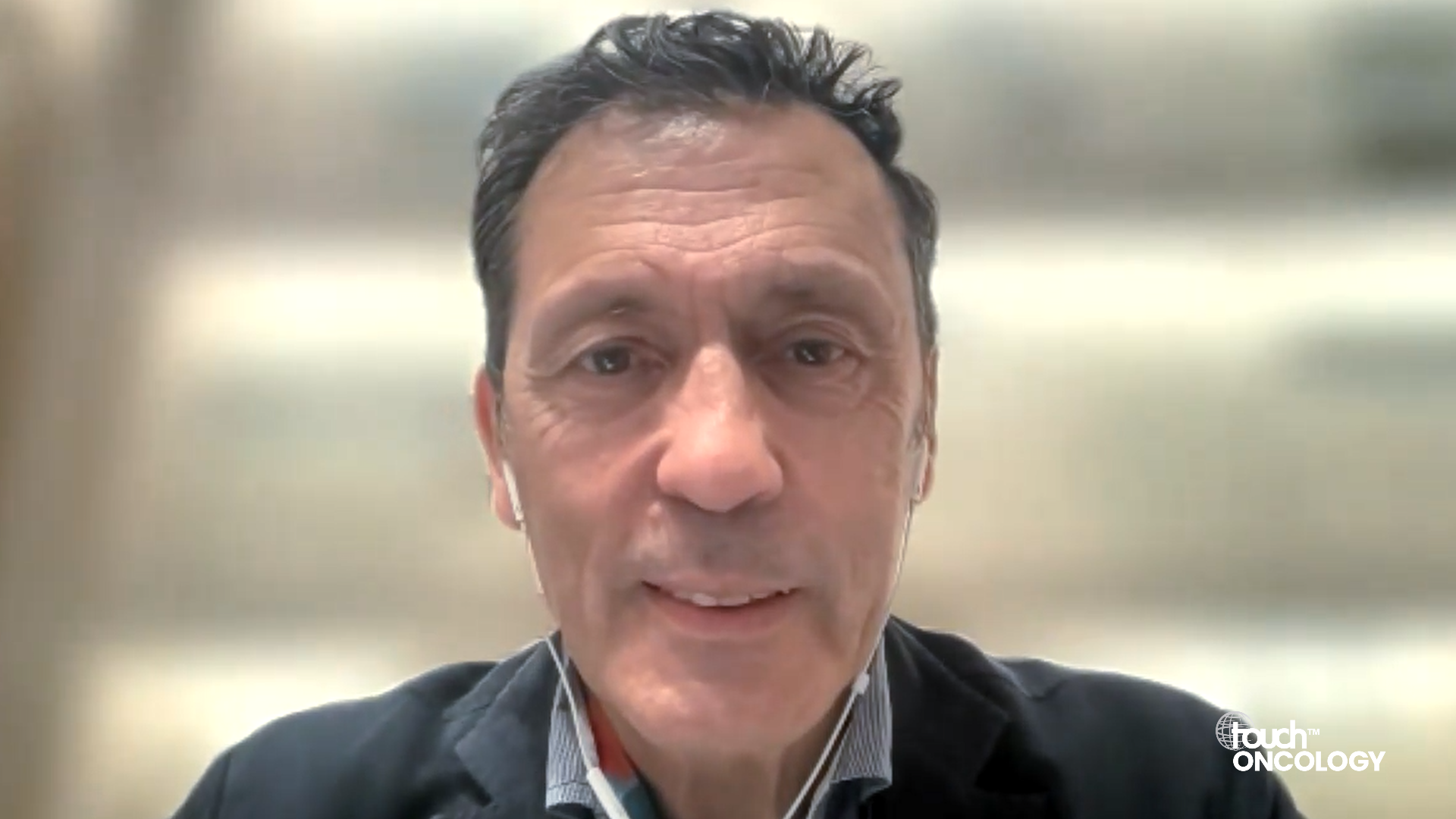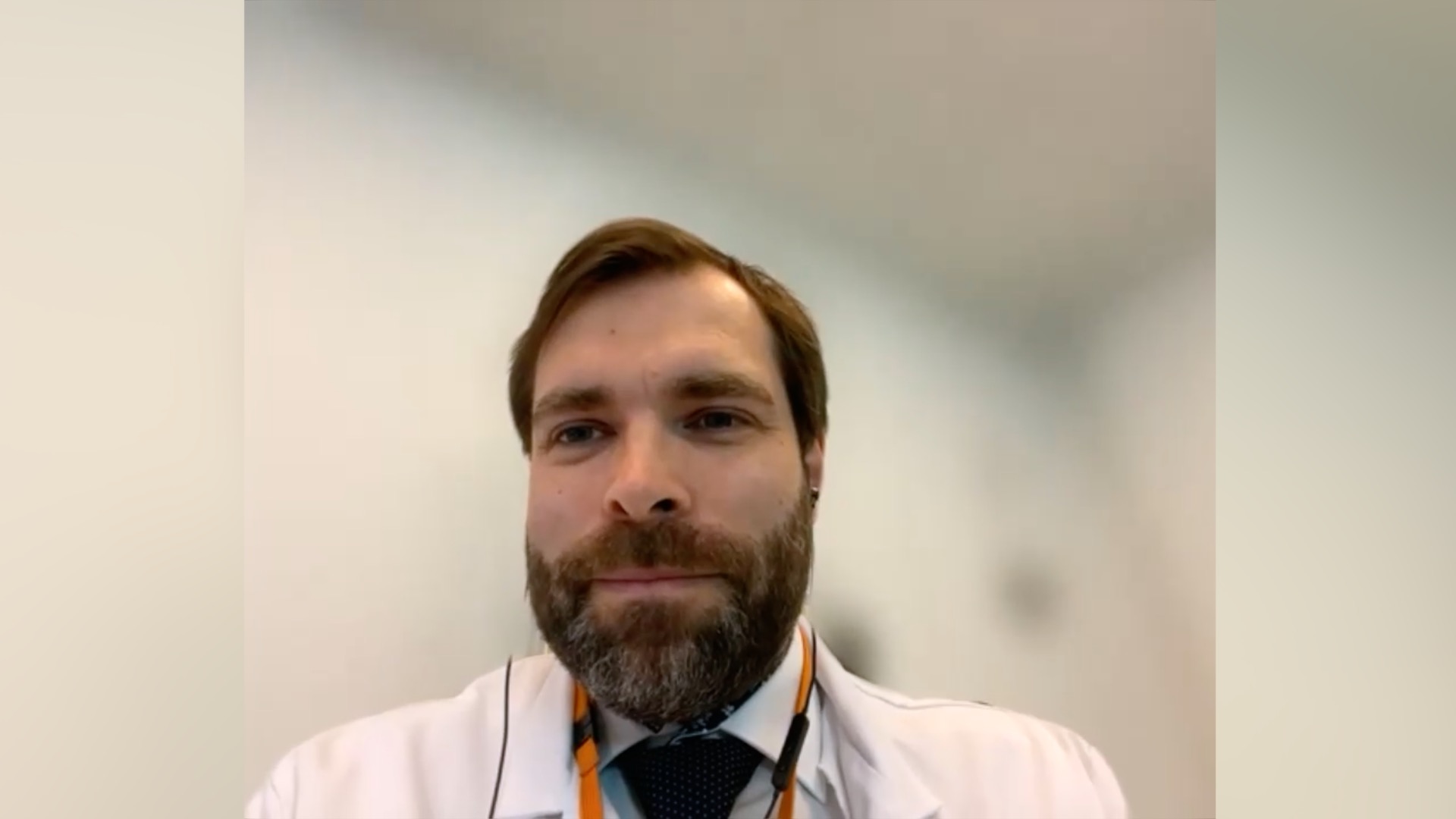
With #ASCO25 still fresh in our minds, touchONCOLOGY Editorial Board member Dr Gabriel Lenz (AdventHealth, Orlando, FL, USA) reflects on his top key breakthroughs and take-aways from the conference in non-small cell lung cancer (NSCLC).
The American Society of Clinical Oncology Annual Meeting was held on May 30 to June 3 2025 in Chicago, IL, USA.

Dr Gabriel Lenz
“CheckMate 816 (Abstract #LBA8000)
Presented by Dr Patrick M. Forde, et al., this phase III trial (ClinicalTrials.gov identifier: NCT02998528) evaluated neoadjuvant Nivolumab plus chemotherapy (Q3W for 3 cycles) versus chemotherapy alone, followed by surgery in patients with stage IB–IIIA resectable NSCLC (n= 358). With a follow-up of 68 months, the study demonstrated a statistically significant overall survival (OS) benefit: OS was not reached in the nivolumab arm versus 73.7 months in the control (HR 0.72; p = 0.0479). Event-free survival (EFS) was also markedly improved: 59.6 vs 21.1 months (HR 0.68). Serious adverse events included pneumoniae and vomiting; no fatal treatment-related deaths were reported. Importantly, CheckMate 816 is the first only neoadjuvant-only immunotherapy phase III trial to show both statistically and clinically significant OS benefit at 5 y for any resectable solid tumor. Patients who achieved a pathological complete response (pCR) with nivolumab plus chemotherapy had an approximately 90% reduction in the risk of death at 5 years compared with those who did not achieved pCR.
Time-of-Day immunochemotherapy trial: Morning immunochemotherapy significantly improves survival in advanced NSCLC (Abstract 8516)
This randomized phase III trial (ClinicalTrials.gov identifier: NCT05549037) evaluated whether the timing of immunochemotherapy administration impacts survival outcomes in patients with advanced non-small cell lung cancer (NSCLC). Patients received first-line pembrolizumab or sintilimab combined with chemotherapy and were randomized 1:1 to receive their first four cycles of treatment before 15:00 (early time-of-day group) or after 15:01 (late time-of-day group). After a median follow-up of 18.9 months, patients treated earlier in the day had significantly improved outcomes: median progression-free survival was 13.2 months versus 6.5 months in the late group (hazard ratio [HR] 0.43; 95% CI, 0.31–0.60; p<0.0001), and median overall survival was not reached in the early group compared to 17.8 months in the late group (HR 0.43; 95% CI, 0.27–0.69; p=0.0003). The objective response rate was also higher with morning administration: 75.2% versus 56.2% (p=0.007). These benefits were consistent across subgroups defined by age, sex, performance status, histology, PD-L1 expression, and choice of ICI agent. Importantly, the safety profile was similar between arms, with no increase in toxicity observed in the early treatment group. This study provides the first prospective randomized evidence that the timing of immunochemotherapy administration can influence treatment efficacy in advanced NSCLC. Morning administration represents a simple, cost-free optimization strategy with potential for immediate integration into clinical practice.”
View full #ASCO25 coverage here!
Disclosures: Fatemeh Ardeshir-Larijani and Gabriel Lenz have no financial or non-financial conflicts of interest to declare in relation to this article.
This content has been developed independently by Touch Medical Media for touchONCOLOGY. It is not affiliated with the American Society of Clinical Oncology (ASCO). Views expressed are the speaker’s own and do not necessarily reflect the views of Touch Medical Media.
Cite: #ASCO25: What’s new and what matters in NSCLC. touchONCOLOGY. June 24th, 2025.
SIGN UP to touchONCOLOGY!
Join our global community today for access to thousands of peer-reviewed articles, expert insights, and learn-on-the-go education across 150+ specialties, plus concise email updates and newsletters so you never miss out.