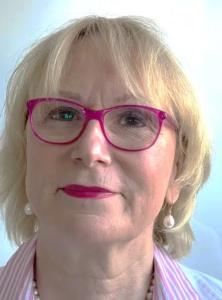
“Even today, my greatest motivation comes from the patients we serve and the next generation we train”
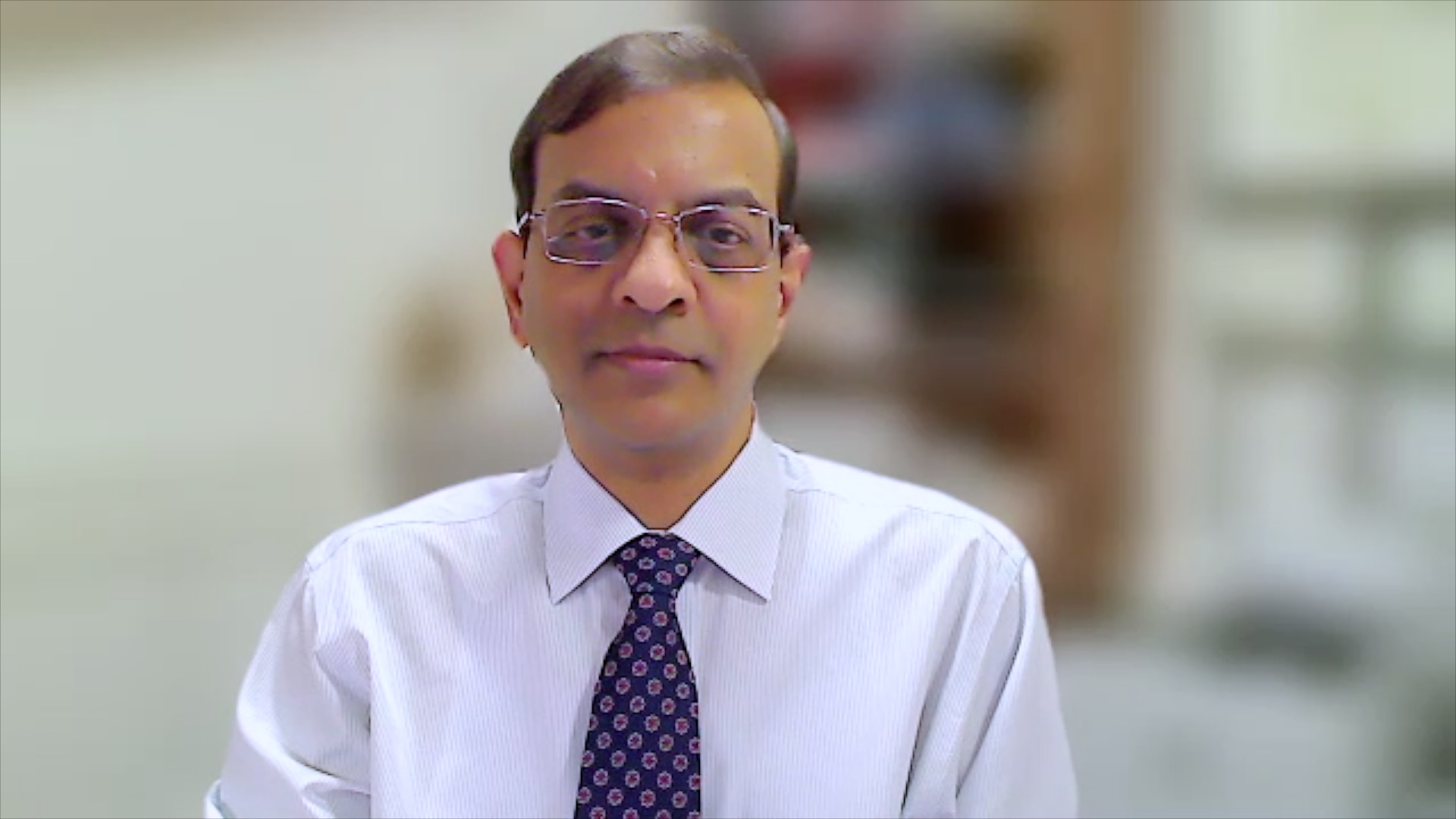
Prof Beate Rau (Senior Consultant Surgeon – Head of the Section Special Surgical Oncology, Berlin School of Integrative Oncology, Berlin, Germany) has dedicated her career to transforming outcomes for patients with gastrointestinal cancers and peritoneal metastases. Her recent recognition with the prestigious ESSO Medal reflects not only her clinical and academic achievements but also her commitment to mentorship, education and collaborative research. From her early days as a trainee inspired by the power of surgery to restore hope, to her pivotal role in advancing cytoreductive surgery (CRS) and hyperthermic intraperitoneal chemotherapy (HIPEC), Prof Rau has helped redefine what is possible in cancer care. Grounded by personal resilience and shaped by outstanding mentors, she continues to push boundaries in surgical oncology, envisioning a future of globally connected, patient-centered cancer care.
What does this recognition mean to you personally and professionally?
Thank you very much for the chance to give me the platform of an interview. Receiving the ESSO Medal is a tremendous honour, both personally and professionally. Personally, it is deeply gratifying to have my work recognized by the broad surgical oncology community. It motivates me a lot, but it also comes with responsibility. Professionally, this recognition highlights the importance of collaborative research and clinical advancements that improve patient outcomes. It reinforces my commitment to advancing surgical oncology through education, research, and patient care, and inspires me to mentor the next generation of surgeons and researchers. Overall, the ESSO Medal symbolizes a milestone in my career, encouraging me to keep pushing the boundaries for the benefit of our patients and the field as a whole.
Can you tell us about your own journey into surgical oncology – were there pivotal moments or role models that shaped your leadership path?
My journey into general surgery and surgical oncology has been shaped by a combination of wonderful and challenging moments and inspiring role models. Early in my training, I was deeply moved by the profound impact that surgery can have on cancer patients – not only in terms of treatment but also in restoring hope and quality of life. By 1992, I had specialized in surgical oncology, focusing solely on gastro-intestinal cancer patients. Training in tertiary university hospitals enabled me to bridge my knowledge and understanding of how surgical expertise could profoundly impact outcomes.
Early on, treatment options for metastatic disease were limited and not available. I grew up with cancer treatment developments in all directions – medical oncology with new drugs and surgical oncology with very helpful modern technical devices, which are helpful to treat advanced stages safely. This motivated me to pursue advancements that could offer new hope. In 1996, I encountered peritoneal surface malignancies (PSM), and by 1998 I began working with cytoreductive surgery (CRS) for peritoneal metastases. Though initially skeptical, I came to see its transformative potential. I helped introduce staging laparoscopy to better detect abdominal metastases and gradually recognized that selected patients could benefit significantly from peritoneal resection.
A key turning point was working alongside mentors who exemplified not only surgical excellence but also compassionate patient care and academic rigor like Dr Paul Sugarbaker and my mentors Prof Ingolf Vogt-Moykopf, Prof Peter Schlag, Prof Peter Hohenberger and others. I built a strong foundation, progressing from basic surgical care to advanced procedures. Throughout my career, I have been fortunate to learn from these remarkable colleagues who encouraged me to take on leadership roles, always emphasizing the importance of teamwork, mentorship and lifelong learning.
One of my proudest achievements was developing the CRS and hyperthermic intraperitoneal chemotherapy (HIPEC) course with the European Society of Surgical Oncology (ESSO) and leading the GASTRIPEC trial for gastric cancer. Education became central to my work – I committed to training the next generation of surgeons in complex oncologic procedures.
While I sometimes wish I had published more or pursued more personal topics, I look ahead with a vision: a global platform for surgeons to connect, learn, and improve cancer care standards. Surgery, for me, has always been more than technique – it’s about being part of a continuous journey of hope, progress and human connection. And today, alongside this professional path, time with my husband and my family is a vital source of strength and balance.
About the European Society of Surgical Oncology (ESSO)
The European Society of Surgical Oncology (ESSO) is the leading professional organization for surgical oncologists in Europe, dedicated to advancing the science and practice of cancer surgery. ESSO fosters high standards in surgical oncology through education, research and multidisciplinary collaboration. It offers specialized training courses, fellowships and guidelines to support continuous professional development and improve patient outcomes. By connecting surgeons across Europe and beyond, ESSO promotes innovation, knowledge exchange, and leadership in oncologic surgery. The society also advocates for the integration of surgical oncology into comprehensive cancer care and plays a vital role in shaping European cancer policy and practice.
Disclosure: This short article was prepared by touchONCOLOGY in collaboration with the European Society of Surgical Oncology (ESSO). No fees or funding were associated with its publication.
Cite: 2025 ESSO Medal Winner Prof. Beate Rau on her journey in surgical oncology. touchONCOLOGY. July 22nd, 2025
SIGN UP to touchONCOLOGY!
Join our global community today for access to thousands of peer-reviewed articles, expert insights, and learn-on-the-go education across 150+ specialties, plus concise email updates and newsletters so you never miss out.