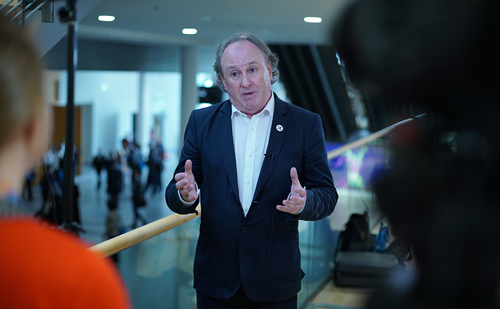
From AI and real-time toxicity monitoring to exercise and behavioural interventions, Prof Joanne Bowen explores the innovations reshaping supportive cancer care and outlines MASCC’s priorities for translating emerging evidence into meaningful improvements for patients.
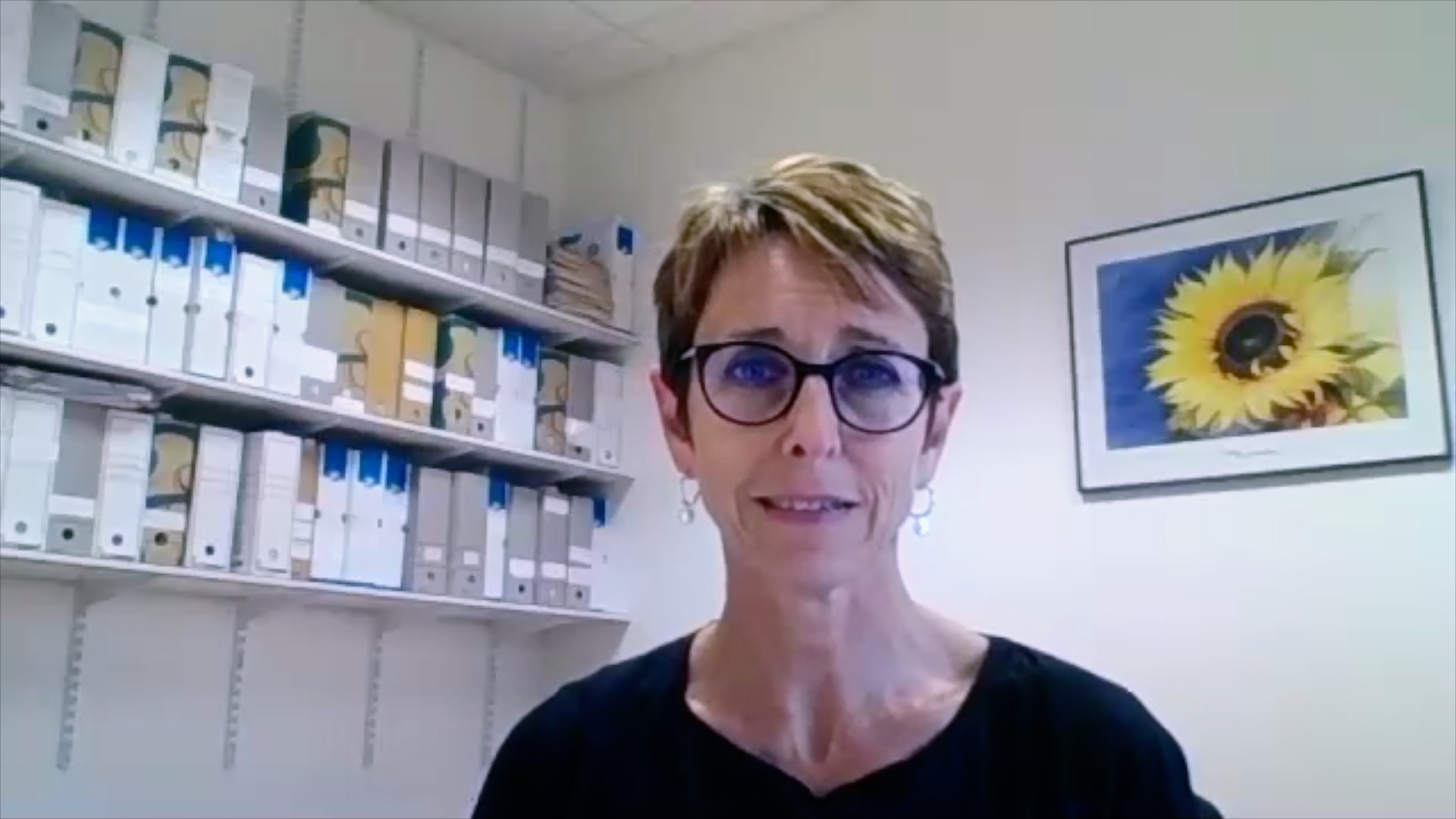
Prof Joanne Bowen, Chair of the 2025 and 2026 MASCC/ISOO Annual Meetings, reflects on the key themes and emerging developments from the 2026 meeting in Melbourne. She discusses the changing role of supportive oncology within modern cancer care and considers how the field can continue to respond to the needs of people living with and beyond cancer. She also highlights the importance of ensuring that advances are accessible and equitable for everyone affected by cancer.

What do you see as the defining highlights of this year’s MASCC/ISOO 2026 Annual Meeting in Melbourne?
The thing that most stands out for me was the overwhelming sense of collegiality and enthusiasm for supportive care demonstrated by delegates across the three days. The program really highlighted the impact of collaboration and the importance of embedding inclusive practice across the care continuum. The role of patient partners was spotlighted throughout the Plenaries, and for me this emphasised the progress we have seen in making space for diverse perspectives in supportive care over the last decade. I was also struck by how strongly the meeting connected innovation with implementation, asking not only what is possible, but how we can make better supportive care accessible to everyone who needs it.
Supportive oncology is evolving rapidly alongside advances in cancer treatment. Which presentations or emerging data presented at this year’s meeting do you believe have the greatest potential to influence clinical practice or improve outcomes for patients in the near future?
In my opinion, the research presented in the Lifestyle and Behavioural Interventions plenary, and the joint session with the International Cardio-Oncology Society, positions exercise and lifestyle interventions as a new frontier in clinical practice, with the potential to profoundly influence patient outcomes. The evidence increasingly supports exercise not simply as an adjunct to cancer care, but as an important component of treatment and survivorship. In parallel, the session on AI for optimising toxicity management of novel therapies demonstrated just how quickly the field is evolving, and the opportunities to use AI and predictive models to personalise supportive care. The discussions around emerging toxicities from immunotherapy, antibody-drug conjugates and cellular therapies also reinforced how rapidly supportive care needs to evolve alongside cancer treatment.
This year’s meeting focused on coordinated, individualized supportive care and improving equitable access to supportive interventions. From your perspective, what are the most exciting innovations currently transforming supportive cancer care, and where do you see the greatest unmet needs remaining?
The most exciting innovations focus on using digital health and telehealth, AI, biomarkers and real-time monitoring to predict and prevent toxicities, alongside evidence-based exercise, nutrition, integrative and behavioural interventions. I am particularly excited by the move towards precision supportive care; using individual patient characteristics to anticipate who is most likely to experience a particular toxicity and intervene earlier. The challenge is translating these innovations into equitable, accessible care. Our greatest unmet need remains closing the gap between what we know works and what patients actually receive, particularly for underserved populations, including those in rural and remote communities, First Nations Peoples and people experiencing financial or other barriers to care. We also need system-level strategies to prevent and manage the long-term toxicities of increasingly complex cancer therapies.
MASCC brings together experts from a wide range of disciplines, reflecting the increasingly multidisciplinary nature of supportive care. How important is this collaborative approach in addressing the complex needs of people living with and beyond cancer?
Multidisciplinary collaboration is absolutely fundamental in supportive care. The real strength of MASCC is bringing different perspectives together to move beyond managing individual toxicities towards holistic, personalized care. This reflects the complexity faced by people living with and beyond cancer and the interconnected physical, psychological, social and functional challenges that no single discipline can address alone. Collaboration also accelerates innovation by connecting physicians, researchers, allied health professionals, patient partners and other stakeholders to identify gaps in care, select meaningful priorities and ultimately translate new evidence into practice. Importantly, this also extends beyond the clinical team, with the MASCC meeting demonstrating clearly that we need to understand the experiences of carers, families and people living with cancer if we are to design supportive care that genuinely meets their needs.
Following the momentum of the Melbourne meeting, what can the oncology community look forward to from MASCC over the coming months? Are there any upcoming guidelines, educational initiatives, research collaborations or strategic priorities that you are particularly excited to share?
Although Melbourne is over, plans are already well underway for Rotterdam in 2027. The meeting will build on the momentum of 2026, with a strong focus on digital innovation and the future workforce, reducing disparities in supportive care, integrating research and practice, and precision supportive care through biomarkers and toxicity prediction. These themes reflect where I think the field is heading.
In the lead-up to Rotterdam, several projects are underway, including clinical practice updates addressing areas such as mucositis, cognitive impairment and targeted therapy-related diarrhea. I am also particularly excited about the work of the newly formed MASCC Research Committee. We have a number of priorities focused on enhancing the impact of supportive care research, including skills-based workshops and practical approaches to help MASCC members strengthen research translation and impact. The goal is not simply to generate more evidence, but to help ensure that good evidence changes practice and improves the lives of people affected by cancer. Watch this space!
This content has been developed independently by Touch Medical Media for touchONCOLOGY in collaboration with the Multinational Association of Supportive Care in Cancer (MASCC). Views expressed are the speaker’s own and do not necessarily reflect the views of Touch Medical Media.
Cite: The future of supportive cancer care: Insights from MASCC/ISOO 2026. touchONCOLOGY. 8th September 2026.
Editor: Sophie Nickelson