
Head and Neck Cancer


Emerging strategies in head and neck cancer focus on personalizing therapy and reducing toxicity. ctDNA-guided chemotherapy with pembrolizumab in recurrent HNSCC achieved a 73% response rate, while ozuriftamab vedotin showed promising activity in pretreated HPV-positive OPSCC. Long-term results from the Quarterback trials indicate that reduced-dose chemoradiation after induction chemotherapy maintains durable control in selected patients. These findings support further exploration of molecular-guided, targeted, and de-escalated approaches to optimize outcomes.

The European Society for Medical Oncology (ESMO) 2025 congress brought over 100 late-breaking abstracts, 250 sessions, 600 expert speakers and 33,800 delegates to Berlin in October. The meeting highlighted innovations ranging from novel agents to real-world evidence and patient-centred care. In this article, hear from the experts on the key breakthroughs and clinical insights set to shape the future of oncology practice.
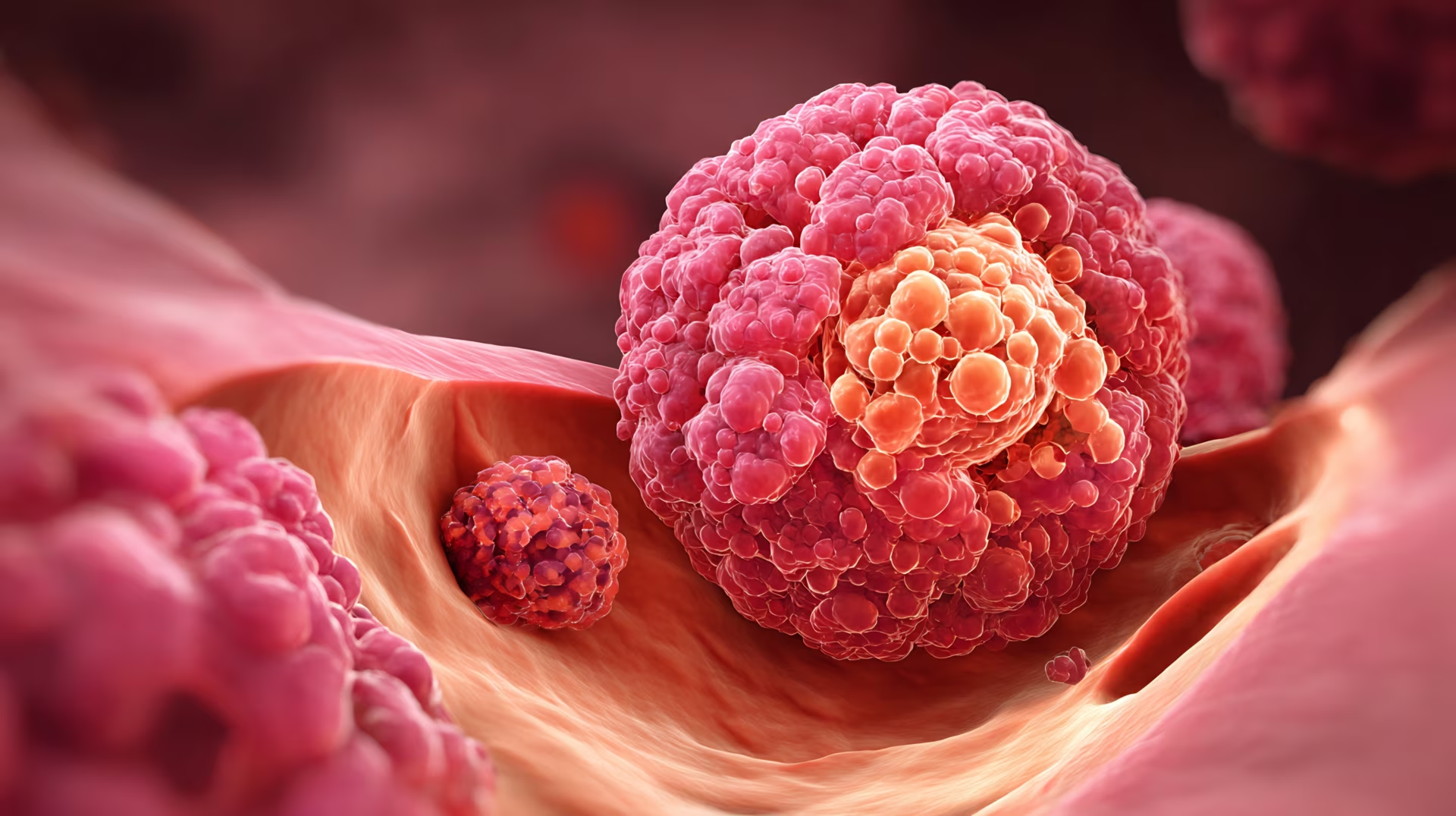
At ESMO25, oesophageal cancer care made substantive headway: the MATTERHORN trial established a significant overall survival benefit with perioperative durvalumab plus FLOT, while SKYSCRAPER-07 offered a provocative signal of benefit for adjuvant atezolizumab after chemoradiation in squamous disease. In this interview with Dr Michael Gibson we unpack the data, the implications for multidisciplinary practice and the future research direction.







With the second half of 2025 underway, we asked our touchONCOLOGY Future Leaders 2025 to share the developments they believe will shape the future of the field. Here, they highlight five exciting areas that promise to transform practice – not only as the year draws to a close, but well into the future.

The first half of 2025 has brought exciting developments in oncology, with groundbreaking research and real-world progress showcased at ASCO, EHA and many more leading conferences around the world. We asked five of our touchONCOLOGY Future Leaders 2025 to share what they believe has been most impactful so far this year – here’s what they told us.

What if your medical degree could launch more than a clinical career? In this candid and compelling read, Dr Jon Edelson shares his lessons for early-career clinicians ready to think beyond the bedside and explore the business of medicine.

This year, we are celebrating our inaugural touchONCOLOGY Future Leaders to recognize the outstanding talent that has entered our field in recent years. These individuals are set to innovate and transform oncology and haematology in the years to come.

We are delighted to present the latest edition of touchREVIEWS in Oncology & Haematology. This issue underscores the evolving landscape of cancer therapeutics, showcasing advances across a wide range of malignancies, from haematologic diseases to solid tumours, through novel mechanisms, ...

Head and neck cancer (HNC), with over 946,000 new cases and 482,000 deaths in 2022, is the seventh most common cause of cancer-related deaths globally.1 Specifically, in the USA, the number of estimated new cases in 2024 was 74,000.2 Head and neck squamous cell carcinoma (...
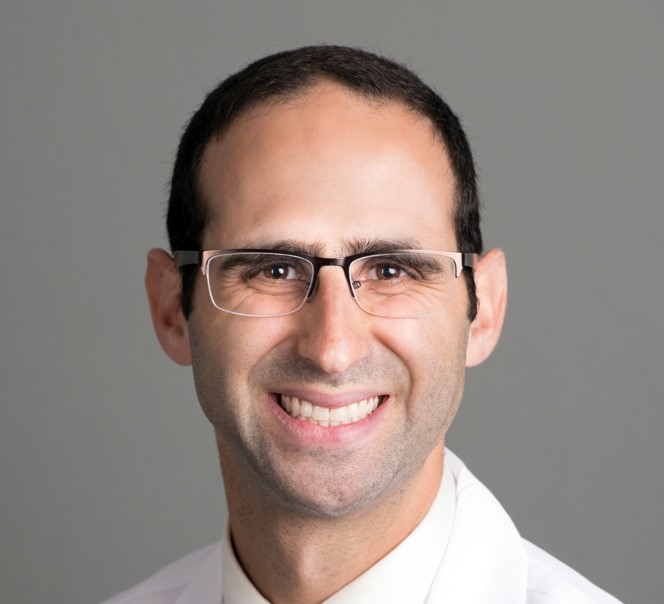
“The patient always comes first – that lesson guides every decision I make” Dr Ari Rosenberg (University of Chicago Medicine, Chicago, IL, USA) specializes in the treatment of head and neck cancer, salivary gland cancer and thyroid cancer. His particular ...
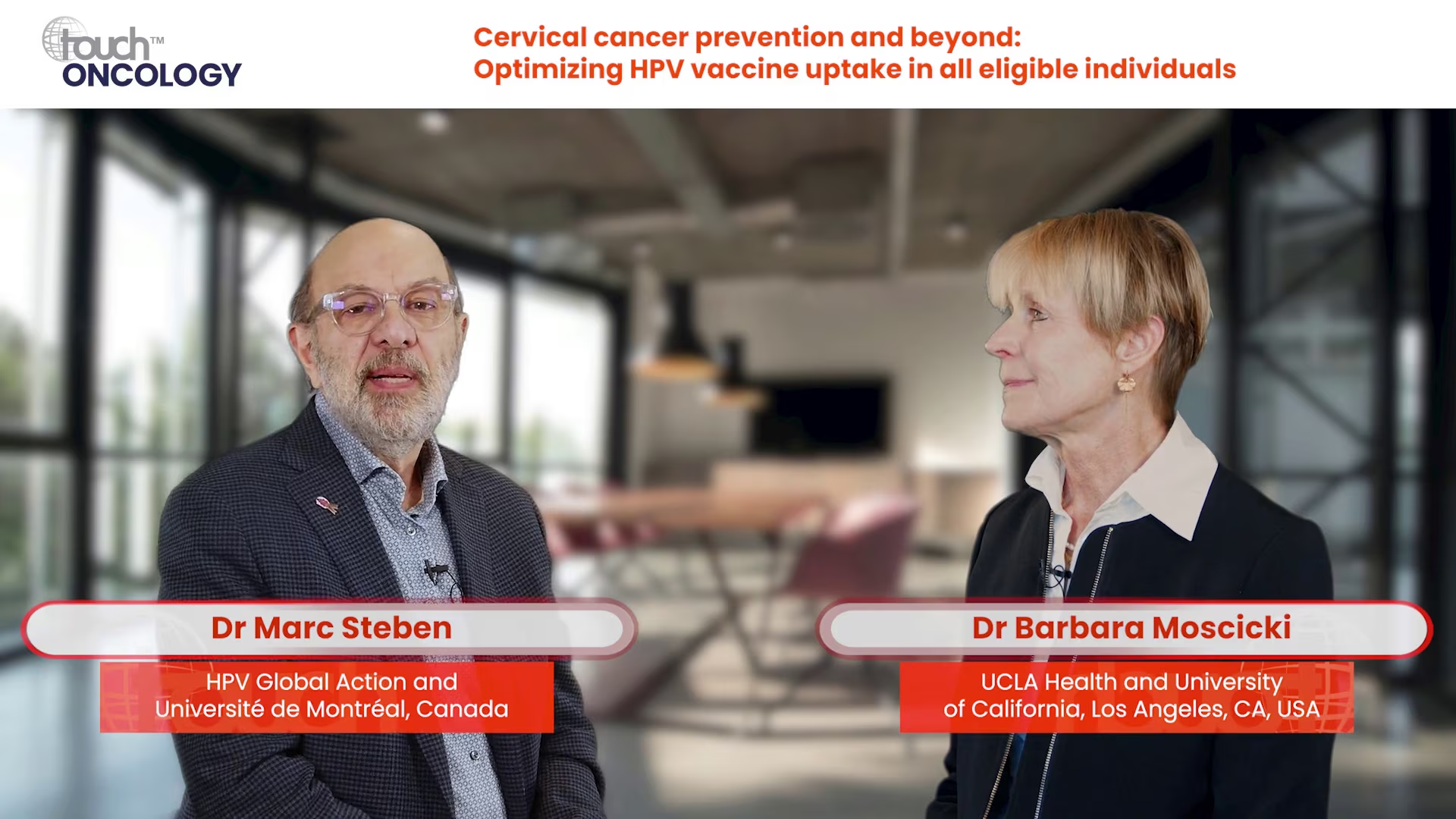


In this interview, Dr Michael K. Gibson (Vanderbilt-Ingram Cancer Center, Vanderbilt University Medical Center, Nashville, TN, USA), an expert in head and neck and gastrointestinal (GI) oncology shares his personal journey, reflecting on how early experiences with cancer shaped his ...

In our latest episode, we delve into the world of space medicine to explore how drug crystallization in microgravity could revolutionize biologic drug administration. Joining us is Dr Katie King, CEO of BioOrbit, to discuss the science, challenges, and technological advancements that could make space-based drug production a reality.
Log into your Touch Account
Keep track of your clinical interests and newsletter subscriptions.
Sign up with an Email
Or use a .
Register now for FREE access
Already registered? Login below.