Ovarian Cancer


With the European Society for Medical Oncology (ESMO) Congress 2026 fast approaching, attention is turning to Madrid, where the meeting is held from 23–27th October. Whether you are joining onsite or via the virtual platform, the three Presidential Symposia are the sessions not to miss. This year they carry 12 late-breaking abstracts (LBAs) spanning melanoma, lung, genitourinary, gastrointestinal, gynecological and rare cancers. With close to 300 scientific and educational sessions to choose from, we know the programme can feel overwhelming. So we have put together a quick guide to the headline sessions: when and where they run, who is presenting, and links to explore each one in the programme planner, so you can decide which to prioritize.
The European Society for Medical Oncology (ESMO) Congress 2026 promises a compelling program of clinical data, spanning personalized cancer vaccines, next-generation antibody–drug conjugates (ADCs) and novel approaches to targeted therapy and immunotherapy. With several studies already generating excitement following positive topline announcements, all eyes will be on the full results and their potential implications for clinical practice. Below, we highlight the 12 presidential abstracts to watch, the key findings to look out for and the questions these studies could help answer.

See who the oncology community selected as the rising stars of 2026!

At ESGO26 investigators answered some of the field’s most persistent questions: the optimal timing of surgery, chemotherapy scheduling, the promise of immunotherapy in platinum-resistant disease and how molecular profiling can sharpen surgical decision-making. And the results didn't disappoint. Below are four of the most important abstracts from the Late-breaking, Best Oral and Best Three Minutes sessions: ENGOT-ov65/KEYNOTE-B96, RACC, ACR-368-201 and EUGENIE revealed insights that could shift the standard of care. Here’s what you need to know.
At ESGO26, investigators tackled some of the most persistent questions in advanced ovarian cancer: when to operate, how best to schedule chemotherapy and whether immunotherapy can finally shift outcomes in platinum-resistant disease. Four major studies took centre stage — TRUST, ICON8B, ENGOT-ov65/KEYNOTE-B96 and a SUROVA HIPEC sub-analysis. Here, we break down the key take-home messages from each presentation.




The European Society for Medical Oncology (ESMO) 2025 congress brought over 100 late-breaking abstracts, 250 sessions, 600 expert speakers and 33,800 delegates to Berlin in October. The meeting highlighted innovations ranging from novel agents to real-world evidence and patient-centred care. In this article, hear from the experts on the key breakthroughs and clinical insights set to shape the future of oncology practice.

The European Society for Medical Oncology (ESMO) 2025 congress brought over 100 late-breaking abstracts, 250 sessions, 600 expert speakers and 33,800 delegates to Berlin in October. The meeting highlighted innovations ranging from novel agents to real-world evidence and patient-centred care. In this article, hear from the experts on the key breakthroughs and clinical insights set to shape the future of oncology practice.
In this interview, we speak with Prof. Domenica Lorusso (Humanitas Hospital San Pio X, Humanitas University, Rozzano, Milan) about the latest ROSELLA findings, their implications for clinical practice, the next steps in this research and other key data presented at this year’s meeting.

At the ESMO Annual Meeting 2025, Dr Antonio González-Martín unveiled pivotal data from the ANITA and NAPISTAR-101 trials, spotlighting new insights into immunotherapy, biomarkers and new antibody–drug conjugates for recurrent and platinum-resistant ovarian cancer.

At the 2025 European oncology congress, Prof. Nicoletta Colombo highlighted data from the ENGOT-ov65/KEYNOTE-B96 study showing pembrolizumab plus weekly paclitaxel, with or without bevacizumab, significantly improved survival in platinum-resistant ovarian cancer. The findings suggest this combination could establish a new standard of care, addressing a long-standing unmet clinical need.

Rare gynaecological cancers remain an underfunded and understudied group of diseases. Prof. Isabelle Ray-Coquard discusses the diagnostic and therapeutic gaps, barriers to clinical trial participation, and the importance of international cooperation to advance care for these patients. Promising developments include immunotherapy, targeted approaches, and data-driven personalized strategies.

Dr Domenica Lorusso reviews key ovarian cancer studies from ASCO 2025, including new data on immunotherapy combinations, survival benefit in platinum-resistant disease, and surgical outcomes in newly diagnosed patients. While not practice-changing, the results add to the evidence base and may guide more tailored decision-making in clinical practice.

This year, we are celebrating our inaugural touchONCOLOGY Future Leaders to recognize the outstanding talent that has entered our field in recent years. These individuals are set to innovate and transform oncology and haematology in the years to come.
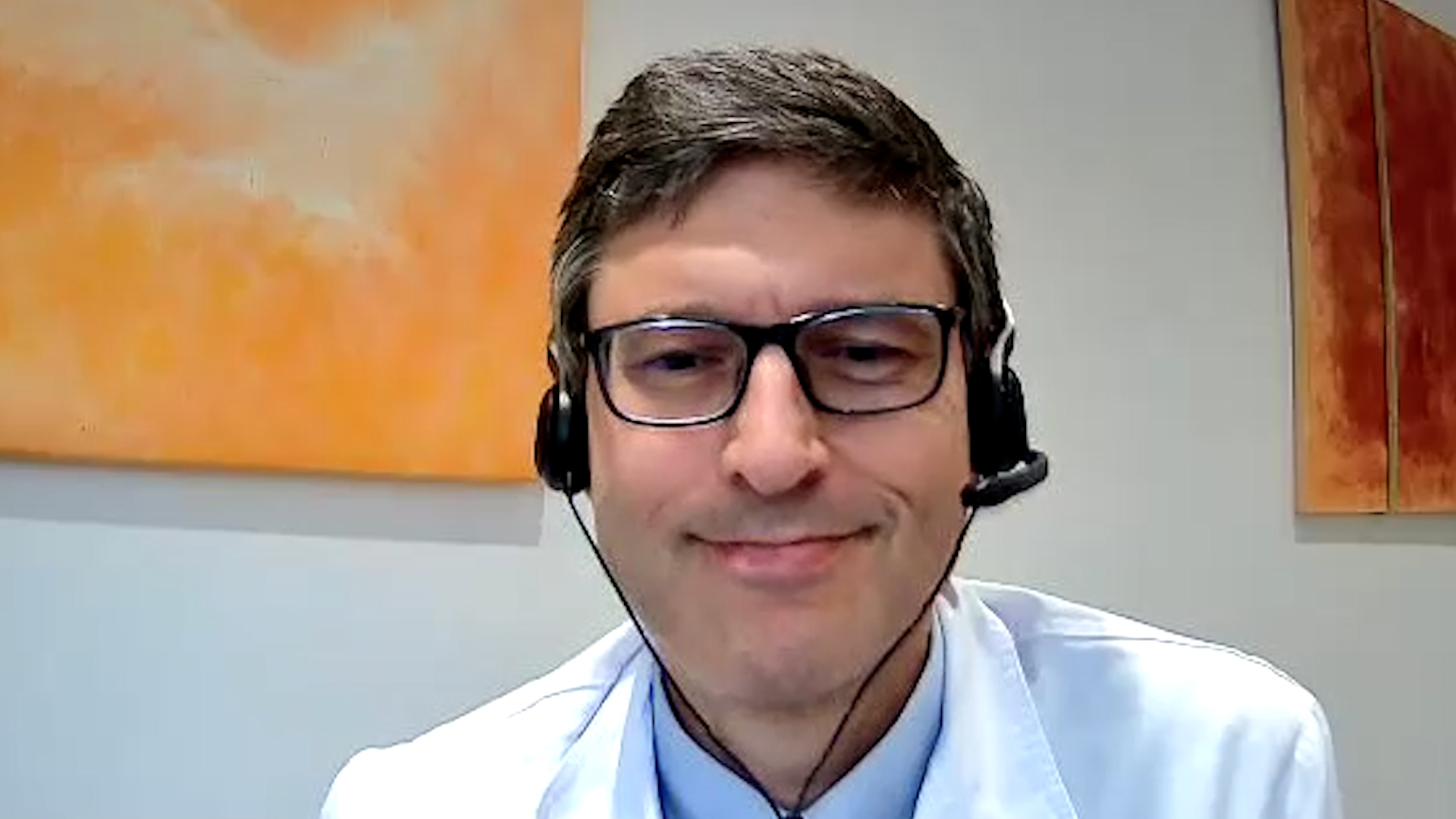
The phase III PRIMA/ENGOT-OV26/GOG-3012 trial evaluated the efficacy of niraparib as a first-line maintenance treatment for patients with advanced ovarian cancer who responded to platinum-based chemotherapy. In this final analysis, no significant difference in overall survival was observed ...
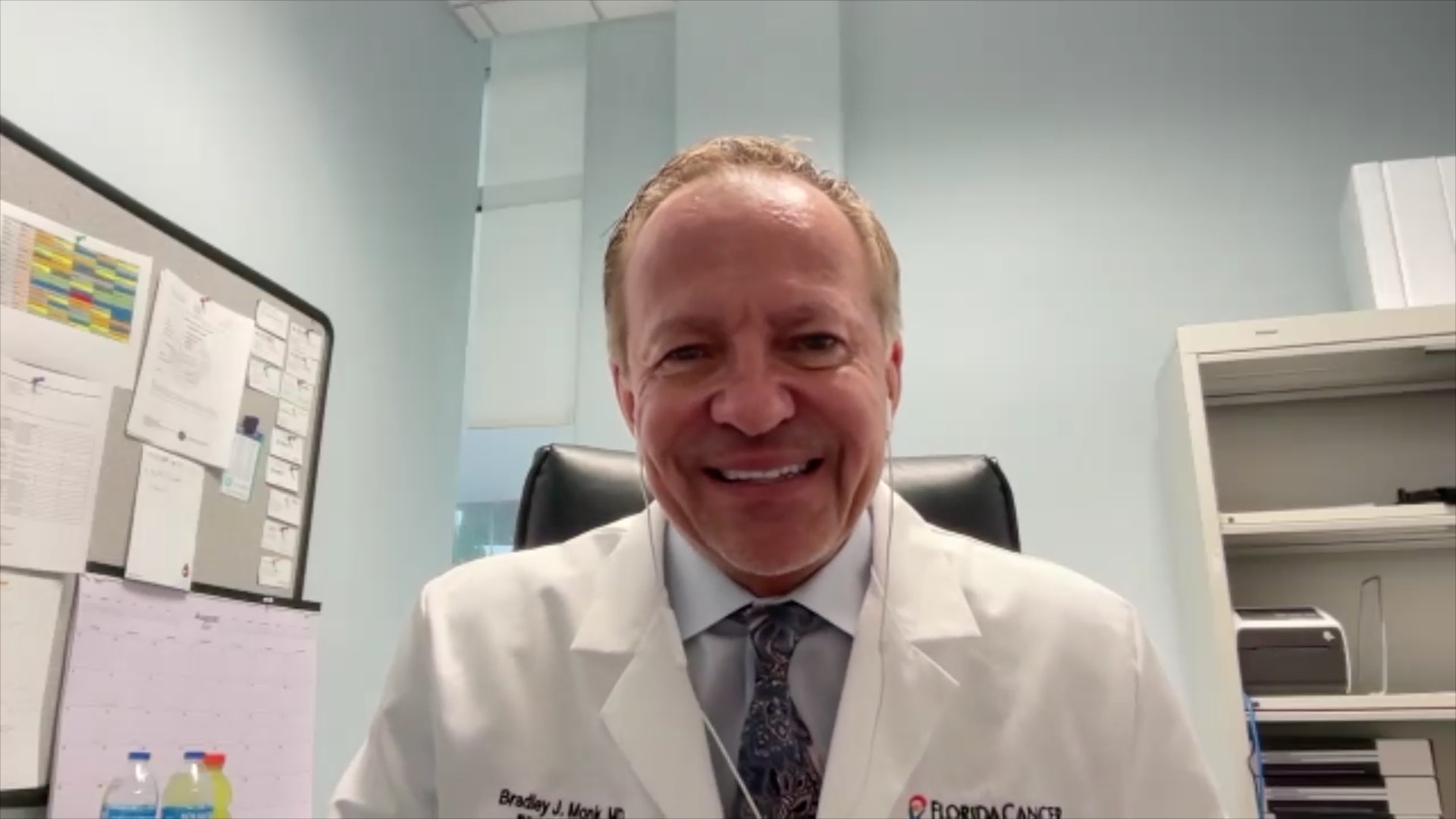
The ATHENA trial evaluated the effectiveness of rucaparib (RUCA) monotherapy (MONO) and rucaparib combined with nivolumab (NIVO) (COMBO) in patients with advanced high-grade ovarian cancer (AHGOC). In the MONO arm, rucaparib showed sustained progression-free survival (PFS) of 20.2 months after first-line ...
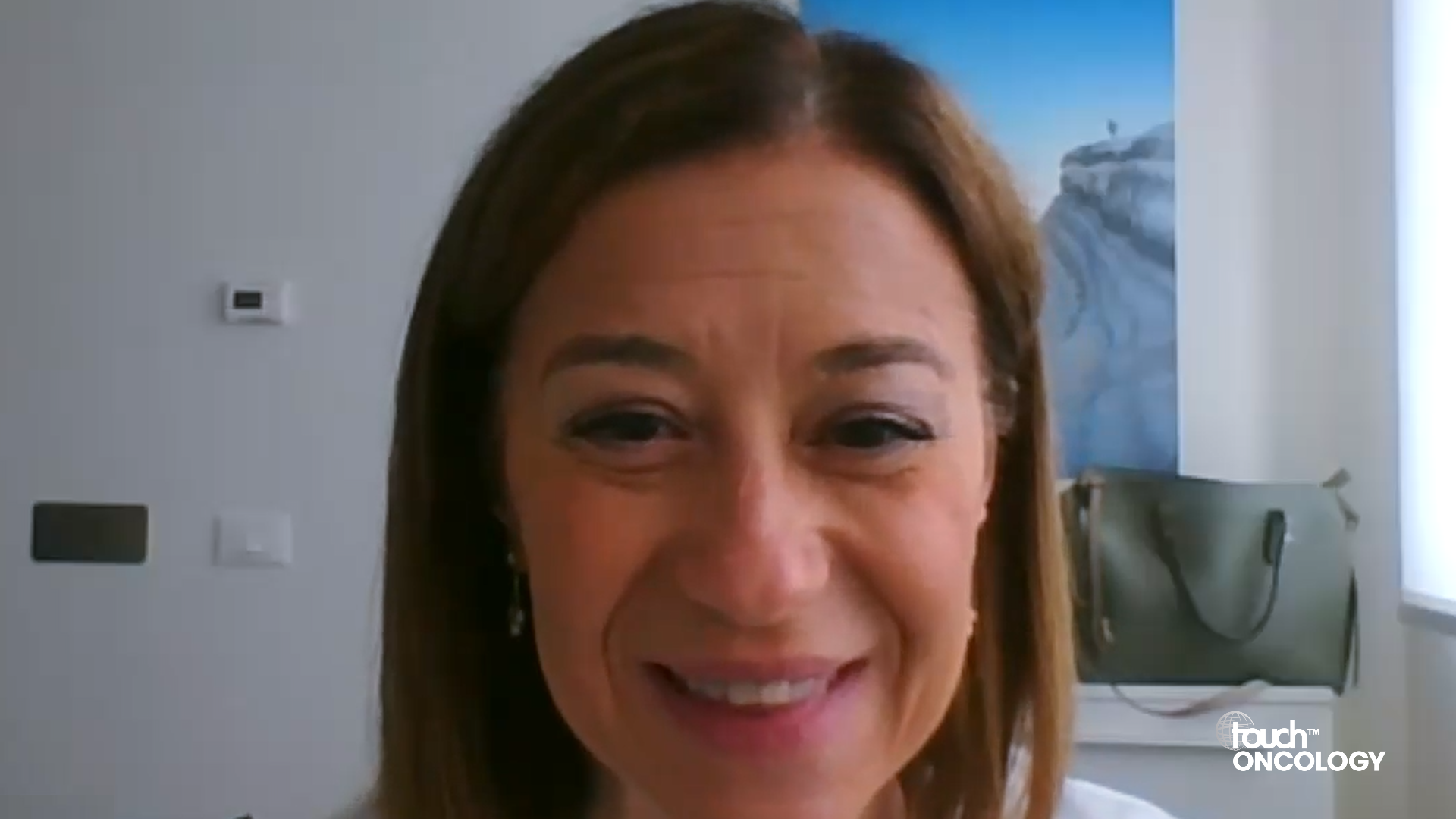
To further understand the key developments and research presented in the field of gynaecological oncology at ASCO 2024, we spoke with Dr. Domenica Lorusso, Professor of Obstetrics and Gynaecology at Humanitas University of Milan, Italy. In this interview, Dr. Lorusso discusses the findings from the BrUOG 354 (NCT03355976), AGO-OVAR 2.29/ENGOT-ov34 (NCT03353831), KEYVIBE-005 (NCT05007106), and CARACO (NCT01218490) trials, offering her valuable insights into the potential impact these results could have on clinical practice.
Log into your Touch Account
Keep track of your clinical interests and newsletter subscriptions.
Sign up with an Email
Or use a .
Register now for FREE access
Already registered? Login below.