not just by survival, but by how people live with and beyond cancer”
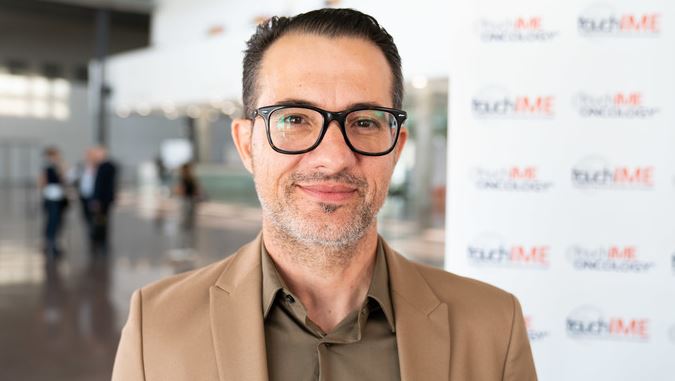
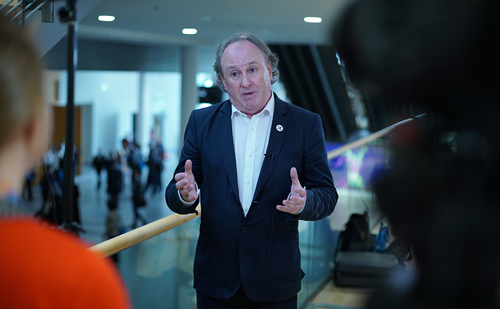
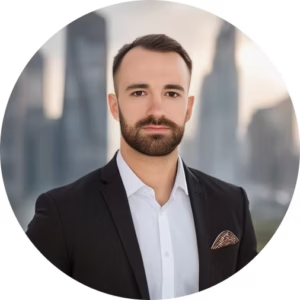
Dr Darren Haywood is a Postdoctoral Research Fellow in Cancer Survivorship, University of Technology Sydney, Ultimo, Australia. His research focuses on improving outcomes for people living with and beyond cancer, particularly in the areas of cancer-related cognitive impairment and psycho-oncology. Recently recognized with the 2025 MASCC Emerging Investigator Award, Dr Haywood has contributed to the development of assessment tools, clinical guidelines and collaborative projects that support the growing field of survivorship care. In this interview, Dr Haywood discusses the significance of his award, the role of multidisciplinary collaboration and how supportive oncology is changing as cancer is increasingly managed as a chronic condition.
Q1. What does receiving the 2025 MASCC Emerging Investigator Award mean for you personally and professionally?
Receiving the MASCC Emerging Investigator Award is both humbling and deeply affirming. Personally, it’s a moment of reflection and gratitude for the mentors, collaborators and lived experience experts who have shaped my journey in cancer survivorship research to date. Professionally, the impact and recognition of the research associated with not only my award, but also MASCC-supported research as a whole, demonstrate a growing recognition of survivorship as a vital component of oncology, deserving of rigorous inquiry and strategic investment.
This award highlights the importance of early to mid-career researchers building collaborative, multidisciplinary research that extends care beyond treatment and into long-term wellbeing. It also reinforces the value of translating evidence into practice. I see this not just as an individual award, but as a shared achievement, inclusive of my wonderful mentors within and external to MASCC, in particular Professor Nicolas Hart. It motivates me to continue advocating for and producing high-impact real-world relevant research to improve outcomes for people living beyond cancer.
Q2. Supportive oncology is inherently multidisciplinary – how important is it for societies like MASCC to bring together multiple disciplines like patient advocates, other societies, experts and institutions?
Supportive care in cancer thrives on collaboration. It is not enough to have specialist expertise in isolation; we require the lived experience expertise of people living with and beyond cancer, the insights of inter- and multidisciplinary stakeholders, the strategic reach of institutions and organizations and the innovation of researchers across disciplines. MASCC plays a pivotal role in convening these voices, creating a shared space where data meets experiential expertise. By fostering multidisciplinary dialogue, MASCC helps ensure that supportive care is not only scientifically robust but also responsive to real-world needs.
This kind of integration accelerates the development of best-practice models, facilitates global knowledge exchange, and strengthens the implementation of care that is equitable and person-centred. Especially as survivorship evolves, the ability to unite diverse stakeholders becomes essential. MASCC’s leadership in this space is critical to shaping the future of oncology, one that prioritises quality of life as much as clinical outcomes.
Q3. What role do you think survivorship care will play as more patients live long-term with cancer as a chronic illness?
Survivorship care is rapidly becoming a cornerstone of modern cancer management. As more people live longer with cancer, often navigating it as a chronic condition, the need for structured, longitudinal care is more urgent than ever. Survivorship is not just about surveillance; it is about restoring function, supporting mental health, managing late effects and enabling people to thrive beyond diagnosis. Given that 1 in 2 of us will be diagnosed within our lives, we must move toward integrated models that embed survivorship into primary care, community health and policy frameworks. This includes tailored interventions, tools and culturally responsive approaches that reflect diverse survivorship journeys. Care must be continuous, coordinated and person-centred.
Survivorship will increasingly define how we measure success in oncology, not just by survival rates, but by how people live with and beyond cancer. It is a space where innovation, compassion and evidence must converge to meet the evolving needs of survivors, families, caregivers and communities.
About Dr Darren Haywood
Dr Darren Haywood (PhD, BPsych(Hons), Dip. Fit) is a Postdoctoral Research Fellow in Cancer Survivorship at the University of Technology Sydney (UTS), working across the INSIGHT Research Institute, Human Performance Research Centre and School of Sport, Exercise and Rehabilitation. His research focuses on improving outcomes for cancer survivors and caregivers, with expertise in cancer-related cognitive impairment and psycho-oncology.
He has secured over $1.4M in competitive funding as chief investigator, including a MASCC Cognition Fellowship (2023–25) to develop the world’s first unmet needs assessment for cancer-related cognitive impairment. Dr Haywood has published more than 55 peer-reviewed papers (including first-author work in Trends in Cancer), a book chapter and presented at over 20 conferences.
He is the inaugural MASCC Cognition Fellow, co-developed the MASCC COG-IMPACT Tool, and contributed to three national clinical guidelines. Dr Haywood also serves on the PC4 Scientific Advisory Committee, MASCC Guidance Committee, and is an IPOS Early Career Professional Member.
 About the Multinational Association of Supportive Care in Oncology (MASCC)
The Multinational Association of Supportive Care in Cancer (MASCC) is an international, interdisciplinary organization dedicated to the practice, education and research of supportive care in cancer. Their mission is to continually improve the supportive care of people with cancer – from diagnosis through to survival or end-of-life care.
Disclosure: This short article was prepared by touchONCOLOGY in collaboration with the Multinational Association of Supportive Care in Oncology (MASCC). No fees or funding were associated with its publication. Darren Haywood has no financial or non-financial conflicts of interest to disclose in relation to this article.
Related content
- “Challenges faced by Early Career Cancer Nurses and how EONS supports them in overcoming obstacles” by the EONS Early Career Nurses Working Group
- Personalized cancer care in geriatric oncology: Insights from SIOG President Dr Grant Williams
- Embracing Healthy Lifestyles for Cancer Prevention: Reflections from Global Cancer Day
Cite: The future of cancer survivorship care: 3 questions with Dr Darren Haywood. touchONCOLOGY. September 11th, 2025
SIGN UP to touchONCOLOGY!
Join our global community today for access to thousands of peer-reviewed articles, expert insights, and learn-on-the-go education across 150+ specialties, plus concise email updates and newsletters so you never miss out.