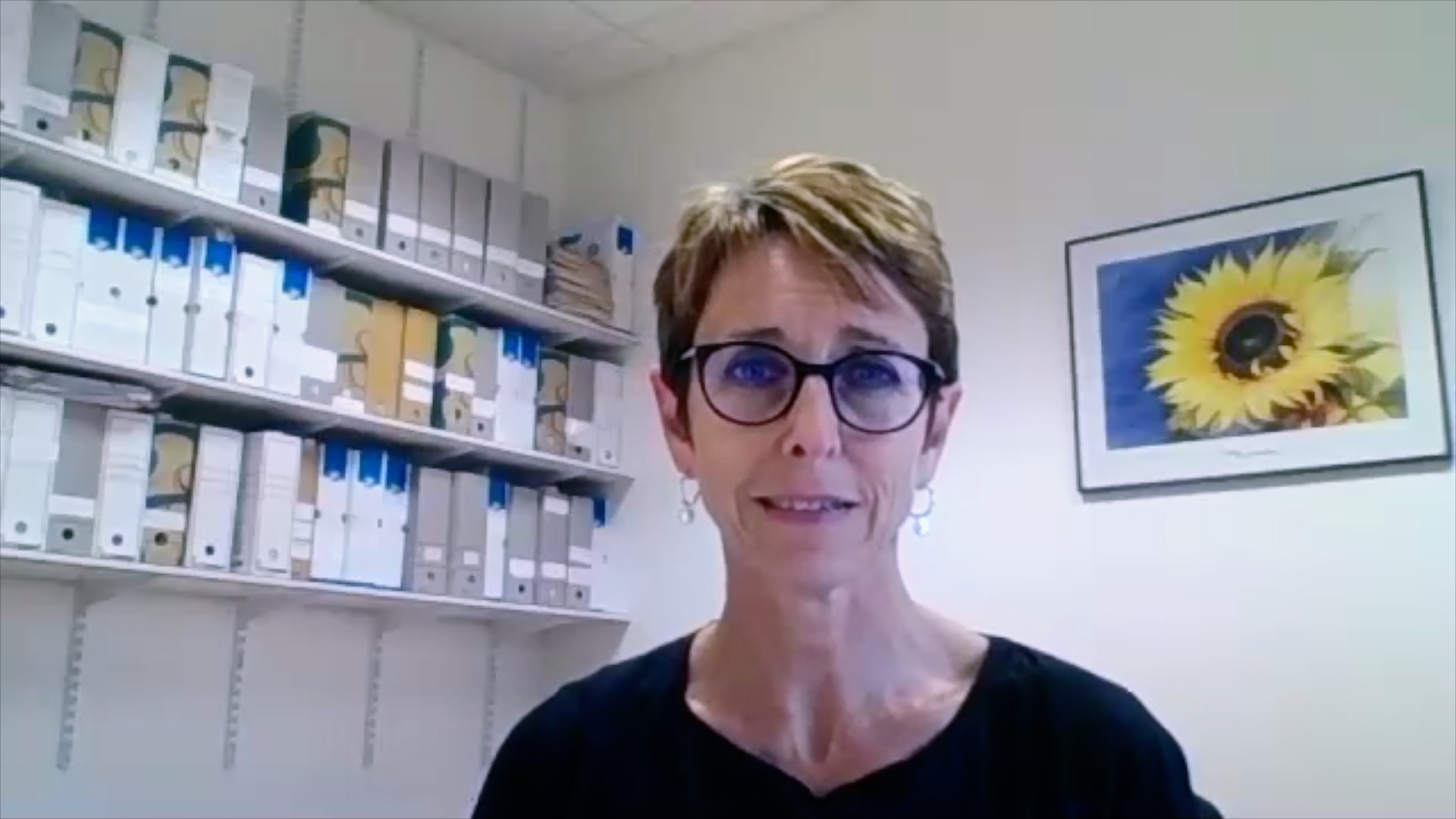
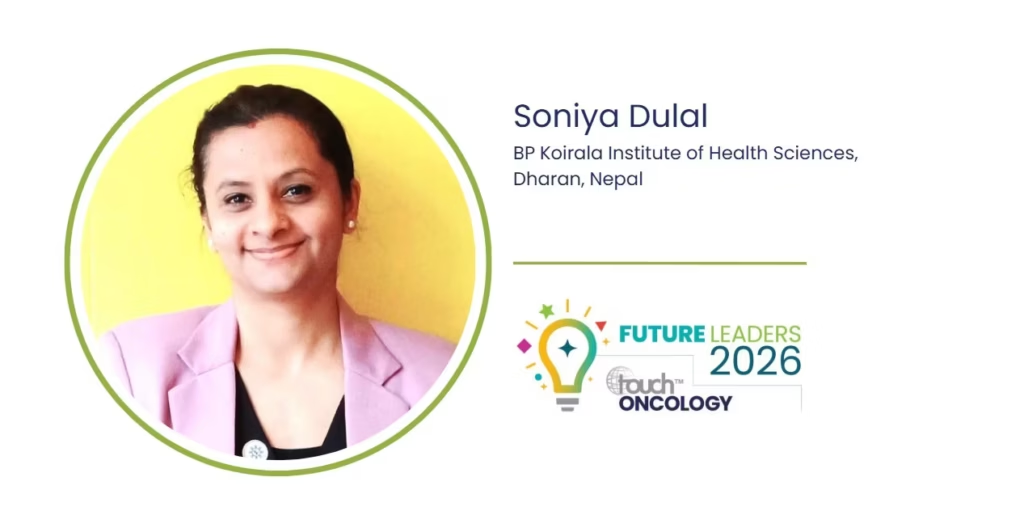
We are delighted to announce Dr Soniya Dulal as a touchONCOLOGY Future Leader 2026, selected as a rising star poised to shape the future of oncology advocacy and increasing access to treatments in resource-limited countries.
Dr Soniya Dulal is an Associate Professor and the Medical Oncologist. She is among the first few Nepalese oncologists with a Doctor of Medicine in Medical Oncology, currently serving a population of 11 million in Eastern Nepal at the B.P. Koirala Institute of Health Sciences (BPKIHS) in Dharan. She graduated with honors from the National Academy of Medical Sciences (NAMS), Bir Hospital, supported by a scholarship from the Government of Nepal. A dedicated clinician-scientist, Dr Dulal is a recipient of the 2018 ASCO Merit Award, the 2019 Union for International Cancer Control (UICC) Fellowship, and the 2023 ASCO Global Oncology Young Investigator Award (GO YIA). Her research focuses on bridging global oncology standards with local clinical practice, with a specialized emphasis on breast cancer genetics and health equity within the Nepalese population.
As the HVO Site Coordinator at BPKIHS, she leads vital initiatives for workforce development in medical oncology, fostering international partnerships to strengthen local clinical training and residency programs. In recognition of her transformative impact on healthcare services in underserved communities, she was honored with the 2025 HVO Golden Apple Award. Dr Dulal is deeply committed to expanding equitable cancer care and establishing sustainable academic programs, including the DM Medical Oncology program, to secure the future of oncology in Nepal.
In this Future Leaders interview, Dr Dulal discusses the global mentors who shaped her career, the importance of building sustainable oncology systems in Nepal and how precision medicine, palliative care and international collaboration can improve patient outcomes in resource-limited settings.

“The future of oncology depends on collaboration across borders and contexts… Building local capacity is as important as advancing global science.”
Q: Can you tell us about mentors who significantly impacted your career, and the most valuable lesson they have shared with you?
My professional journey has been shaped by a global network of mentorship that bridges the gap between high-resource research and the clinical realities of Nepal. Prof Dr Bishnu Dutta Paudel, a pioneer of oncology in Nepal, was foundational in connecting me with international experts through Health Volunteers Overseas (HVO). This network, supported by Dr Prakash Neupane, HVO Coordinator from Kansas University, enabled the establishment of weekly multidisciplinary tumor boards and high-impact research publications. Furthermore, Emeritus Prof Dr Ian Tannock from Princess Margaret Cancer Centre provided invaluable guidance during our breast cancer research collaboration, which led to my ASCO Global Oncology Young Investigator Award.
In establishing the new DM Medical Oncology program at BP Koirala Institute of Health Sciences, Dr Melanie Thomas has been an instrumental mentor. She taught me the vital lesson of ‘global health reciprocity’ – the art of adapting evidence-based medicine to resource-limited settings without compromising patient dignity. Additionally, Dr Michael Gary Martin has shown extraordinary commitment, contributing to the construction of local hospice and providing expert mentorship in complex clinical cases. Palliative care team from Two World Cancer Collaboration also provided mentorship and support in establishing palliative/hospice care in Eastern Nepal. Collectively, these mentors have taught me that leadership in oncology is defined by the systems we build and the international bridges we maintain to improve local patient outcomes.
Q: Looking ahead, what do you anticipate will be the biggest advancements or changes in your field over the next decade?
- Precision oncology & molecular diagnostics
- Expansion of the oncology workforce (DM program)
- Expansion of decentralized clinical trials
- Integrated hospice & dignified end-of-life care
- Strong preventive oncology & health policy
- Established & scalable screening programs
Q: How do you balance the technical aspects of your work with the empathetic side of patient care?
I view technical expertise – staying current with molecular diagnostics and precision oncology – as the highest form of empathy. By providing the most accurate, evidence-based treatment plan, I am honouring the trust my patients place in me. The ‘technical’ side ensures they have the best chance at life, while the ’empathetic’ side ensures that life has quality. My work in establishing home-based hospice and palliative care has taught me that empathy is most critical when the technical ‘cures’ reach their limit. Transitioning from curative intent to ensuring a dignified death requires a deep emotional presence. I balance this by treating the person, not just the pathology, ensuring that symptom management is as rigorous as the chemotherapy itself.
Disclosures: This short article was prepared by touchONCOLOGY in collaboration with Dr Dulal. No fees or funding were associated with its publication.
Citation: Dr Soniya Dulal on global collaboration and transforming oncology care in Nepal: touchONCOLOGY Future Leaders 2026. touchONCOLOGY. 14th April 2026.
Register now to receive the touchONCOLOGY newsletter!
Don’t miss out on hearing about our latest peer reviewed articles, expert opinions, conference news, podcasts and more.