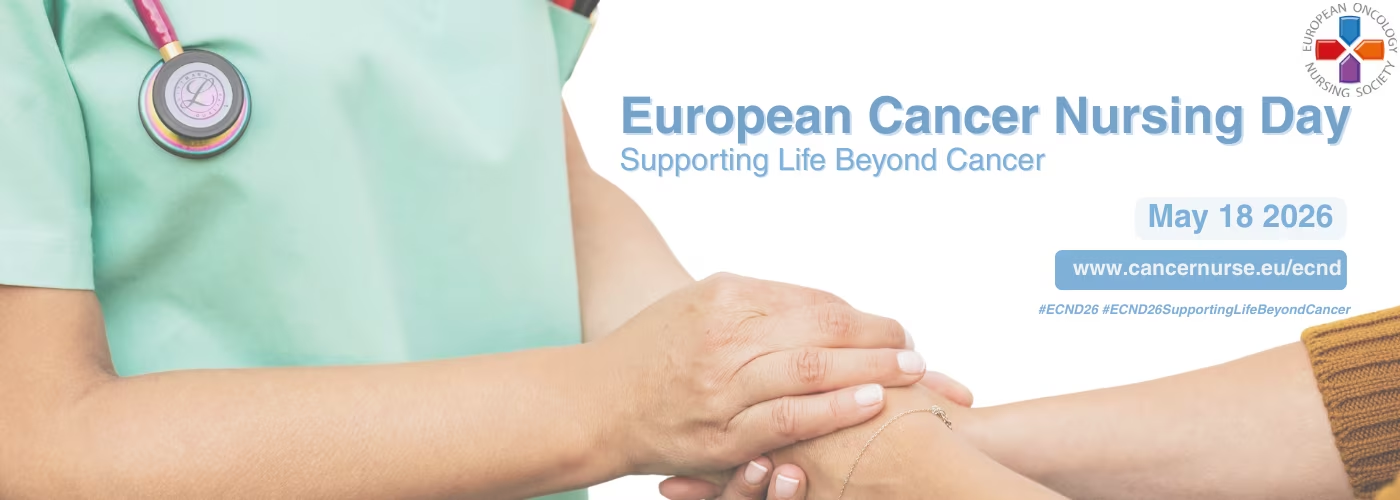
European Cancer Nursing Day 2026 celebrates the nurses at the heart of cancer care; from diagnosis to survivorship and beyond. As more people live longer with and beyond cancer, ECND26 highlights why investing in the cancer nursing workforce has never been more important.
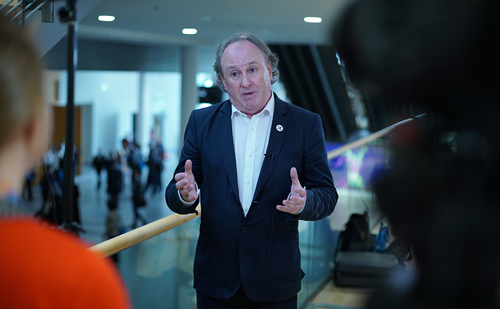
Ahead of ECND26, the European Oncology Nursing Society (EONS) Board Members discuss the growing importance of cancer nurses in survivorship care, personalised medicine and multidisciplinary oncology teams. Speaking about this year’s theme, ‘Supporting Life Beyond Cancer’, she highlights the increasing demands facing the oncology nursing workforce across Europe, the need for greater recognition and investment, and why supporting nurses is essential to improving patient outcomes and quality of life.
ECND aims to highlight the role of cancer nurses across Europe. How does ECND help drive policy change or greater recognition of cancer nursing at both national and EU levels?
ECND plays an important role in increasing visibility and recognition of cancer nurses across Europe. Cancer nurses are central to the patient journey; from prevention and diagnosis through treatment, survivorship and palliative care; yet their contribution is still often under-recognised within healthcare policy and workforce planning.
By bringing together nurses, patients, organisations and policymakers around a shared annual campaign, ECND helps highlight the impact cancer nurses have on patient outcomes, quality of care and healthcare sustainability. It also creates an opportunity to advocate for investment in the cancer nursing workforce, education, leadership and advanced practice roles at both national and European levels.
Importantly, ECND helps ensure that the voice of cancer nurses is included in wider discussions around Europe’s Beating Cancer Plan, workforce shortages, health inequalities and the future of cancer care.
This year’s theme ‘Supporting Life Beyond Cancer’ emphasises survivorship and long-term care. How does this reflect the evolving role of cancer nurses in modern oncology?
This year’s theme reflects a major shift in cancer care. More people are now living longer with and beyond cancer, which means survivorship support has become an essential part of cancer care rather than an ‘extra’. Cancer nurses are increasingly supporting patients with the long-term physical, emotional, psychological and social consequences of cancer and its treatment. This includes managing late effects, supporting self-management, coordinating care across services, promoting healthy lifestyles, addressing mental wellbeing and helping patients navigate life after treatment.
The role of cancer nurses has therefore expanded significantly beyond treatment delivery alone. Nurses are now key coordinators, educators, advocates and supportive care specialists who help patients maintain quality of life throughout the entire cancer continuum.
What are the most pressing challenges cancer nurses are facing in Europe today?
Across Europe, cancer nurses are managing increasingly complex care pathways while also responding to rising numbers of people living with and beyond cancer. At the same time, many services are experiencing workforce pressures, increasing workload demands and challenges with recruitment and retention, all of which can impact both staff wellbeing and the sustainability of cancer care delivery.
There are also inequalities in access to education, specialist training and advanced practice opportunities across Europe. While some countries have highly developed cancer nursing roles, others still face barriers in recognition, career progression and workforce investment.
Health inequalities are another major concern. Vulnerable and underserved populations often experience poorer cancer outcomes, and cancer nurses are frequently on the front line of identifying and addressing these disparities in practice.
At the same time, cancer is evolving rapidly through personalised medicine, targeted therapies, digital health technologies and increasingly complex treatment pathways. Cancer nurses must continuously adapt to these developments while still maintaining compassionate, person-centred care.
There has been growing attention on mental health and resilience in the nursing workforce. What practical steps are needed to better support cancer nurses on the front line?
Supporting cancer nurses requires more than simply encouraging resilience. Sustainable support must include organisational and system-level changes. This includes safe staffing, protected time for education and reflection, access to psychological support, supportive leadership and opportunities for career development. Nurses also need to feel valued, heard and included in decision-making processes.
Creating healthy workplace cultures is essential. Peer support, mentorship and flexible working approaches can all help improve wellbeing and retention. Importantly, supporting the cancer nursing workforce is directly linked to patient safety and quality of care.
How is the role of cancer nurses evolving in areas such as survivorship care, personalised medicine and multidisciplinary teams?
Cancer nurses are becoming increasingly central to multidisciplinary and personalised cancer care. They are often the professionals who provide continuity across complex pathways and help translate highly complex information into meaningful, patient-centred discussions.
In personalised medicine, nurses are supporting genomic-informed care, treatment education, toxicity management and patient decision-making. In survivorship care, they are leading follow-up services, holistic needs assessments and supportive interventions.
Cancer nurses are also playing growing leadership roles within multidisciplinary teams, contributing not only clinically but also strategically through service development, research, education and quality improvement initiatives.
What are EONS’ key priorities for strengthening the cancer nursing profession across Europe over the next 3–5 years?
Over the next 3–5 years, EONS will continue focusing on strengthening cancer nursing across Europe so that every person affected by cancer has access to high-quality, person-centred care throughout their entire cancer journey, including life beyond cancer.
A major priority will be supporting the growing survivorship agenda and recognising that cancer care does not end when treatment finishes. As more people live with and beyond cancer, cancer nurses will play an increasingly important role in long-term care, management of late effects, supportive care, rehabilitation and helping patients maintain quality of life.
EONS is also committed to addressing inequalities in cancer care across Europe. This includes advocating for equitable access to specialist cancer nursing, education, supportive care services and survivorship support regardless of where patients live.
Another key focus is ensuring cancer nurses are empowered, educated and supported within their roles. This includes strengthening education and professional development opportunities, supporting leadership and advanced practice roles, promoting workforce wellbeing and improving recognition of cancer nursing within healthcare systems and policy discussions.
At the same time, oncology continues to evolve rapidly through personalised medicine, digital innovation and increasingly complex care pathways. EONS will continue supporting nurses to develop the skills, knowledge and confidence needed to adapt to these changes while maintaining compassionate, holistic and patient-centred care.
Ultimately, EONS’ priorities remain centred on strengthening the cancer nursing workforce, supporting nurses themselves, and improving outcomes and quality of life for all people affected by cancer across Europe.
This content has been developed independently by Touch Medical Media for touchONCOLOGY in collaboration with European Oncology Nursing Society (EONS). Views expressed are the speaker’s own and do not necessarily reflect the views of Touch Medical Media.
Cite: European Cancer Nursing Day 2026: Supporting life beyond cancer. touchONCOLOGY. 14th May 2026.
Editor: Sophie Nickelson