
ONCOLOGY & HEMATOLOGY – REVIEW VOLUME 12 ISSUE 1 – SPRING 2016
In this edition Hubbard and Grothey discuss the interesting topic of cancer stem cells and cancer stem cell inhibitors in gastrointestinal cancers and Moran and Sanft provide an overview of recent updates in the management of triple negative breast cancer.
We hope you enjoy this edition of Oncology & Hematology Review and that it provides a useful information relevant to your practice and interests.
A warm welcome to this edition of the Oncology & Hematology Review (US). Cancer care costs are placing an escalating burden on global healthcare systems, partly owing to the high price points for biological therapies. However, with patents on many of these biological treatments expiring, biosimilars offer the potential to reduce healthcare expenditure while improving […]
Hematology
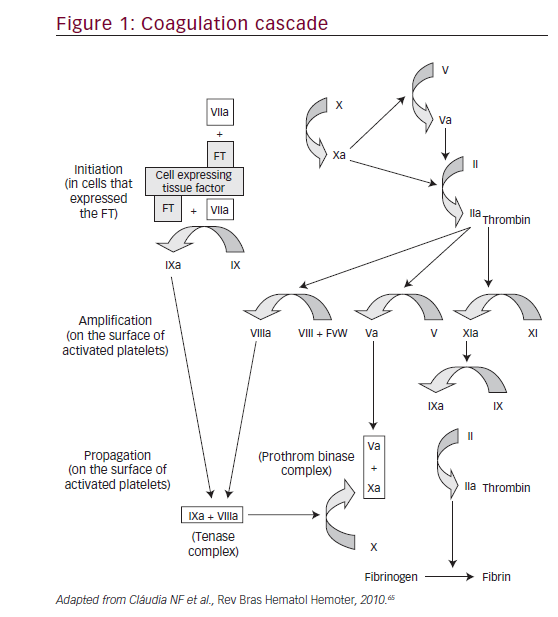
The coagulation cascade The formation of a blood clot inside a blood vessel obstructs the blood flow through the circulatory system. Hemostasis is the process that prevents blood loss after any injury. The coagulation process that directs hemostasis constitutes a complex set of reactions. In a study conducted by Davie and Ratnoff (1964),1a simple waterfall […]
Hematologic Malignancies
The myelodysplastic syndromes (MDS) represent a heterogeneous group of clonal hematologic disorders, characterized by inefficient hematopoiesis, myeloid dysplasia, and an increased risk for developing acute myeloid leukemia (AML).1,2 In the majority of patients, morbidity and mortality are the result of progressive cytopenias, but transformation to AML is observed in approximately one-third of patients. MDS is […]
Biosimilars
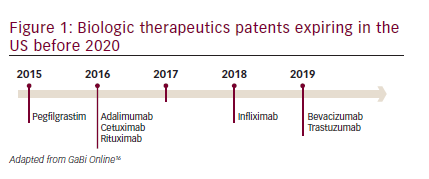
Cancer places a significant and growing burden on healthcare systems around the world; it is the second most common cause of death in the US and accounts for nearly one in four deaths.1 About 1,665,540 new cancer cases are expected in the US in 2014. While population growth and aging will increase the number of […]
Immunotherapy
In no other cancer in recent times has the impact of immunotherapy been so profound as melanoma. An understanding of molecular underpinnings in this disease has led to the rational development of immunotherapy, leading to unprecedented tumor response and importantly an improvement in overall survival in metastatic melanoma. The identification and development of antibodies to […]
Breast Cancer
Breast cancers which lack expression of the estrogen receptor (ER), progesterone receptor (PR) and human epidermal growth factor receptor 2 (HER2)—so-called triple-negative breast cancers (TNBC)—make up 15–20% of the more than 230,000 cases of breast cancer diagnosed in the US each year.1 Metastatic TNBC remains an important clinical challenge as it is associated with a […]
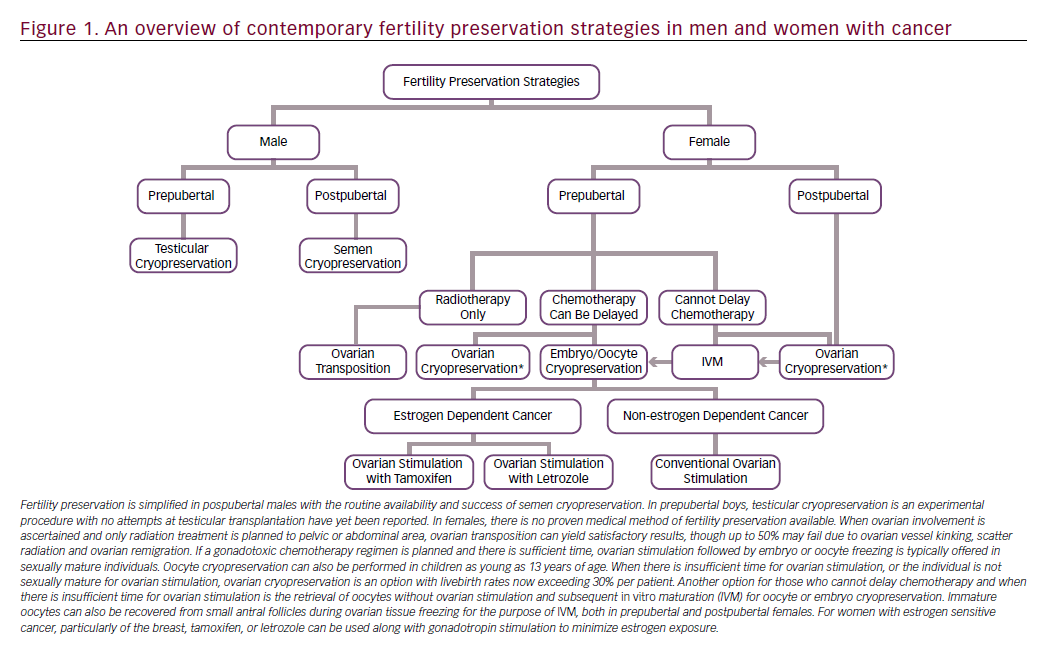
It has been estimated that approximately 1% of all females may be exposed to some form of gonadotoxic cancer treatment by the age of 45.1 Given the quality of life consequences of cancer-treatment-induced infertility and ovarian failure, fertility preservation becomes an essential component of cancer care. The fertility preservation field has shown significant evolution within […]
Triple negative breast cancer (TNBC) is a subtype of breast cancer that comprises 15–20% of all breast cancer cases and is characterized by aggressive clinical features.1 Compared to estrogen receptor (ER)-positive cancers, it carries an increased risk for relapse within five years of diagnosis, increased propensity for spread to viscera like lungs and brain, and […]
Esophageal Cancer
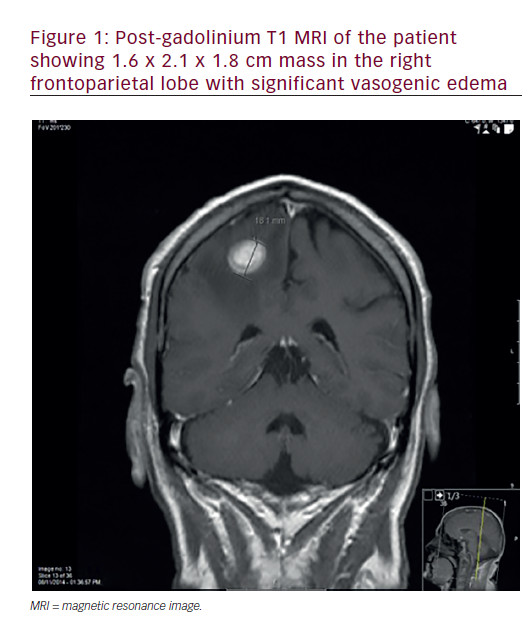
Esophageal cancer is one of the deadliest cancers, and its incidence is on the rise worldwide.1 In the United States, an estimated 16,980 cases of esophageal cancer were diagnosed in 2015 and 15,590 deaths are expected from the disease. With the latest advances in multimodality approaches, the five-year survival rate has risen only to a […]
Adrenocortical carcinoma (ACC) is a rare and aggressive malignancy of the adrenal cortex, with an annual US incidence of approximately one to two new cases per million population.1,2 Overall, ACC carries a poor prognosis, with the most consistent prognostic factor being the tumor stage at the time of diagnosis.3 Retrospective studies have reported a five-year […]
Genitourinary Cancer
Urothelial carcinoma of the bladder (UCB) is a highly prevalent and lethal disease, with an estimated annual global incidence and mortality of 430,000 and 165,000, respectively.1The vast majority of mortality from UCB is due to invasive cancers (invading the muscularis propria and beyond, ≥T2) and advanced disease stages (lymph node or distant metastases, N1-3 and […]
Lung Cancer
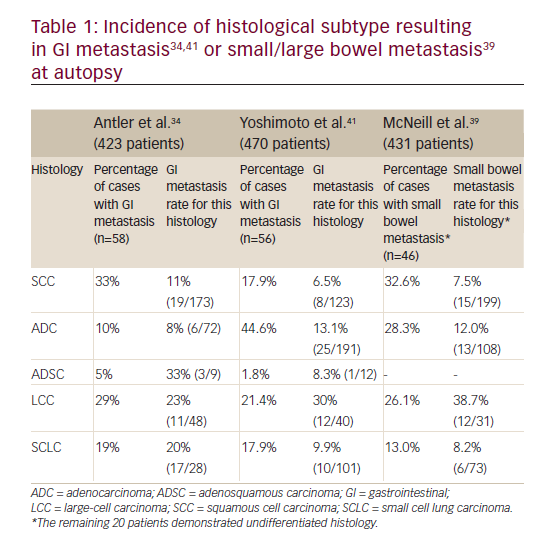
Malignancies of the lung are common, and are the leading cause of cancer deaths worldwide.1Non-small cell lung carcinoma constitutes the majority of these lesions, with small cell lung carcinomas comprising the remainder (15%).1Non-small cell lung cancers are subdivided into three histological subtypes: adenocarcinoma, large-cell carcinoma, and squamous-cell carcinoma.1The subtypes are associated with various mutations, and […]

Trending Topic
This issue of touchREVIEWS in Oncology & Haematology brings together a diverse collection of articles reflecting the growing complexity of cancer care and the continued evolution of precision medicine across tumour types. From rare malignancies and treatment-related challenges to emerging targeted therapies and novel biological insights, the contributions highlight both recent progress and the significant […]
Journal Archive


Log into your Touch Account
Keep track of your clinical interests and newsletter subscriptions.
Sign up with an Email
Or use a .
Register now for FREE access
Already registered? Login below.