
ONCOLOGY & HEMATOLOGY – REVIEW VOLUME 13 ISSUE 2 – FALL 2017
Welcome to the Fall 2017 edition of Oncology & Hematology Review (US). This edition of the journal is opened with a letter from our Editor in Chief, Shaji Kumar, which is followed by and expert interview with Dr Suresh Ramalingam, on immune therapies in NSCLC, and an editorial on prostate cancer screening from Monique Roobol.
The journal covers a broad range of topics and includes reviews on adult acute lymphoblastic leukemia, and myelodysplastic syndrome, from Xavier Thomas and Alcedo et al., respectively. Kinsey and Salma review current therapies for, and the future of, metastatic uveal melanoma; and Hendifar and Bullock review the use of PEHPG20 in the treatment of pancreatic ductal adenocarcinoma. Dr Alan Koletsky discusses the therapeutic landscape in metastatic prostate cancer, which is followed by a review on the treatment approach for adrenal oligometastases secondary to NSCLC.
We hope you enjoy this edition of Oncology & Hematology Review (US), and find it useful for your practice. We look forward to bringing you our Spring 2018 edition, and plenty of topical content in the meantime.
Letter from the Editor-in-Chief
Dear Colleagues Oncology & Hematology Review (US) is now accepting submissions to the Spring and Fall 2018 editions. Oncology & Hematology Review (US) aims to provide practicing oncologists and hematologists with concise and timely articles that provide practical advice relevant to clinical practice. Authors are invited to submit original research, review articles, case reports, and […]
Expert Interview
Q: Following the emergence of targeted therapies in non-small cell lung cancer, how useful is the testing of circulating tumor-derived DNA for EGFR mutation testing? Testing peripheral blood for actionable mutations represents a major advance in the management of lung cancer. It is now possible to understand mechanisms of resistance to EGFR-targeted therapies. Recently, the […]
Editorial
Can PSA be used for early detection? Since the early 1990s I have been involved in prostate cancer research. In those years one of the key research questions was whether prostate-specific antigen (PSA)-based screening could reduce disease-specific mortality. The first results using the PSA test in combination with a digital rectal examination (DRE) published in […]
Reviews
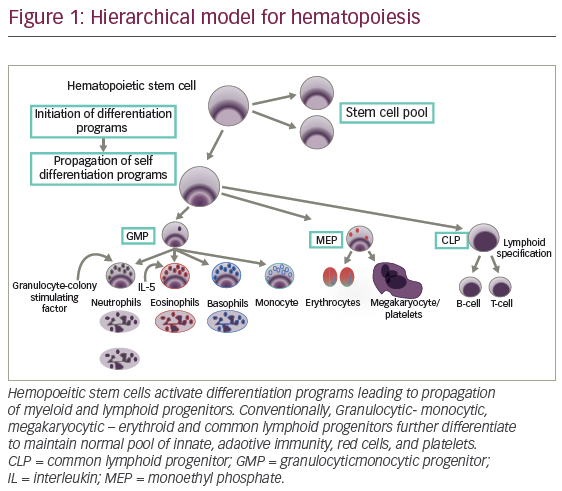
Myelodysplastic syndrome (MDS) is a cytogenetic, epigenetic, and immunological heterogeneous group of myeloid disorders characterized by dysplastic hematopoeisis and propensity for acute myelogenous leukemia (AML) transformation.1,2 The Surveillance, Epidemiology, and End Results (SEER) Program estimates that risk factors for the disease include, among others, aging,3 which is frequently associated with myeloid skewed hematopoeisis,4 male gender, […]
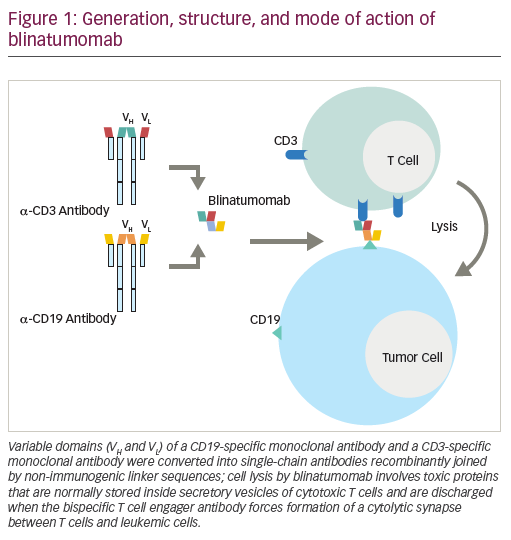
Acute lymphoblastic leukemia (ALL) is of B cell precursor lineage (BCP-ALL) or, less commonly, T cell precursor lineage (T-ALL), which comprise multiple subtypes defined by structural chromosomal alterations that are initiating lesions, with secondary somatic DNA copy number alterations and sequence mutations that contribute to leukemogenesis. Survival rates for ALL have steadily improved in children, […]
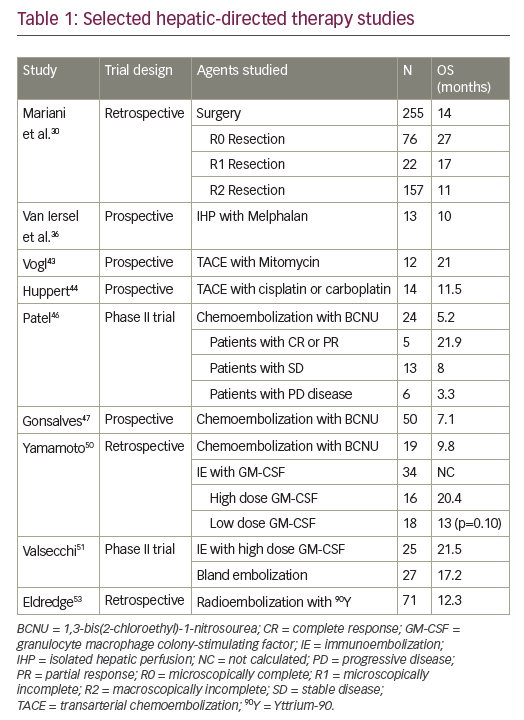
Ocular melanoma represents a small subset of total melanoma cases. Approximately 3.7% of melanoma cases are ocular,1 and slightly over 80% of ocular melanomas are classified as uveal.1,2 Most uveal melanomas occur from the choroid, with the remainder developing from the ciliary body or iris.1 The rate of ocular melanoma is 8–10 times higher in […]
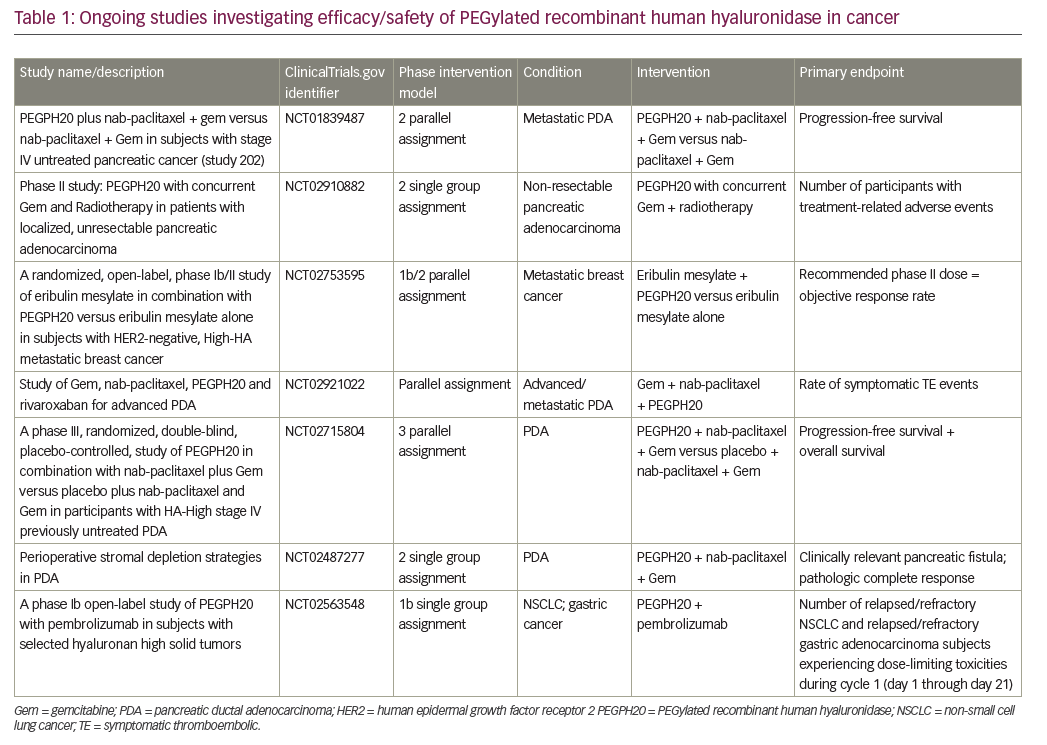
Despite progress in managing many cancer types in recent decades, metastatic pancreatic ductal adenocarcinoma (PDA), accounting for over 90% of all malignancies of the pancreas, continues to have an extremely poor prognosis. Indeed, in the US PDA has an estimated 5-year survival rate of 8% for all patients and 3% for metastatic disease.1,2 PDA is […]
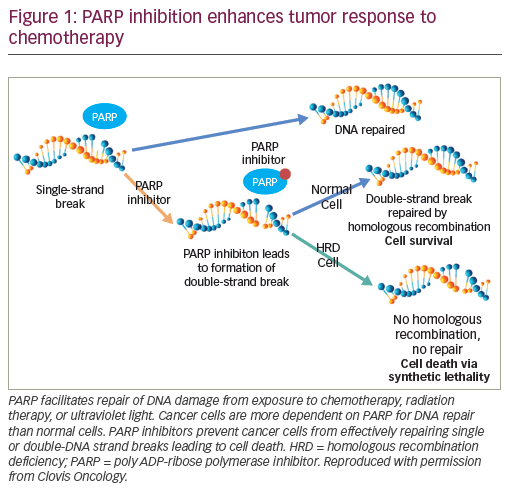
Androgen ablation therapy (ADT) alone has long been the standard of care (SOC) for patients with metastatic prostate cancer initiating systemic therapy. Although most patients treated with standard ADT achieve a substantial prostate specific antigen (PSA) decline, transition to a castration-resistant state invariably occurs. In a large retrospective review of 659 patients with primary advanced […]
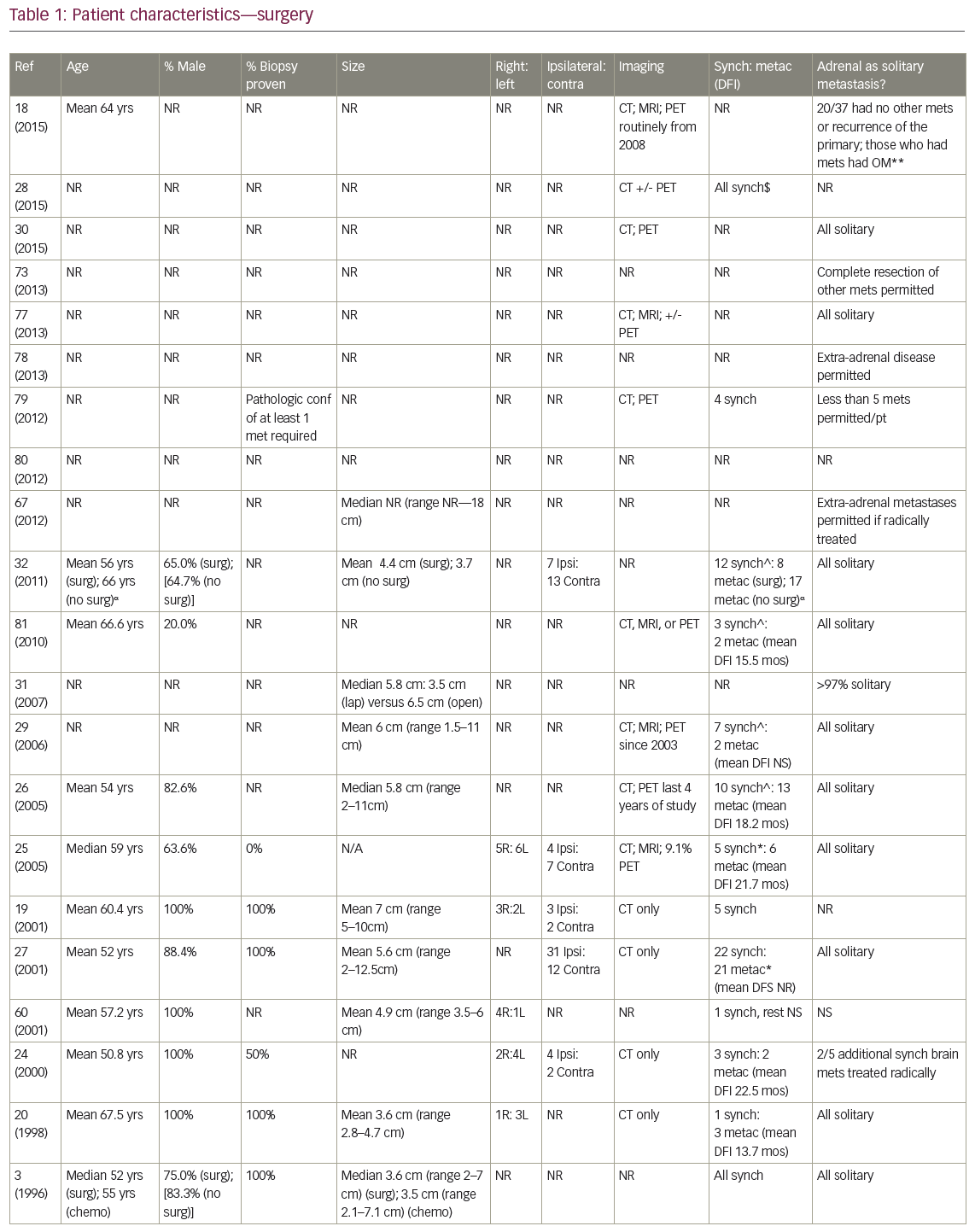
Lung cancer is the most common non-cutaneous cancer globally, and the foremost cause of cancer mortality.1 Non-small cell lung cancer (NSCLC) accounts for 80–85% of all lung cancer.2 Forty to fifty percent of patients diagnosed with NSCLC have disease which is incurable at presentation, due to pleural or pericardial effusion, or metastatic (distant) spread;2,3 the […]

Trending Topic
This issue of touchREVIEWS in Oncology & Haematology brings together a diverse collection of articles reflecting the growing complexity of cancer care and the continued evolution of precision medicine across tumour types. From rare malignancies and treatment-related challenges to emerging targeted therapies and novel biological insights, the contributions highlight both recent progress and the significant […]
Journal Archive



Log into your Touch Account
Keep track of your clinical interests and newsletter subscriptions.
Sign up with an Email
Or use a .
Register now for FREE access
Already registered? Login below.