
ONCOLOGY & HEMATOLOGY REVIEW – VOLUME 14 – ISSUE 1 – SPRING 2018
Welcome to the Spring edition of Oncology & Hematology Review, full of topical and practical content for busy oncologists.
Our Editor-in-Chief, Dr Shaji Kumar, opens the issue exploring new frontiers in the early detection of multiple myeloma.
In an expert interview the American Association for Cancer Research (AACR)’s most recently-elected President Elect (2018–2019), Dr Elaine R Mardis, talks to us about the challenges AACR faces in advancing cancer research and translational medicine. From our Editorial Board, Eleni Andreopoulou discusses precision medicine in breast cancer, and Ulka Vaishampayan and Suresh Ramalingam talk about new advances and changing paradigms in renal cancer and non-small cell lung cancer.
In our review section, Soumitra Tole and colleagues provide an overview of the management of pediatric patients with anaplastic large cell lymphoma, and Ian Kleckner et al discuss how exercise may help with the toxicities associated with cancer therapy.
Finally, Veena Singh et al. share their clinical experience with detecting an ALK rearrangement using liquid biopsy in a patient with advanced non-small cell lung cancer, and Michel Kmeid and colleagues provide a new perspective on the eponym of Plummer-Vinson disease in the context of head and neck manifestations of iron deficiency.
We hope you enjoy this edition, which will be distributed at the upcoming ASCO meeting – don’t forget to pick up a free copy at the meeting.
We are now accepting submission to our Fall edition, and welcome you to submit your manuscript here.
Enjoy!
Editorial
One of the unique characteristics of multiple myeloma (MM) is the presence of the precursor stage that often lasts for over a decade before active therapy is required, namely monoclonal gammopathy of undetermined significance (MGUS).1,2 While it seems intuitive that we could intervene at the time of recognition of the clonal process, patients with MGUS […]
Expert Interviews
Q. What are the main aims of the American Association for Cancer Research (AACR)? The AACR as an organization aims to promote cancer research worldwide. We are the oldest cancer research-focused association in the US, having just celebrated our 110th anniversary this past year. AACR offers a variety of cancer-focused meetings throughout the year and […]
Q. Could you tell us a little about the latest research in organoids and biomimetic platforms in precision medicine? Precision medicine aims to utilize information about a patient’s tumor, including gene alterations that may aid in the identification of effective therapies.1 Recent advances have allowed researchers to combine genomic analysis with ex vivo drug screens. […]
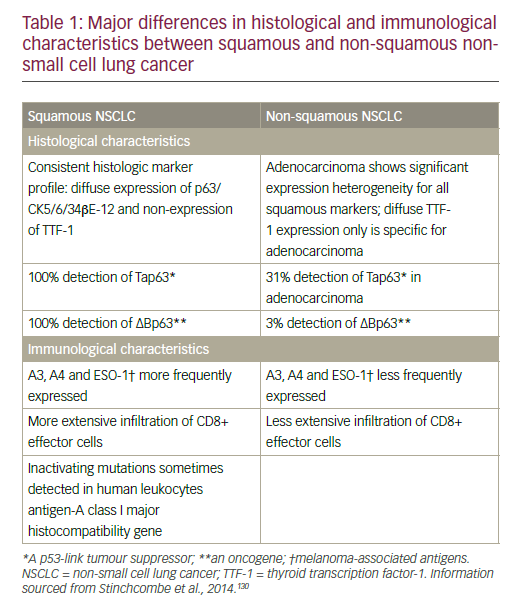
In 2015, more than 430,000 people in the US were living with lung cancer and there were around 221,200 new cases of lung cancer. Deaths from lung cancer are estimated to be in the region of 158,040.1 Lung cancer is the most frequent cause of cancer deaths in men globally and, in women, lung cancer […]
Q. What are the currently approved treatment options for newly diagnosed patients with metastatic renal cell carcinoma (RCC)? The currently approved therapies are of two different types: targeted therapy and immunotherapy. Between 2005 and 2014 the backbone of therapy in RCC was anti-angiogenic therapy and in 2015 immune therapy in the form of immune checkpoint […]
Reviews
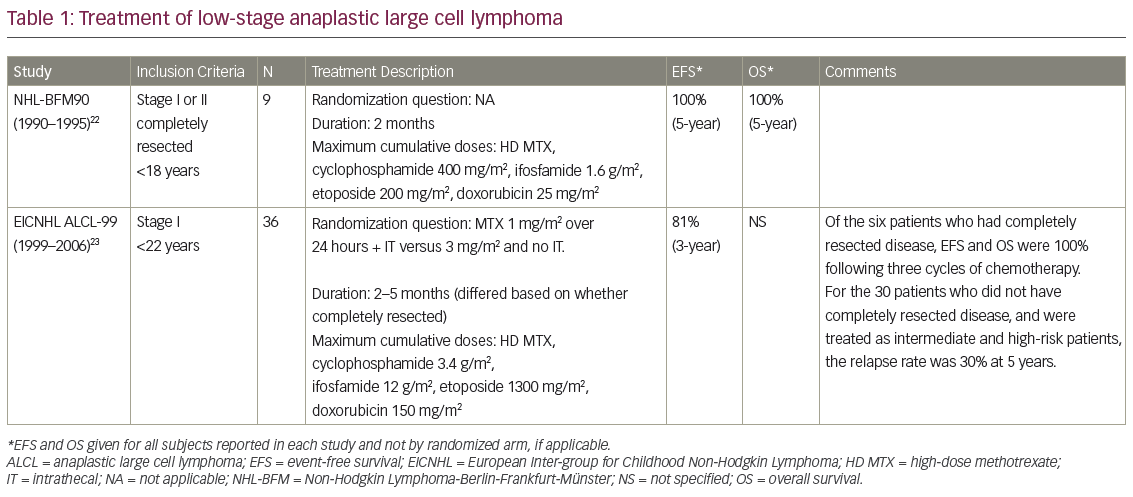
Over the course of the last three decades there has been significant improvement in the outcomes of children with non-Hodgkin lymphoma (NHL).1 However, despite varied treatment strategies and sequential clinical trials, the prognosis for one NHL subtype, anaplastic large cell lymphoma (ALCL), has remained largely unchanged.2 ALCL, a peripheral T-cell lymphoma, was first described in […]
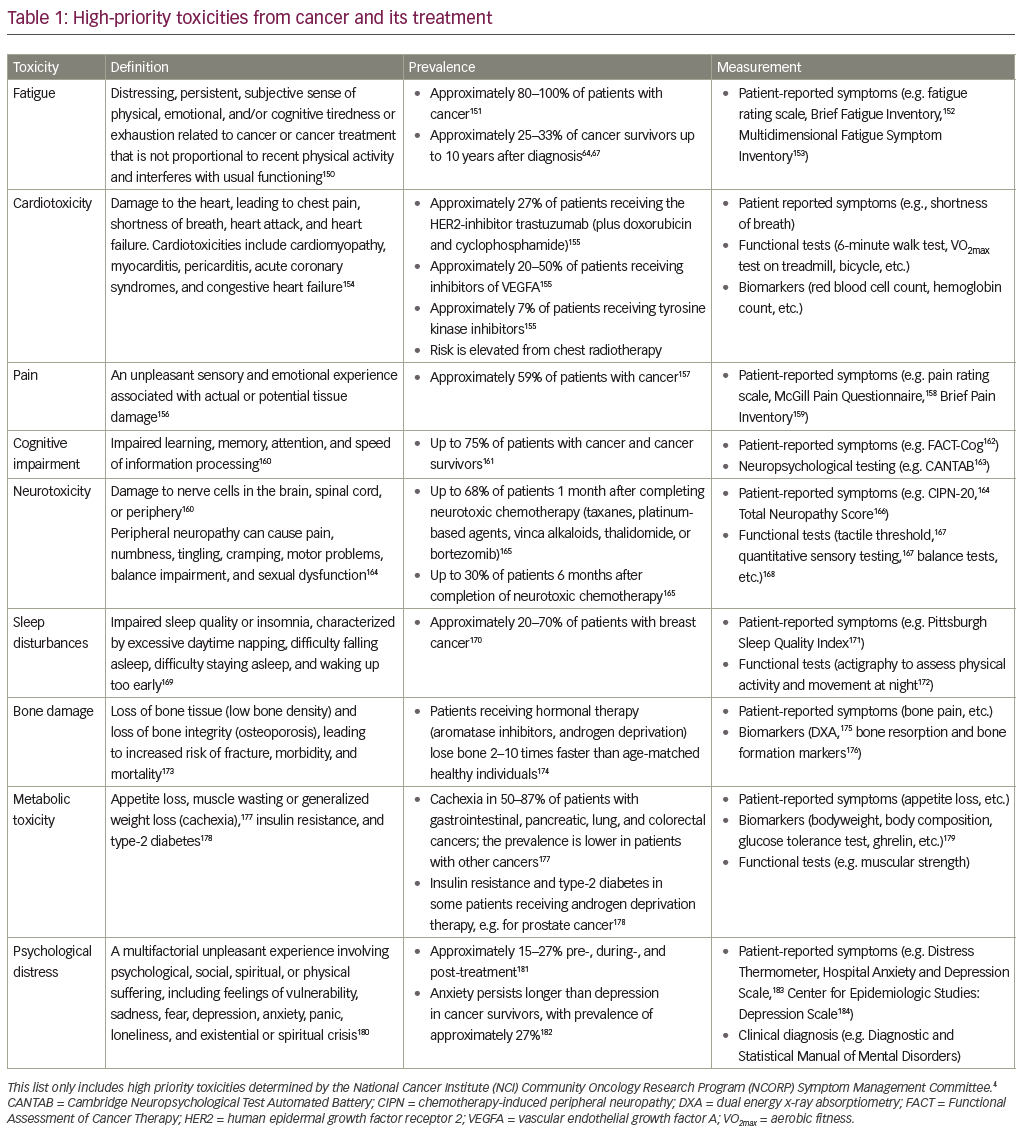
Forty percent of Americans will be diagnosed with cancer in their lifetimes.1 Due to continued advances in cancer detection and treatment, there are an unprecedented number of cancer survivors. In fact, the 5-year survival rate for all cancers has increased from 50% in the 1970s to 67% during the period of 2006–2012.2 The two most […]
Case Reports
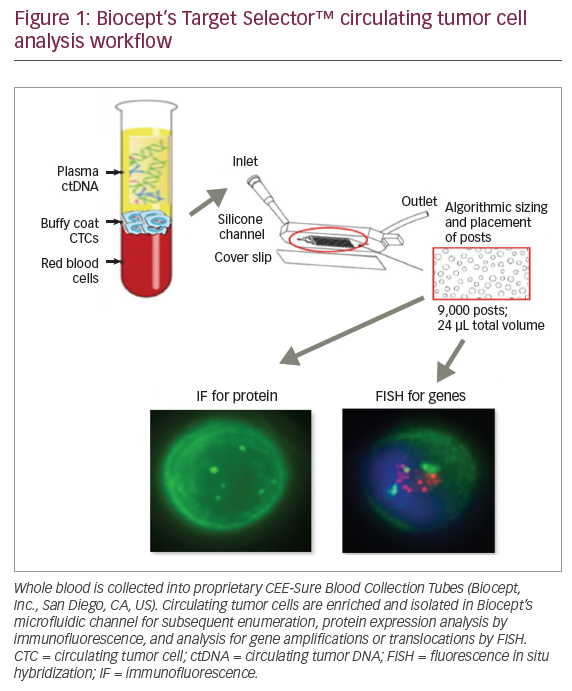
It has been clearly established that non-small cell lung cancers (NSCLCs) associated with known molecular drivers (e.g., rearrangement of the ALK gene, or mutations activating the epidermal growth factor receptor [EGFR] gene) respond favorably to targeted, first-line therapies compared with standard chemotherapy.1,2 The National Comprehensive Cancer Network recommends EGFR and ALK testing (category 1), as […]

Bilateral Obliterative External Otitis in the Context of Chronic Iron Deficiency—Report of Two Cases
Plummer-Vinson syndrome is a rare disorder that predominantly affects middle-aged women.1 It is widely renowned throughout the medical literature as the result of a chronic iron deficiency state. Yet, the underlying mechanisms leading to the multitude of head and neck manifestations characteristic of this disease are only speculative and are not completely understood. Such manifestations […]

Trending Topic
The first primary microangiopathic haemolytic anaemia was identified as thrombotic thrombocytopenic purpura (TTP) by Dr Moschowitz in 1924. At that time, the classic pentad of clinical features, still used today, included fever, erythrocyte fragmentation, thrombocytopenia, kidney injury and neurologic injury.1 It is now known that this disease is characterized by the deficiency of a disintegrin and metalloproteinase with thrombospondin-1-like […]
Journal Archive



Log into your Touch Account
Keep track of your clinical interests and newsletter subscriptions.
Sign up with an Email
Or use a .
Register now for FREE access
Already registered? Login below.