
Gastrointestinal Cancers
An Introduction to Gastrointestinal Cancers
Despite advances in radiotherapy, chemotherapy, and targeted therapy for gastrointestinal cancers, the disease has high recurrence rates and a poor prognosis. However, increased understanding of molecular biology has enabled significant progress in the management of oesophageal, gastric, liver, colorectal and pancreatic malignancies. Immunotherapies such as PD1 inhibitors plus HER-targeted therapies have improved survival in several gastrointestinal tumour types, while PARP inhibitors have been introduced as first-line maintenance treatment for BRCA-mutated metastatic pancreatic cancer.
Expert video highlights, insights from the conference hub and comprehensive peer-reviewed articles from our journal portfolio provide updates on the changing treatment landscape.
Our supporting partners do not constitute an endorsement of the content on this page.

At European Society for Medical Oncology (ESMO) Congress 2026, new data from VOLGA, KEYNOTE-B15, ENERGIZE, KEYNOTE-866 and POTOMAC examine perioperative treatment combinations, circulating tumor DNA (ctDNA) and bladder-preserving strategies across muscle-invasive and non-muscle-invasive bladder cancer.
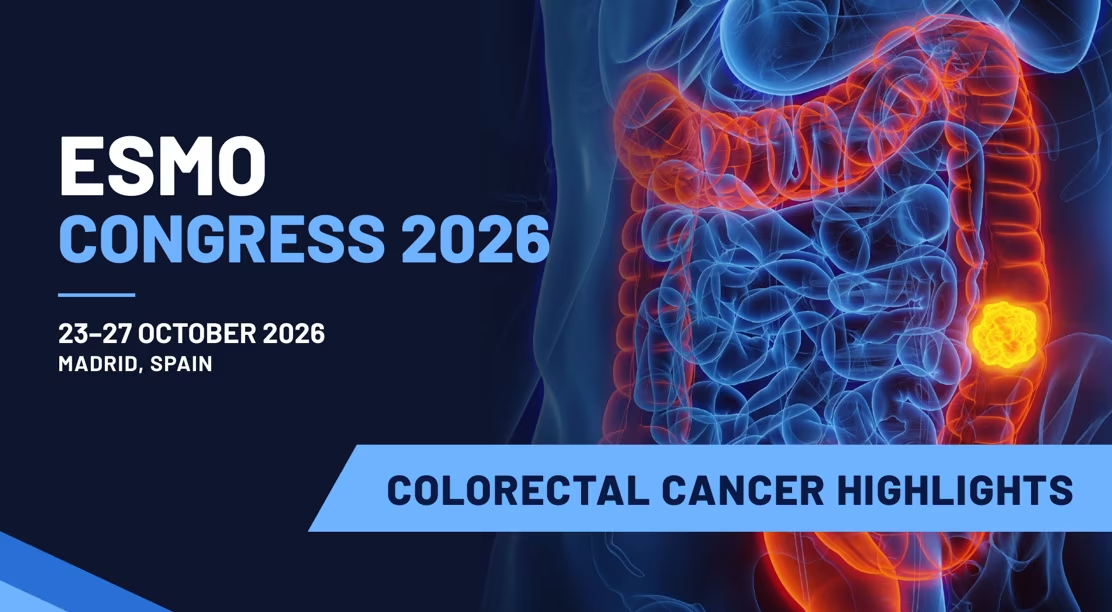
What are the most important developments in lower gastrointestinal oncology from ESMO 2026? Five selected studies examine key questions across locally advanced rectal cancer and metastatic and early-stage colorectal cancer. From the potential for immunotherapy to support organ preservation in dMMR/MSI-H rectal cancer, to longer-term survival outcomes with dual checkpoint inhibition and strategies to overcome acquired resistance to targeted therapy, these findings offer insights into evolving treatment approaches and their potential implications for clinical practice.

It is with great pleasure that we present the latest edition of touchREVIEWS in Oncology & Haematology. This issue reflects the growing momentum of precision oncology, from liquid biopsy and response-adapted strategies to antibody–drug conjugates (ADCs) and immune-based therapies, ...

Gastrointestinal (GI) cancers constitute a major contributor to global cancer incidence and mortality and remain among the leading causes of cancer-related death worldwide despite advances in prevention, screening and supportive care.1,2 Collectively encompassing malignancies of the esophagus, stomach, liver, biliary ...

Can advances in antibody-drug conjugate design translate into meaningful survival benefits across more tumor types and earlier treatment settings, without unacceptable toxicity? Having transformed treatment for HER2-positive breast cancer, ADCs are now taking center stage in Madrid, featuring in one-third of the Presidential Symposium late-breaking abstracts. These studies illustrate a shift from established HER2-directed approaches, toward a broader landscape of targets, payloads and clinical applications. In this article, we examine the key trials to watch and the clinical questions they aim to address.


With the European Society for Medical Oncology (ESMO) Congress 2026 fast approaching, attention is turning to Madrid, where the meeting is held from 23–27th October. Whether you are joining onsite or via the virtual platform, the three Presidential Symposia are the sessions not to miss. This year they carry 12 late-breaking abstracts (LBAs) spanning melanoma, lung, genitourinary, gastrointestinal, gynecological and rare cancers. With close to 300 scientific and educational sessions to choose from, we know the programme can feel overwhelming. So we have put together a quick guide to the headline sessions: when and where they run, who is presenting, and links to explore each one in the programme planner, so you can decide which to prioritize.

The European Society for Medical Oncology (ESMO) Congress 2026 promises a compelling program of clinical data, spanning personalized cancer vaccines, next-generation antibody–drug conjugates (ADCs) and novel approaches to targeted therapy and immunotherapy. With several studies already generating excitement following positive topline announcements, all eyes will be on the full results and their potential implications for clinical practice. Below, we highlight the 12 presidential abstracts to watch, the key findings to look out for and the questions these studies could help answer.
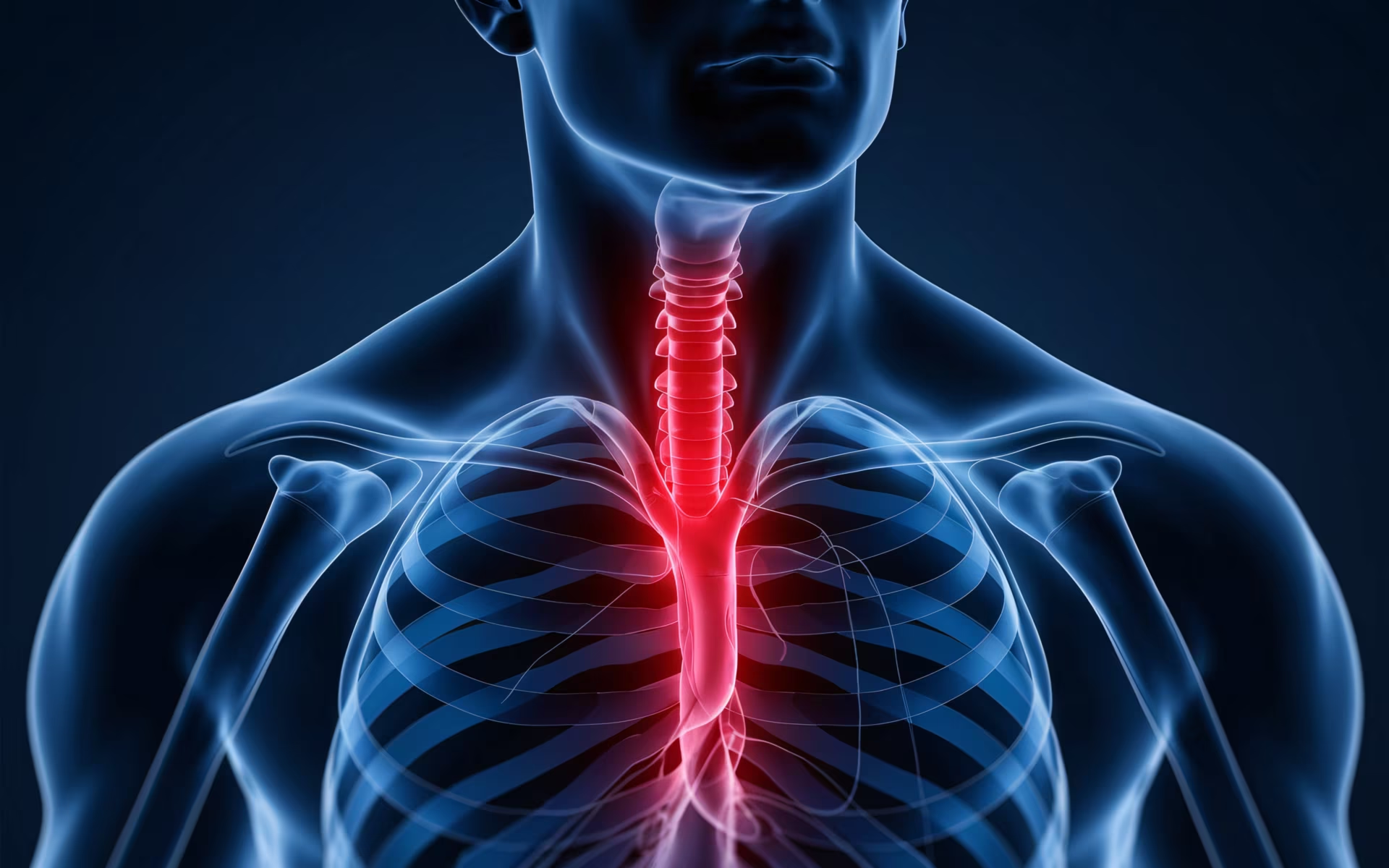
Esophageal cancer (EC) is a major global health concern, ranking as the 11th most commonly diagnosed cancer and the seventh leading cause of cancer-related deaths worldwide, with an estimated 494,320 new cases and 441,994 deaths in 2024.1 Esophageal squamous cell carcinoma (ESCC) remains ...



Join us as leading experts discuss key data from the Plenary, Late-breaking and top oral sessions across each major disease area at ASCO 2026 touchONCOLOGY coverage of ASCO 2026 2026 American Society of Clinical Oncology (ASCO) Annual Meeting brought together the global oncology ...

Abderrahim Oussalah discusses findings from the SEPT9_CROSS study evaluating circulating methylated SEPT9 as a blood-based biomarker for HCC detection in cirrhosis. “These findings support a two-tier surveillance framework in which mSEPT9 and AFP work together to improve both the ...

Several late-breaking gastrointestinal oncology studies presented at ASCO 2026 highlighted how treatment selection is continuing to evolve across colorectal, hepatobiliary, gastric, and esophageal cancers, with new data on ctDNA-guided adjuvant therapy, earlier integration of targeted agents, and intensified perioperative strategies. In this round-up, we have selected six of the most important late-breakers, and examine the latest data from CIRCULATE, BREAKWATER, EMERALD-3, Neo-CRAG, SCIENCE, and RC48-C027.

The five selected Plenary late-breaking abstracts at the ASCO 2026 Annual Meeting in Chicago showcased some of the meeting’s most practice-influencing data. Across prostate cancer, sarcoma, lung cancer and pancreatic cancer, these phase 3 studies demonstrated meaningful improvements in survival outcomes, highlighting the growing impact of perioperative intensification, precision oncology and novel targeted therapies in difficult-to-treat disease settings.
This issue of touchREVIEWS in Oncology & Haematology brings together a diverse collection of articles reflecting the growing complexity of cancer care and the continued evolution of precision medicine across tumour types. From rare malignancies and treatment-related challenges to emerging ...
The plenary session at the AACR Annual Meeting 2026 brought sharp focus to one of oncology’s most urgent challenges: the global rise in early-onset cancers. Across four complementary presentations, speakers combined epidemiology, molecular biology and clinical insight to frame a multifactorial, and still evolving, picture of risk in younger populations. Below, we have broken down the key points and take-home messages from the session.

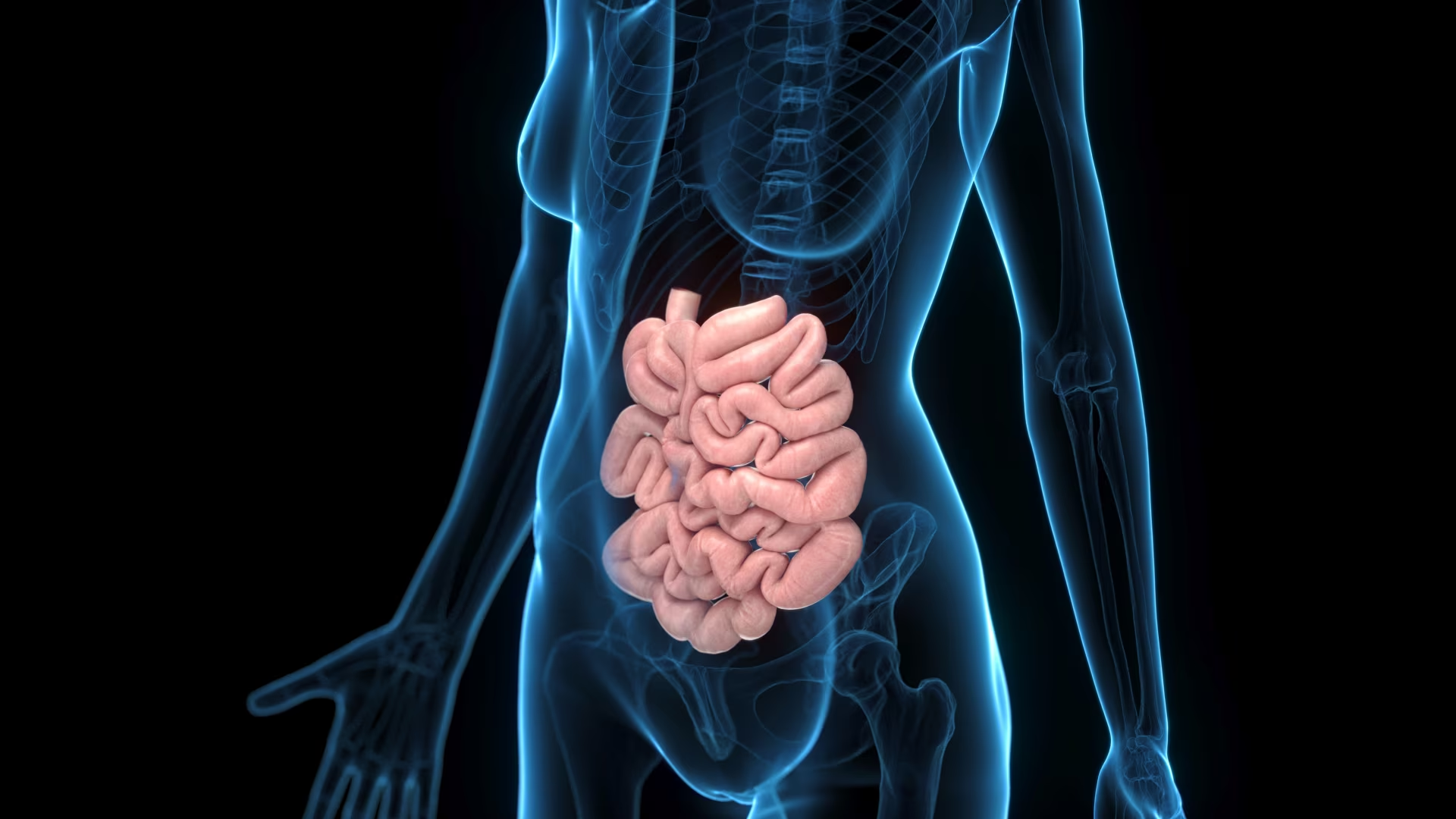
Small bowel adenocarcinoma (SBA) is a rare gastrointestinal malignancy, accounting for about 1–3% of gastrointestinal cancers.1,2 Its reported incidence has increased in recent decades, likely reflecting improved detection by balloon-assisted and capsule endoscopy and the more widespread use of cross-sectional imaging.3,4 ...
Log into your Touch Account
Keep track of your clinical interests and newsletter subscriptions.
Sign up with an Email
Or use a .
Register now for FREE access
Already registered? Login below.
