
EUROPEAN ONCOLOGY & HAEMATOLOGY – VOLUME 11 ISSUE 2 – WINTER 2015
Welcome to the Winter edition of European Oncology & Haematology . This edition, expertly introduced by Paolo Ascierto, features a wide range of timely and concise review articles on some of the most important topics in the field including breast cancer, lung cancer, multiple myeloma, lymphoma and haematology. In the lung cancer section Rolfo et al discuss adverse event management in ALK+ non-small cell lung cancer and Vansteenkiste et al explore the future of vaccines in lung cancer. Haematological malignancies are a key theme within this issue with a selection of topical articles. Richardson et al review pomalidomide in the treatment of relapsed/refractory multiple myeloma and Jager and Hutchings discuss antibody-drug conjugates in relapsed/refractory CD30-positive lymphomas. We hope this new collection of articles provide useful information relevant to your practice and interests. Enjoy!
Welcome to the latest edition of European Oncology & Haematology, which features a wide variety of topical articles. This issue begins with an article by Harbeck et al. on the Prosigna® (PAM50) Gene Signature Assay as a new-generation genomic test for treatment decision-making in early breast cancer, which is indicated for post-menopausal women with early-stage […]
Breast Cancer
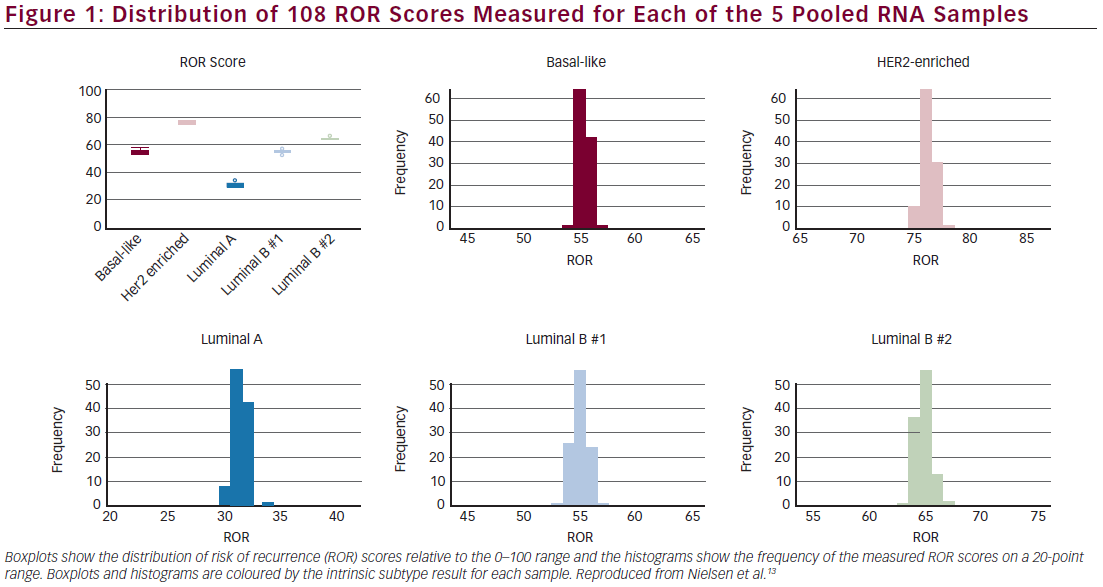
While the incidence of primary breast cancer has increased recently, most patients are diagnosed with early-stage disease and good prognosis. Around 80 % of patients with early breast cancer have estrogen receptor (ER)-positive disease and their prognosis will be improved substantially by endocrine therapy.1 Nevertheless, the rate of distant recurrence (DR) in these patients can […]
Lung Cancer
Over the last decade, targeted agents have clearly improved treatment options for molecularly selected patients with advanced non-small cell lung cancer (NSCLC) harbouring an oncogene driver, such as an activating epidermal growth factor receptor (EGFR) gene mutation or an anaplastic lymphoma kinase (ALK) gene translocation.1,2 But for the majority of Caucasian patients, standard chemotherapy remains […]
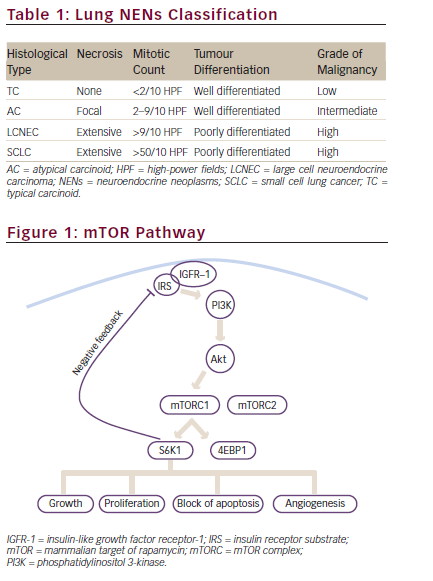
Neuroendocrine neoplasms (NENs) are a group of rare and heterogeneous malignancies that arise from neuroendocrine cells in most organs of the body. The presence, rather than absence of symptoms due to neuropeptides or hormones hypersecretion, distinguishes NENs in functioning and non-functioning tumours, respectively. The term NEN is used to denote any type of neuroendocrine malignancies, […]
Multiple Myeloma
During the last decade, significant therapeutic progress has been made in the treatment of multiple myeloma (MM). MM is the second most common haematological malignancy. It is a highly symptomatic disease with the following common symptoms: osteolytic skeletal damage, renal impairment, anaemia, hypercalcaemia and severe infections. Historically, the outcome of MM patients was very dismal […]
Multiple myeloma (MM) therapy has undergone dramatic changes over the last decades, including the use of autologous haematopoietic cell transplants and the development of generations of cereblonand proteasome-inhibiting drugs. This progress has translated into a significant improvement in survival for standard risk patients and, even long-term disease control, and maybe a cure, can be achieved […]
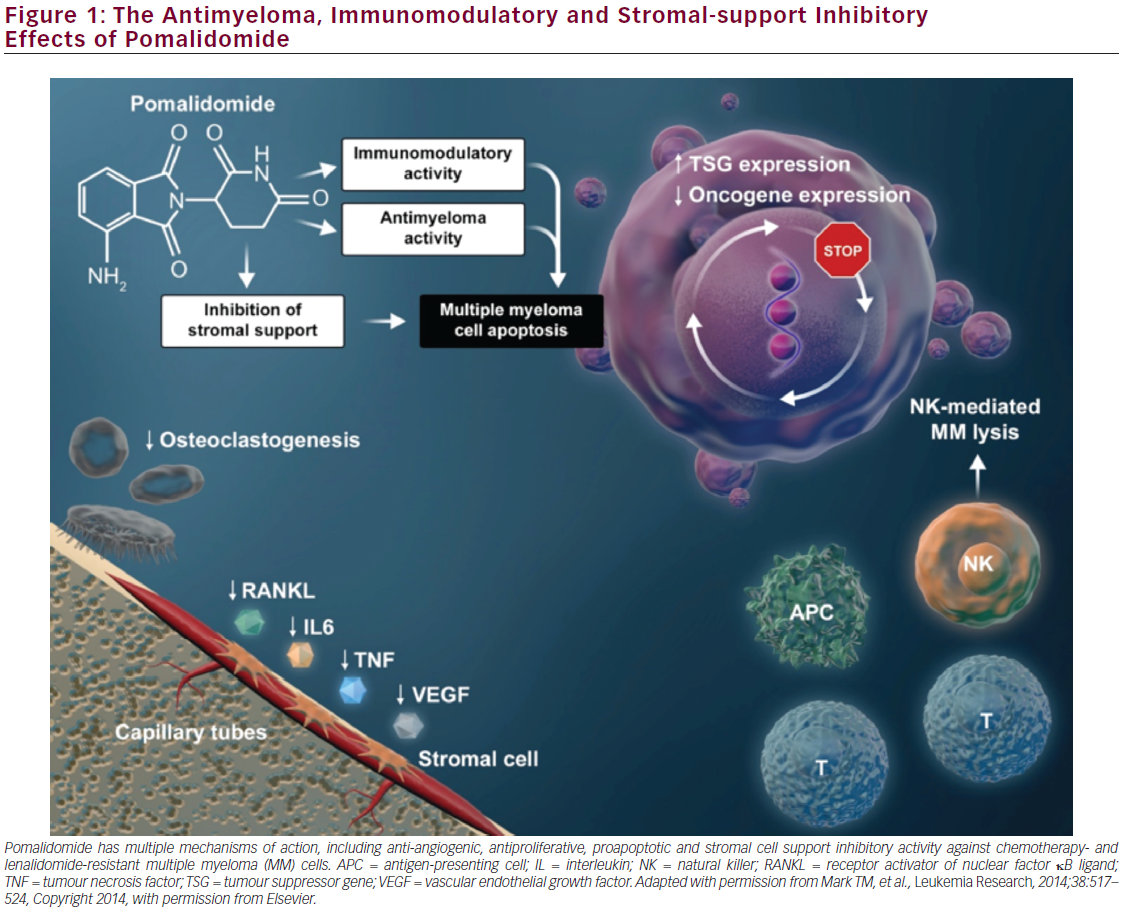
Multiple myeloma (MM) is an incurable disease characterised by accumulation of clonal plasma cells in the bone marrow and accounts for approximately 10 % of all haematological malignancies.1 Advances in the understanding of MM, better identification of high-risk patients, and the recent development of several novel agents have improved response and nearly doubled the length […]
Lymphoma
Approximately 10 % of patients with localised Hodgkin’s lymphoma (HL) and 20 % with disseminated HL fail to respond to or relapse after a first-line treatment. The standard of care indicated by a randomised study1 is salvage chemotherapy followed by consolidation with autologous stem cell transplant (ASCT). Salvage chemotherapy followed by ASCT induces long-term remission […]
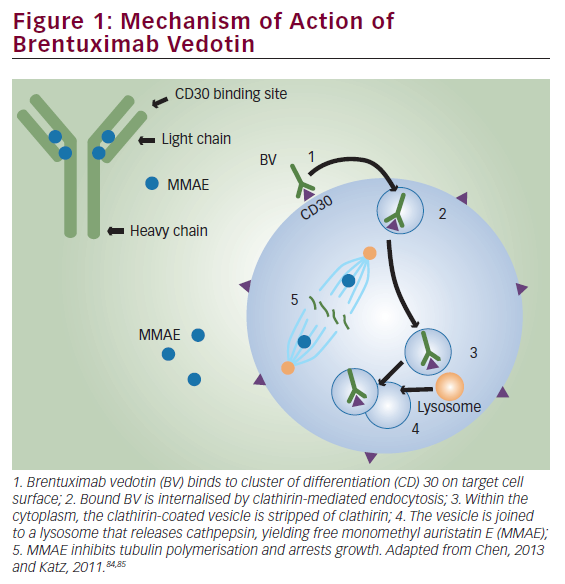
Antibody-based therapeutics have become an essential component of cancer therapy since the introduction of rituximab in the late 1990s. However, although they can confer clinical benefits, especially when combined with chemotherapy, many monoclonal antibodies do not provide long-term beneficial effects.1 There is therefore a need to improve the therapeutic efficiency of monoclonal antibodies. Antibody–drug conjugates […]
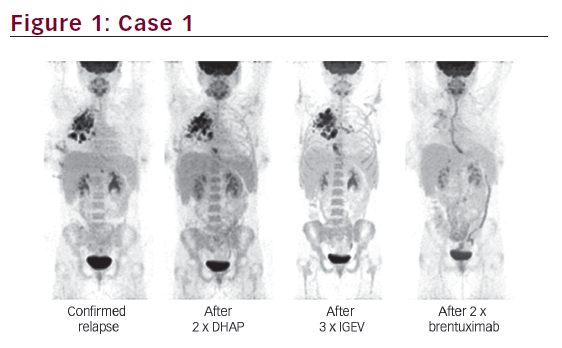
Chemotherapy achieves excellent response rates and long progressionfree survival (PFS) in classical Hodgkin’s lymphoma (cHL) and systemic anaplastic large cell lymphoma (sALCL).1 However, up to 30 % of patients with advanced HL do not achieve remission or relapse within a few years of initial treatment.2 Salvage chemotherapy followed by high-dose chemotherapy and autologous stem cell […]
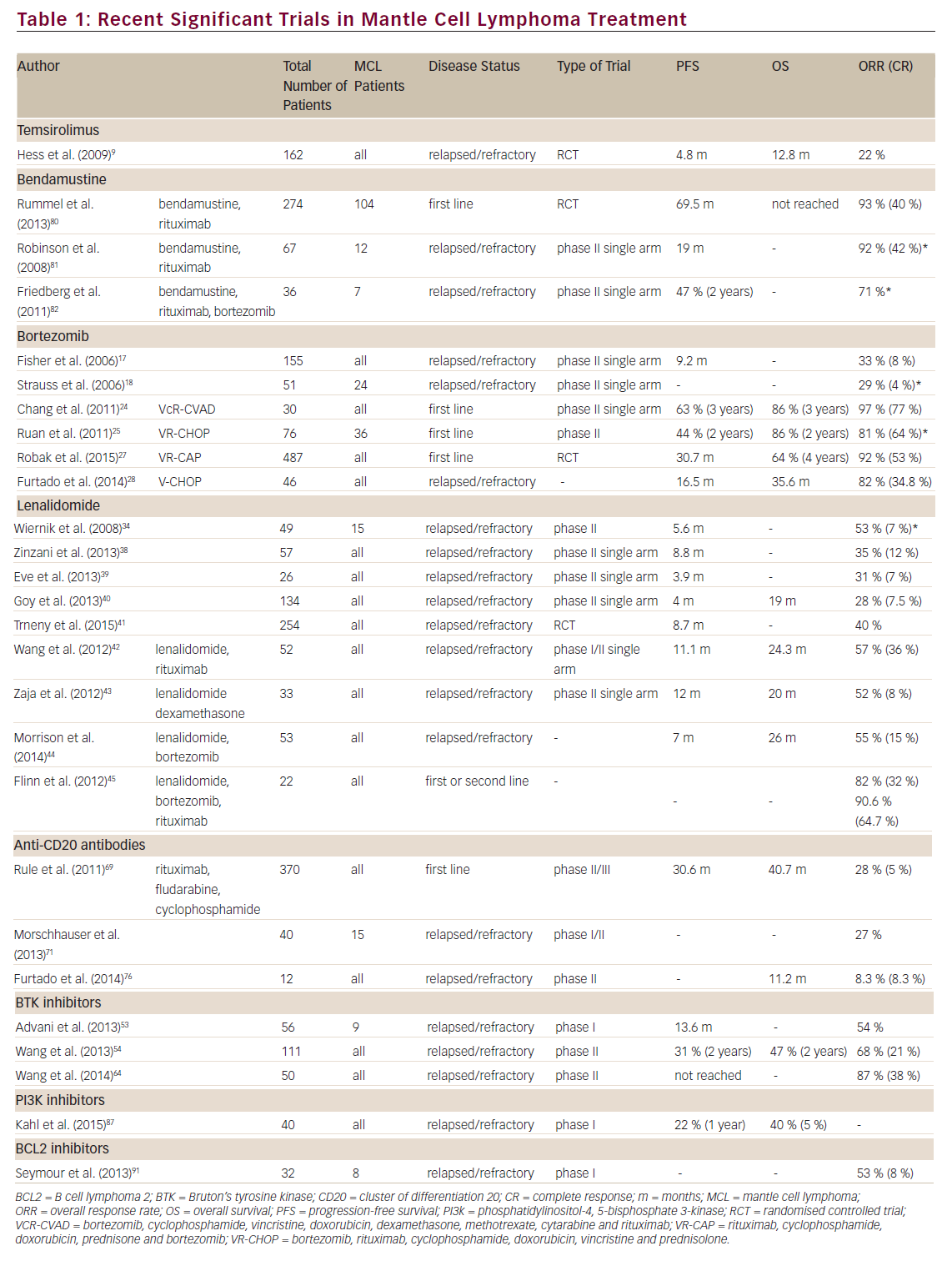
Mantle cell lymphoma (MCL) comprises ~6 % of all Non-Hodgkin lymphoma (NHL) with a median age at presentation of mid-60s. It is characterised by the t(11;14)(q13:32) translocation, which leads to overexpression of cyclin D1 resulting in subsequent dysregulation of the cell cycle and of several intracellular survival pathways.1 Although the survival of MCL patients has […]
Myelodysplastic Syndromes
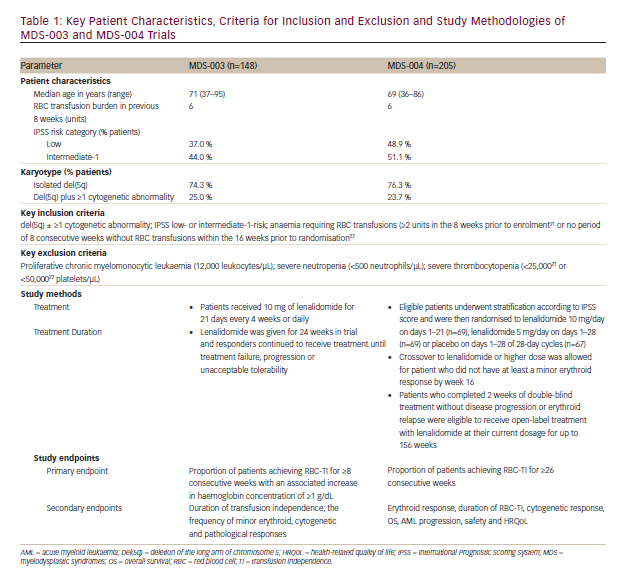
Myelodysplastic Syndromes and 5q Deletion Myelodysplastic syndromes (MDS) are a group of rare blood disorders that occur as a result of abnormal development of blood cells within the bone marrow. MDS may progress to life-threatening failure of the bone marrow or develop into an acute leukaemia. It affects, most commonly, the elderly population, with median […]
Haematology
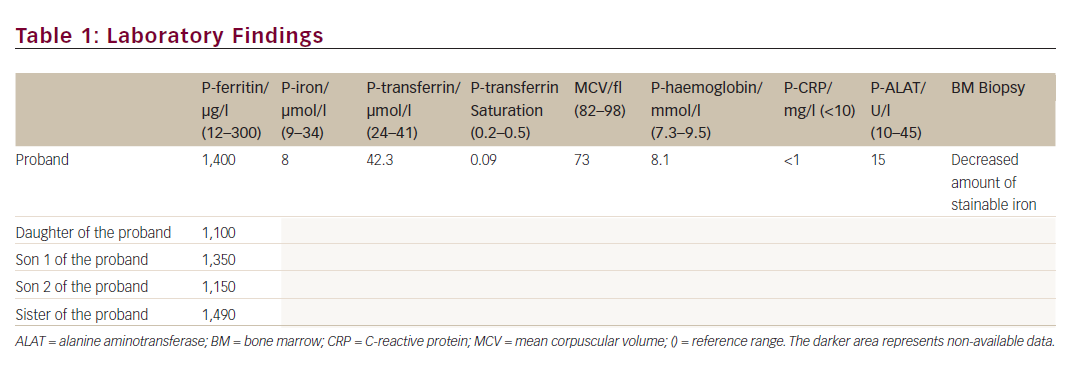
Hereditary hyperferritinemia-cataract syndrome (HHCS) is a rare autosomal dominant disorder associated with high plasma ferritin concentration without iron overload and early-onset bilateral cataract. HHCS was first described in 1995,1–3 and since then over 30 mutations, mainly point mutations and deletions, associated with HHCS have been reported.4–6 Isolated hyperferritinemia with plasma ferritin concentrations above 300 μg/l […]

Trending Topic
The first primary microangiopathic haemolytic anaemia was identified as thrombotic thrombocytopenic purpura (TTP) by Dr Moschowitz in 1924. At that time, the classic pentad of clinical features, still used today, included fever, erythrocyte fragmentation, thrombocytopenia, kidney injury and neurologic injury.1 It is now known that this disease is characterized by the deficiency of a disintegrin and metalloproteinase with thrombospondin-1-like […]
Journal Archive
Comprising articles contributed by renowned thought leaders, European Oncology & Haematology is a peer reviewed, free-to-access, bi-annual journal that aims to disseminate best practice through review articles addressing the most important and salient developments in the Oncological & Haematology field in practical terms.
European Oncology & Haematology
Frequency: Two print issues per year (Summer & Winter); ePub ahead of print throughout the year.
Print ISSN: 2045-5275 Electronic ISSN: 2045-5283
Indexing: EMBASE, Google Scholar, Genamics JournalSeek
Log into your Touch Account
Keep track of your clinical interests and newsletter subscriptions.
Sign up with an Email
Or use a .
Register now for FREE access
Already registered? Login below.