
In the originally published article there was an error in the abbreviations for Figure 1. The abbreviation “MEP” was incorrectly defined as “monoethyl phospohate”; this should read “megakaryocytic erythroid progenitor”.
Erratum to: Cytogenetic, Inflammatory, Immunologic, and Infectious Basis for Dysplastic Hematopoeisis
Share
Mark CompleteCompleted
BookmarkBookmarked
Copy LinkLink Copied
Select a Section…
1
Article
2
Further Resources

Trending Topic
Developed by Touch
Mark CompleteCompleted
BookmarkBookmarked
This issue of touchREVIEWS in Oncology & Haematology brings together a diverse collection of articles reflecting the growing complexity of cancer care and the continued evolution of precision medicine across tumour types. From rare malignancies and treatment-related challenges to emerging targeted therapies and novel biological insights, the contributions highlight both recent progress and the significant […]
Mark CompleteCompleted
BookmarkBookmarked
This issue of touchREVIEWS in Oncology & Haematology brings together a diverse collection of articles reflecting the growing complexity of cancer care and the continued evolution of precision medicine across tumour types. From rare malignancies and treatment-related challenges to emerging ...

Mark CompleteCompleted
BookmarkBookmarked
Immune checkpoint inhibitors (ICIs) act by blocking inhibitory pathways such as programmed cell death protein 1 (PD-1), programmed cell death ligand 1 (PD-L1) and cytotoxic T lymphocyte-associated antigen 4 (CTLA-4), thereby restoring T-cell activity and promoting tumour cell destruction.1,2 The ability of tumours ...

Mark CompleteCompleted
BookmarkBookmarked
Cancers of the anal canal are relatively uncommon, and account for less than 1% of all new cancer diagnoses in the UK.1 However, the incidence of these cancers has increased over the past decade, primarily in females, in which they have ...
Mark CompleteCompleted
BookmarkBookmarked
The antitumor activity of immune checkpoint inhibotors in various solid and haematologic malignancies has substantially increased immunotherapy implications for cancer. Once only a niche treatment for selected cancers (renal cancer and melanoma), now cancer immunotherapy has become an important option ...
Mark CompleteCompleted
BookmarkBookmarked
Cholangiocarcinoma is an epithelial malignancy of the biliary system characterized by cholangiocyte differentiation, and its incidence is on the rise. Currently, cholangiocarcinomas are classified by their anatomical location in the biliary system as intrahepatic cholangiocarcinoma, distal cholangiocarcinoma, or hilar cholangiocarcinoma. ...

Mark CompleteCompleted
BookmarkBookmarked
Q. What is the role of PARP-1 in the pathogenesis of cancer? PARP-1 is a protein that resides in the cell nucleus where it plays a role in most, if not all, nuclear functions (e.g. DNA repair, transcription, RNA ...
Mark CompleteCompleted
BookmarkBookmarked
Q. What are phosphopeptide tumor targets and why are they good candidates for vaccine and cell therapy development? PTTs are a novel class of neoantigen. They are portions of aberrantly phosphorylated proteins that are presented at the cell surface to ...
Mark CompleteCompleted
BookmarkBookmarked
Therapeutic cancer vaccination is a promising strategy that aims to treat late stage disease by using the patient’s own immune system.1 The immune system has the potential to eliminate cancer cells, since cancer cells express antigens that are unique ...
Mark CompleteCompleted
BookmarkBookmarked
Over the last decade, genomics has become an increasingly important part of cancer care. In some tumor types, such as lung cancer and melanoma, genetic profiling for actionable mutations has become standard clinical practice.1,2 The development of novel targeted molecular ...
Mark CompleteCompleted
BookmarkBookmarked
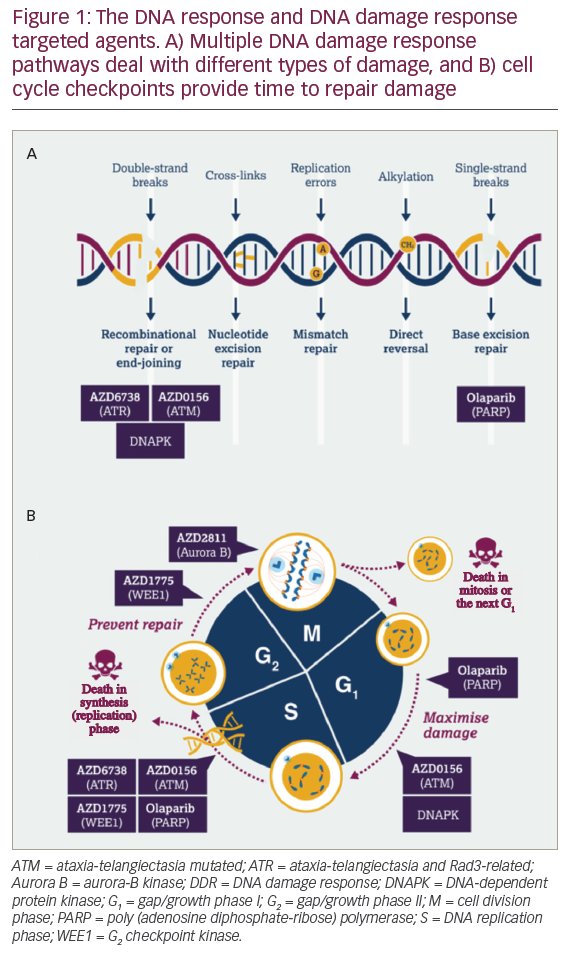
Introduction Presented by Sean Bohen Oncology is one of the cornerstone therapeutic areas for AstraZeneca, and within the AstraZeneca oncology drug discovery platform there are four main research areas: tumour drivers and resistance, immuno-oncology, antibody conjugates and the DNA damage ...

Mark CompleteCompleted
BookmarkBookmarked
Q. What are the main aims of the American Association for Cancer Research (AACR)? The AACR as an organization aims to promote cancer research worldwide. We are the oldest cancer research-focused association in the US, having just celebrated our 110th ...
Mark CompleteCompleted
BookmarkBookmarked
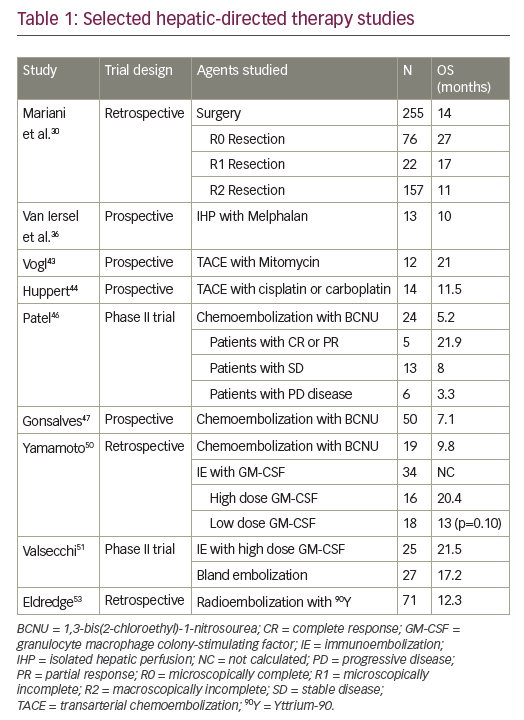
Ocular melanoma represents a small subset of total melanoma cases. Approximately 3.7% of melanoma cases are ocular,1 and slightly over 80% of ocular melanomas are classified as uveal.1,2 Most uveal melanomas occur from the choroid, with the remainder developing from the ciliary ...
Log into your Touch Account
Keep track of your clinical interests and newsletter subscriptions.
Sign up with an Email
Or use a .
Register now for FREE access
Already registered? Login below.