
ONCOLOGY & HEMATOLOGY – REVIEW VOLUME 11 ISSUE – 2 FALL 2015
Welcome to the Fall edition of Oncology & Hematology Review (US). This edition, expertly introduced by Shaji Kumar, features a wide range of timely and concise review articles on some of the most important topics in the field including breast cancer, cervical cancer, gastrointestinal cancer, genitourinary cancer, and hematologic malignancies. In the lung cancer section Dr Fenton explores current and future therapeutics for patients with non-small cell lung cancer and known activating mutations in EGFR, and Scagliotti and Novello focus on the investigational new agent rociletinib in the same patient set. Dr Warner discusses the important topic of knowledge management for oncologists and Friedman and Postow discuss the latest developments in managing immunotherapy-related side effects.
We hope this collection of topical articles provide useful information relevant to your practice and interests.
Welcome to the latest edition of Oncology & Hematology Review, which features a wide variety of articles covering topics of interest to oncologist and hematologists, as well as the wider medical community. This issue begins with a timely article by Warner about knowledge management for oncologists. In the current era of exciting advances in oncology, […]
Knowledge Management
Oncologists are facing challenging times. Cancer is forecast to become the leading cause of death in the US fairly soon, and is already the leading cause of disability-adjusted life years lost.1 As the workload of the practicing oncologist inevitably increases, the challenge is only compounded by the explosion of knowledge in the cancer space. As […]
Breast Cancer
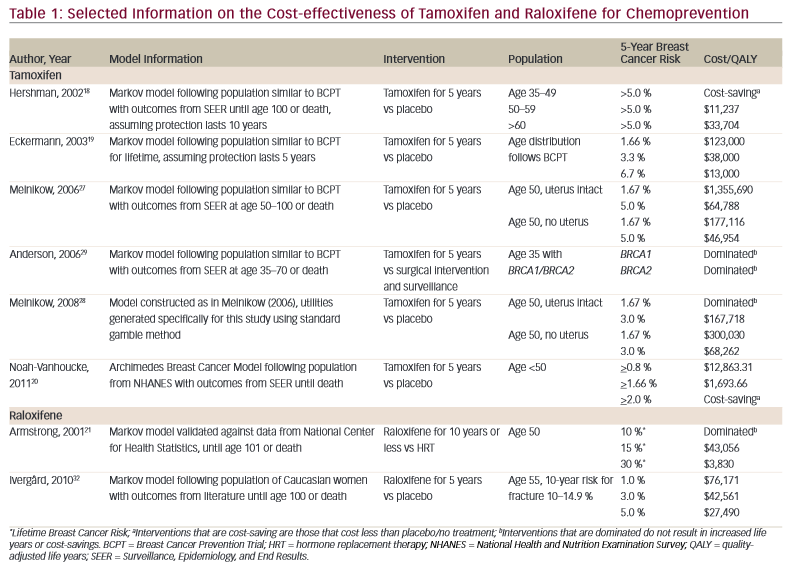
Breast cancer is the most commonly diagnosed cancer and is the second most common cause of cancer-related death among women in the US, leading to over 40,000 deaths annually.1,2 The cost of diagnosing, treating, and providing long-term follow-up care for these patients has a major impact on health systems. Estimates of the average annual costs […]
Gynecologic Cancer
Cervical cancer remains one of the leading causes of cancer-related morbidity and mortality worldwide, and is the fourth leading cause of cancer death in women.1 Human papilloma virus (HPV), particularly types 16 and 18, is significantly associated with subsequent development of cervical cancer, with an increased risk also seen among smokers.2 Cervical cancer incidence has […]
Hematologic Malignancies
Individualized treatment of patients with malignancy is feasible in modern oncology due to improved molecular techniques and the development of novel, targeted agents. Diffuse large B-cell lymphoma (DLBCL) is the most common non-Hodgkin lymphoma (NHL). Standard frontline therapy consists of combined immunochemotherapy with rituximab, cyclophosphamide, doxorubicin, vincristine, and prednisone (R-CHOP). Although outcomes for patients with […]
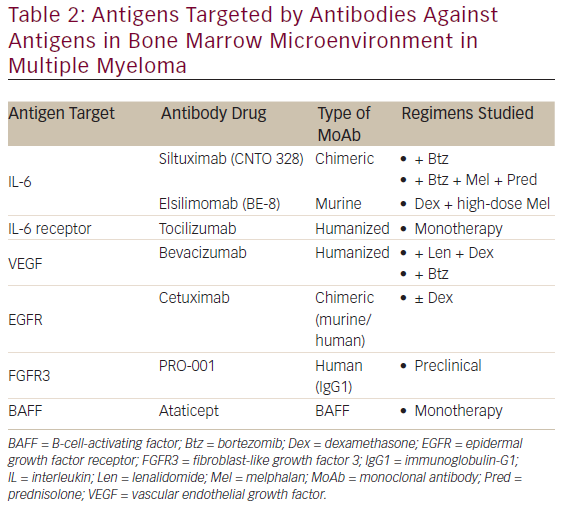
Multiple myeloma (MM) is the second most common hematologic malignancy representing 1.6 % of all new cancer cases in the US. The rates for new MM cases have been rising on an average of 0.8 % each year over the last 10 years. While the survival of patients with MM has steadily improved over the […]
Lung Cancer
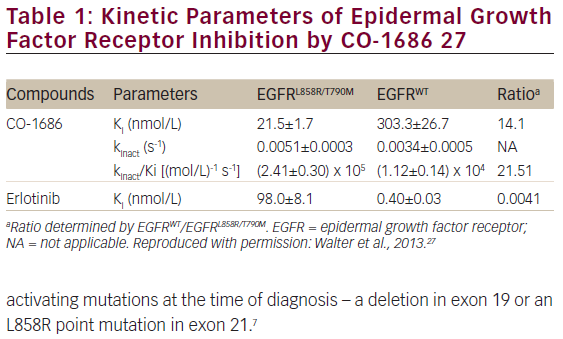
In 2015, the prevalence of patients living with lung cancer in the US is more than 430,000 and the incidence of new cases of lung cancer is around 221,200.1 Deaths from lung cancer are estimated to be 158,040.1 In Europe, in 2012, 410,000 patients were diagnosed with lung cancer and 354,000 died from the disease.2,3 […]
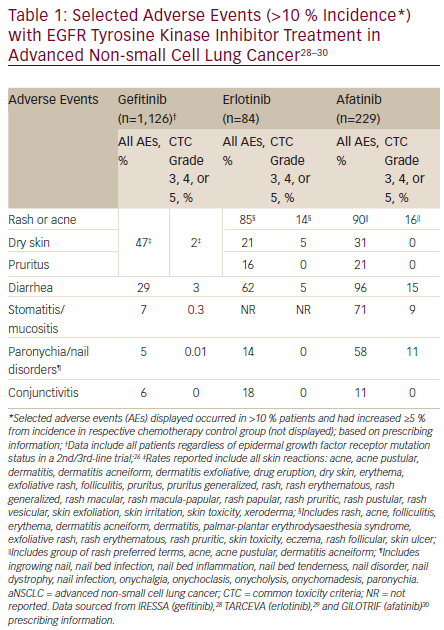
Lung cancer is the most common cancer in the US with an estimated 221,200 new cases in 2015. An estimated 158,040 patients will die of the disease this year.1 The overall 5-year survival rate for all stages of lung cancer is 17 %, and for advanced disease, 4 %.1 Lung cancer will account for approximately […]
Genitourinary Cancer
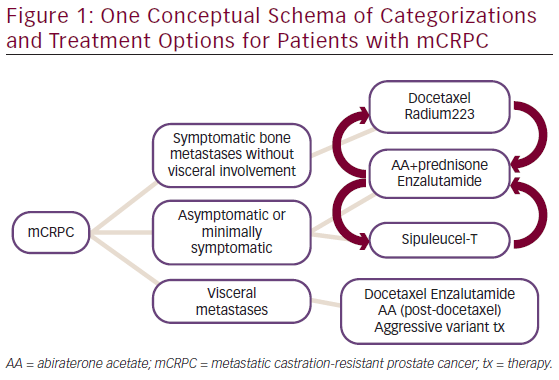
After the Food and Drug Administration (FDA) approved docetaxel for metastatic castration-resistant prostate cancer (mCRPC) in 2004, there were limited advances until 2010, when sipuleucel-T marked the first in a series of FDA approvals. Following the addition of immunotherapy (sipuleucel-T), advanced androgen receptor-targeted agents (abiraterone acetate [AA] plus prednisone in 2011 and enzalutamide in 2012), […]
Gastrointestinal Oncology
The 2015 annual American Society of Clinical Oncology meeting brought refinements rather than major practice changes to the field of noncolorectal gastrointestinal (GI) cancers, with one notable exception and that is for the emerging endorsement of the role of immune therapies in these diseases. Arguably the most important observation from the meeting overall was the […]
Colorectal cancer will be diagnosed in 132,700 individuals in the US this year alone with rectal cancer being that of 39,610 patients.1 In contrast to the treatment developments in metastatic colorectal cancer, the treatment of locally advanced rectal cancer has remained at a standstill for the past decade with little development of novel therapies. 5-Fluorouracil […]
Hepatocellular carcinoma (HCC) is a leading cause of cancer-related death, with a rising global incidence.1 The majority of HCC occurs in the setting of liver cirrhosis, mainly due to hepatitis C virus (HCV) infection, hepatitis B viral infection, alcohol consumption, or nonalcoholic fatty liver disease. The most important development in HCC is the advent of […]
Supportive Care
The field of oncology immunotherapeutics has exploded recently with the development of immune-checkpoint inhibitors. These drugs enhance antitumor immunity by blocking negative regulators of T-cell function that exist both on immune cells and on tumor cells. There are two classes of immune-checkpoint inhibitors: currently the Food and Drug Administration (FDA) has approved cytotoxic T-lymphocyte antigen […]
Genomics
Advancing technology has led to the successful utilization of nextgeneration sequencing (NGS) for assessing cancer susceptibility, diagnosis, prognosis, and treatment.1,2 Currently, matching therapies that target single-nucleotide variations, gene fusions, or copy number variations are approved for clinical use across various tumors. However, clinical application of genomic testing presents some potential challenges, including consent, tissue acquisition, […]
Cancer Signaling
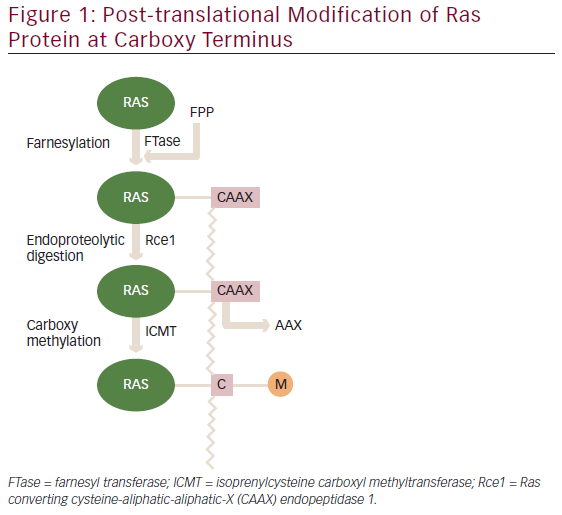
H-Ras, K-Ras, and N-Ras are the main members of Ras superfamily, which bind small molecules GTP and GDP interchangeably and can hydrolyze GTP to GDP. The Ras superfamily consists of more than 150 proteins and these can be classified under at least five sub-families viz: the Ras, Rab, Rho, Ran, and Arf families.1 Ras oncoproteins […]
Trending Topic
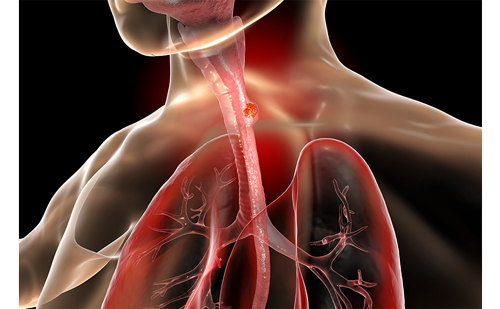
Cancers of the oesophagus and oesophagogastric junction (OGJ), termed upper gastrointestinal (UGI) cancers, are lethal and constitute a significant public health problem. In 2020, 604,000 cases and 544,000 UGI cancer-related deaths were estimated worldwide.1 UGI cancers are the seventh most frequently diagnosed cancer and the sixth most common cause of cancer-related death.1 In the USA, there were […]
Journal Archive



Log into your Touch Account
Keep track of your clinical interests and newsletter subscriptions.
Sign up with an Email
Or use a .
Register now for FREE access
Already registered? Login below.