

touchREVIEWS in Oncology & Haematology – VOLUME 17 ISSUE 1 – 2021
Foreword

Welcome to the inaugral issue of touchREVIEWS in Oncology & Haematology (formerly Oncology & Hematology Review [US]), which aims to summarize the latest clinical data and provide practical advice to help busy physicians in their daily practice. As co-editors-in-chief of this new title, we are excited to bring you a range of interesting and informative […]
Commentary

Somatic DNA mutational analysis has transformed how we characterize existing cancer and select treatments. For example, circulating tumour cell-free DNA (cfDNA) can be used to select targeted therapies, monitor treatment response and detect disease recurrence.1 However, early attempts with targeted sequencing of circulating tumour cfDNA to screen for multiple cancers were unsuccessful because of low sensitivity […]
Editorials

Advanced age and other comorbid conditions put patients with chronic lymphocytic leukaemia (CLL) at an increased risk of morbidity and mortality from SARS-CoV-2 infection, with early studies showing case fatality rates of over 30% in patients with CLL with symptomatic COVID-19.1,2 As the vaccination against COVID-19 is becoming available for use in the general population, its […]

The European Code of Cancer Practice The European Code of Cancer Practice is a patient-centred manifesto of the key features required to deliver good clinical cancer practice and improve patient outcomes in Europe.1,2 It builds upon the European Cancer Patient’s Bill of Rights, which was launched in the European Parliament on World Cancer Day 2014 and […]
Reviews

The metastatic setting has traditionally been the initial venue for the development of new drugs in breast cancer. This seems like a natural population in which to start because patients have often exhausted the armamentarium of approved agents and, therefore, clinical equipoise is easier to achieve. These trials, however, often involve sicker patients who can […]

Gastrointestinal stromal tumours (GISTs) are the most common mesenchymal tumours of the gastrointestinal (GI) tract, accounting for 0.1–3.0% of all GI malignancies, and 80% of all GI sarcomas.1–5 While GISTs can occur throughout the entire GI tract, with similar male/female incidence, 60% of cases usually present in the stomach, and about 30% in the small […]
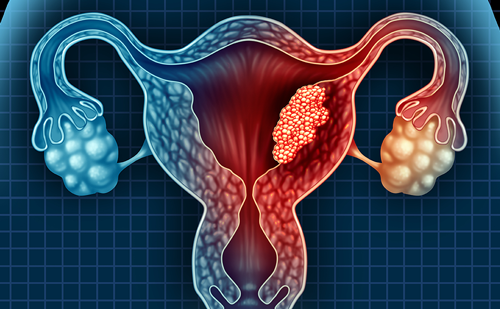
Endometrial cancer has become an increasingly significant cause of morbidity and mortality for women. Currently, endometrial cancer is the most common invasive gynaecologic malignancy, and the ninth most common cancer among women in the USA, accounting for approximately 65,620 new cancer cases and 12,590 deaths in 2020.1 The 5-year relative survival rate is estimated to be […]
Allogeneic haematopoietic cell transplantation (allo-HCT) has a bi-faceted role in the treatment of haematopoietic malignancies. First, allo-HCT gives high-dose chemotherapy a chance to reduce the leukaemic burden; second, it allows graft-originated natural killer and T cells to initiate an adoptive immunotherapy effect against leukaemic cells via tumour-specific antigens, tumour-associated antigens and minor histocompatibility antigens.1–6 Allo-HCT plays […]

The treatment of patients with non-small cell lung cancer (NSCLC) has seen significant advances in the past decade, with the availability of multiple targeted therapy agents for oncogenic-driven non-squamous NSCLC and the advent of immunotherapy that has completely revolutionized the treatment of patients without oncogenic drivers. Consequently, the lives of patients with NSCLC have significantly […]
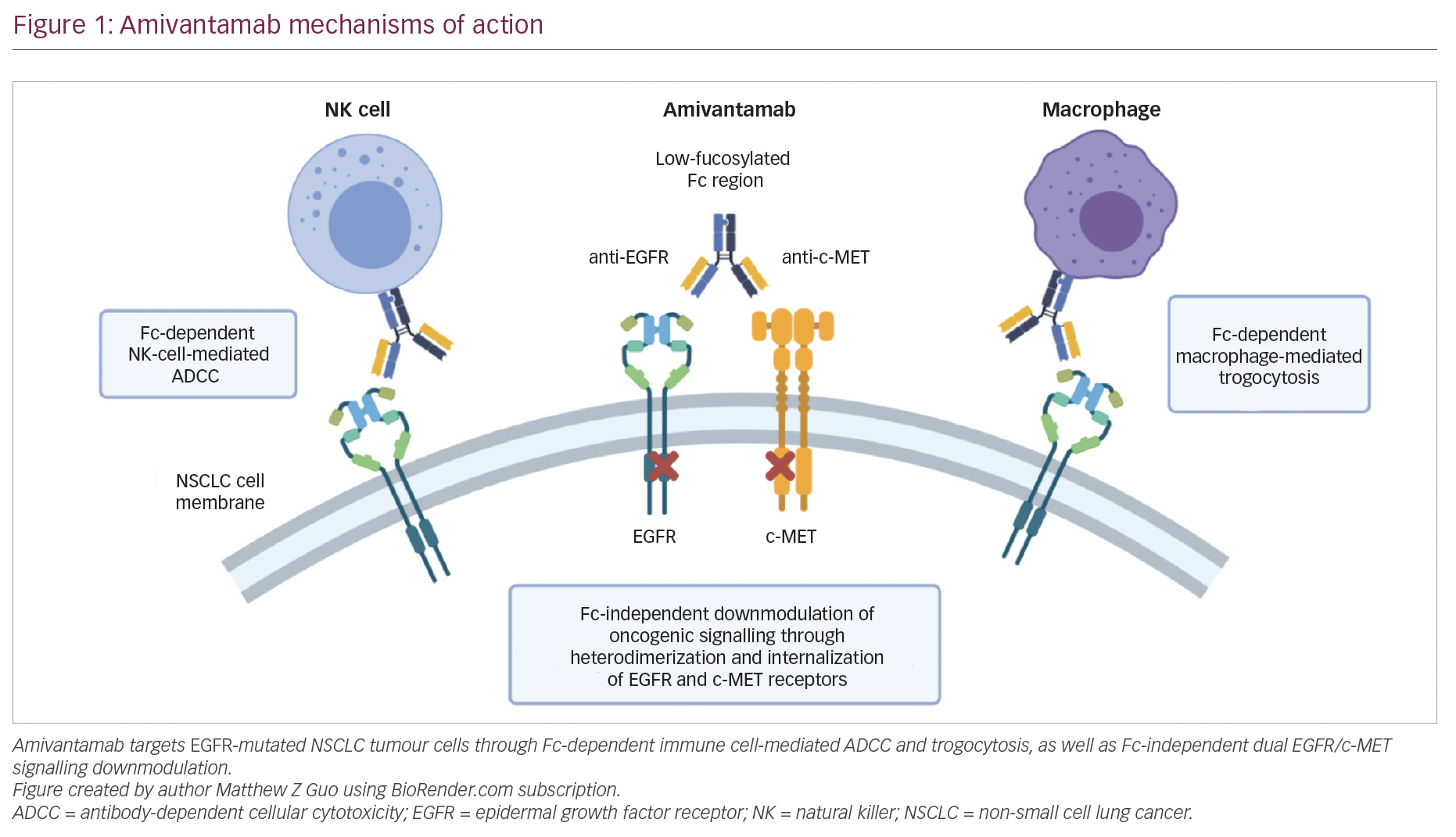
Cancer treatment has expanded rapidly in recent years as advancements in the fields of tumour biology and molecular diagnostics have informed the development of targeted therapies, improving survival in patients with oncogene-addicted cancers with therapeutically relevant molecular lesions. Osimertinib has become the standard-of-care treatment in the USA and elsewhere for classical epidermal growth factor receptor […]
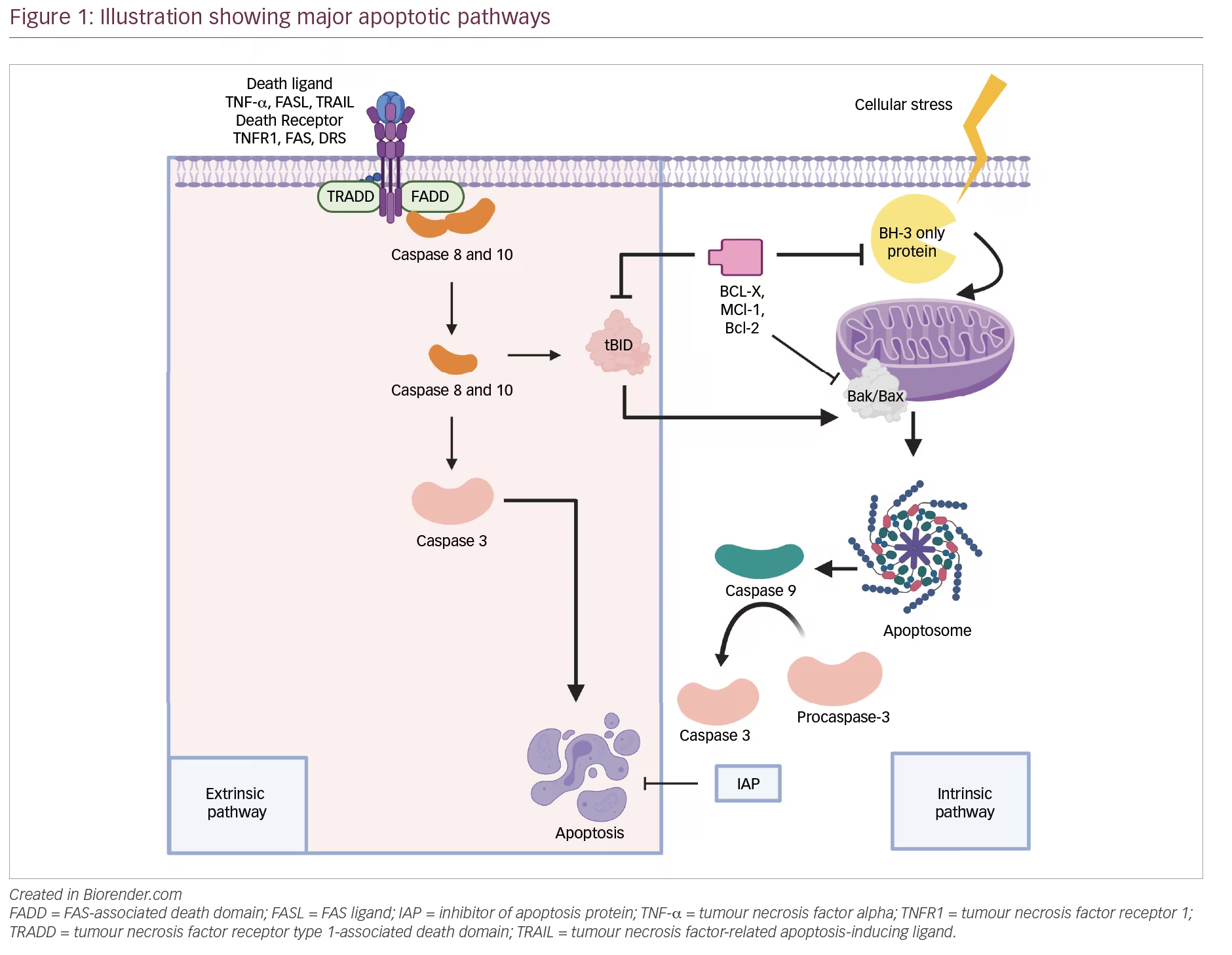
Multiple myeloma is a plasma cell malignancy that typically develops in individuals in their late 60s with an average survival time of ~8 years.1 Despite recent advances in treatment, multiple myeloma remains largely incurable due to development of drug resistance in tumour cells. Patients often relapse even after autologous stem cell transplant and multiple lines […]
Trending Topic
Multiple myeloma (MM) is the second most common haematological malignancy, with upwards of 35,000 diagnoses in the USA each year.1,2 It remains a leading cause of blood cancer–related mortality worldwide, and although therapeutic advances have allowed for significant improvements in the median overall survival,3,4 the majority of patients still experience cycles of relapse that are eventually fatal.5 While patients with MM are living longer, a subgroup with high-risk disease at diagnosis still does poorly, with a median […]
Journal Archive



Log into your Touch Account
Keep track of your clinical interests and newsletter subscriptions.
Sign up with an Email
Or use a .
Register now for FREE access
Already registered? Login below.