

ONCOLOGY & HEMATOLOGY (US) – VOLUME 16 ISSUE 1 – SPRING 2020
Welcome to the Spring 2020 issue of Oncology & Hematology Review (US), full of free-to-access, topical content for busy oncologists. Targeted therapy is a key theme in this edition. As well as breast cancer, this issue has a focus on gastrointestinal malignancies, a leading cause of cancer death in men and women and an area in which personalised medicine is fast developing. We trust you’ll find something to catch your own clinical interest.
Thank you to all our authors for your fantastic contributions. We are now welcoming submissions to our Fall 2020 and 2021 editions. If you’re interested in submitting an article please don’t hesitate to contact us directly.
Foreword

Welcome to the spring edition of Oncology and Hematology Review (US). During the difficult days of this COVID-19 pandemic, which has impacted cancer care worldwide, we hope our journal provides reason for optimism. We begin with one of our popular expert interviews, in which Paul G Richardson discusses the recently published O-12-M1 phase I/II study investigating […]
Expert Interviews

Multiple myeloma (MM) is the second most common hematological malignancy after non-Hodgkin’s lymphoma.1 Although recent decades have seen considerable advances and improvements in clinical outcomes for patients with MM,2 MM remains incurable, with a high disease burden.3 Clonal evolution and genomic instability within myeloma clones inevitably lead to disease progression and treatment resistance.4 An increasing number […]

Soft tissue sarcomas represent a group of over 80 rare malignant tumors that arise from tissues of mesenchymal origin throughout the body.1 Advanced soft tissue sarcoma is treated with single-agent or combination systemic chemotherapy, but is associated with a poor prognosis.2,3 Pazopanib (Votrient,® Novartis, Basel, Switzerland) is an oral multitarget tyrosine kinase inhibitor that has received regulatory as […]
Reviews

Breast cancer is one of the most common types of cancers and will affect one in eight women in their lifetime.1 With the majority of breast cancers being estrogen receptor (ER)-positive, a large proportion of women will receive adjuvant endocrine therapy to prevent recurrence. Endocrine therapy represents a highly effective therapeutic option, with 5-year survival […]
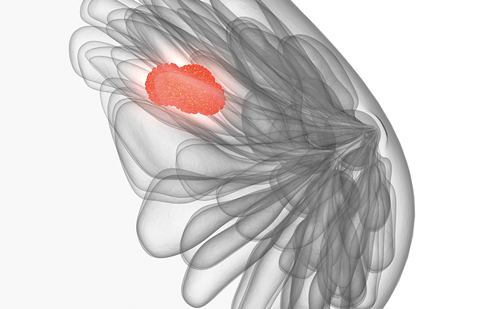
Since the approval of palbociclib in 2015,1 cyclin dependent kinase (CDK) 4/6 inhibitors have been a heavily-researched and discussed class of medication for the management of metastatic, hormone receptor positive (HR+), human epidermal growth factor receptor 2-unamplified (HER2-) breast cancer. Because their approval and rise to prominence was based on benefit seen in progression-free survival […]

Colorectal cancer (CRC) is a commonly diagnosed malignancy and the second-leading cause of cancer death in the USA, with 147,950 estimated new cases and 53,200 estimated deaths in 2020.1 Despite CRC screening, approximately 20% of patients are diagnosed with metastatic CRC (mCRC), which carries a 14.2% 5-year survival rate.2 Over the last two decades, mCRC […]

In 2020, an estimated 147,950 patients will be diagnosed with colorectal cancer (CRC) in the USA, with 53,200 deaths expected.1 While many patients with CRC are cured, metastatic CRC (mCRC) is still a prevalent disease, and systemic therapy options have markedly improved outcomes in patients with unresectable metastatic disease in the last several decades. Cytotoxic […]

Colorectal cancer is the third most common cancer worldwide and the fourth most common cause of death, with 1.8 million new cases and 881,000 deaths in 2018.1 Rectal cancers account for 28% of these cancers.2 Most colorectal cancers arise from adenomatous polyps and progress to adenocarcinoma through the three major genetic pathways of chromosomal instability, microsatellite instability, […]
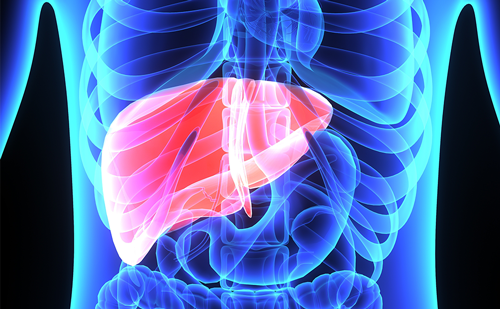
Cholangiocarcinoma constitutes approximately 3% of all gastrointestinal malignancies, and the incidence is on the rise, especially the intrahepatic subtype. These tumors are anatomically broadly classified into intrahepatic, perihilar, and distal cholangiocarcinoma. Recent understanding of tumorigenesis pathways has shown that there exists notable differences in molecular pathogenesis between the intrahepatic versus extrahepatic versus gallbladder cancers.1 For instance, […]
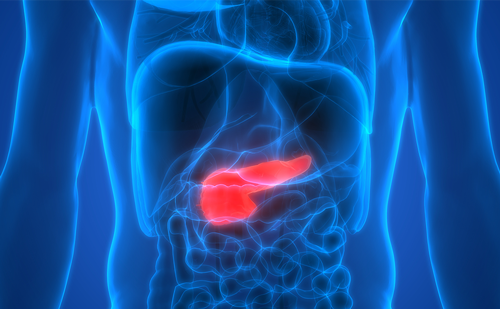
Pancreatic ductal adenocarcinoma (PDA) is predicted to beat colon cancer in terms of total cancer-related deaths in the USA by this year (2020).1 Given this projected burden of disease, efforts in understanding and developing new treatments for PDA are paramount. In this review, we will summarize the molecular characteristics and mutations thought to be involved with […]

Trending Topic
Pancreatic cancer (PC) is the tenth most common cancer in 2024, with 66,440 new cases and 51,570 deaths.1,2 Globally, the prevalence varies from 10/100,000 cases in the Americas and Europe to 0.9/100,000 cases in South Central Asia and most of Africa.3 Currently, it has the third-highest mortality:incidence ratio, with an increasing death rate of 0.23% annually, paralleling […]
Journal Archive



Log into your Touch Account
Keep track of your clinical interests and newsletter subscriptions.
Sign up with an Email
Or use a .
Register now for FREE access
Already registered? Login below.