
ONCOLOGY & HEMATOLOGY (US) – VOLUME 16 ISSUE 2 – FALL 2020
Welcome to the Fall 2020 issue of Oncology & Hematology Review (US), in which you will find a wealth of free-to-access, topical content. This edition features a range of pertinent review articles on topics including bladder cancer, gastrointestinal cancer, lung cancer, multiple myeloma and sarcoma; and we also include an interesting case study on genitourinary cancers.
We would like to take the opportunity to thank all our contributors to this edition, and our Editorial Board members for their ongoing support and guidance. We hope you enjoy reading this issue and, as always, if you’re interested in submitting an article please do contact us directly.
Foreword

Welcome to the latest edition of Oncology & Hematology Review, which contains a wide range of articles reflecting the scope of this field. We begin with an article on the subject of urothelial cancer, whose treatment landscape has been transformed in recent years by the availability of immune checkpoint inhibitors. Williams et al. review the role […]
Review
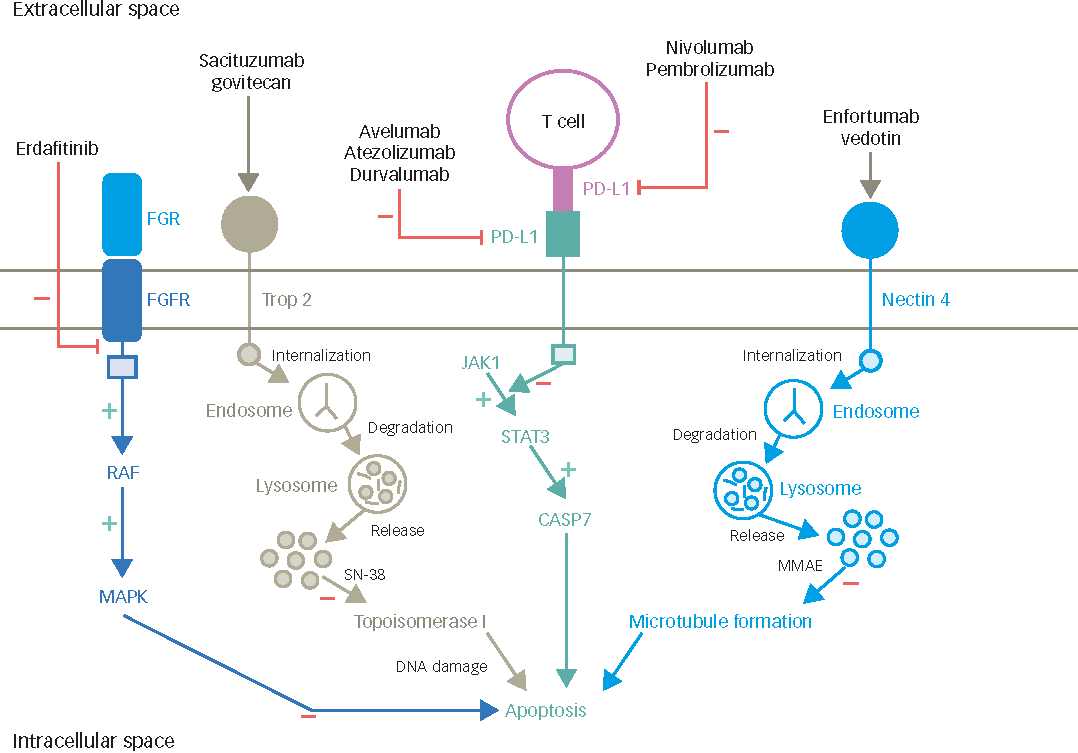
Urothelial carcinoma is the most common histologic type of bladder cancer in the USA and Europe, accounting for 90% of all bladder cancers. It is the sixth most common type of cancer diagnosed in the USA, and the 10th leading cause of cancer death, with an estimated 17,980 deaths predicted in 2020.1 Although the 5-year survival […]
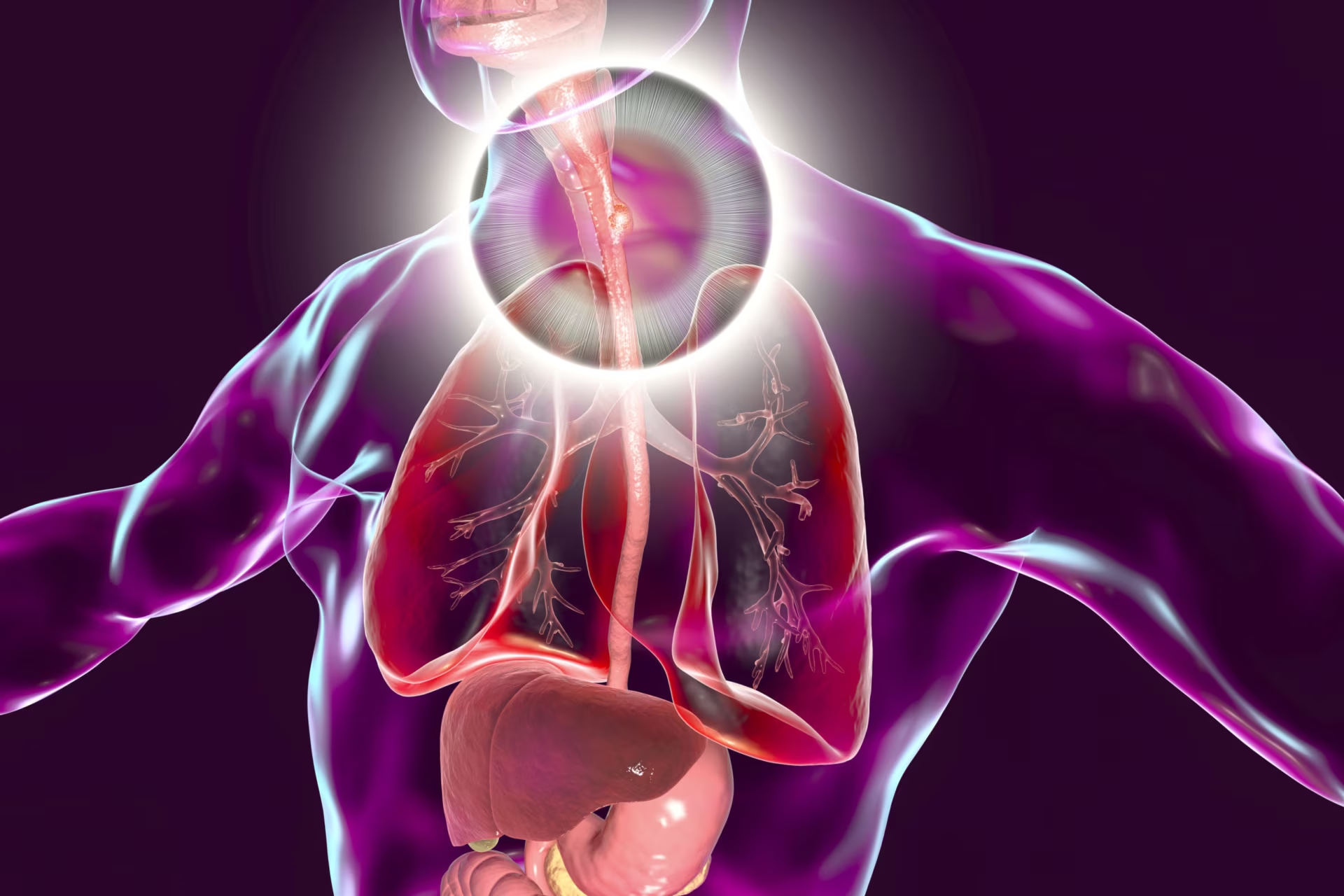
Esophageal cancer is the seventh most common malignancy and the sixth leading cause of death from cancer worldwide.1 The main histological subtypes are esophageal squamous cell carcinoma (ESCC) and esophageal adenocarcinoma. ESCC is the most common subtype, and the frequency of this disease is highest in Eastern Asia and Eastern Africa.2 In Western countries, however, the incidence […]
Radiation-induced esophagitis, caused by incidental damage to the mucosal lining of the esophagus during radiation therapy, is a common and clinically important toxicity in patients with lung cancer. Esophagitis generally develops 2–3 weeks after initiation of radiation therapy and presents as pain and dysphagia, which can negatively impact patient quality of life.1 Severe esophagitis requires parenteral […]
Advanced non-small cell lung carcinoma (NSCLC) treatment paradigms have evolved during the past decade. Identification of tumor-specific molecular alteration in cancer driver genes has led to the development of targeted therapies.1–3 Most of the tumors harboring such alterations are sensitive to tyrosine kinase inhibitor (TKI) drugs, making such oncogenic drivers promising targets for the development of […]
Multiple myeloma (MM) is a malignant clonal disorder of plasma cells in the bone marrow, and more than 32,000 new cases are expected in the USA each year.1 Many clinical advances, including novel drugs and continuous therapy with treatment sequencing, have improved survival statistics.2 Despite this, MM remains largely incurable and the relapsed/refractory population remains vulnerable […]
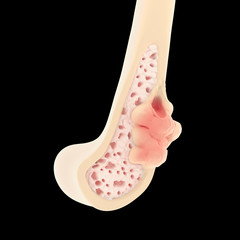
Tenosynovial giant cell tumor (TGCT)—previously referred to as giant cell tumor of the tendon sheath or pigmented villonodular synovitis (PVNS)—is a largely benign, rare, proliferative lesion arising from the synovial lining of joints, bursae, and tendon sheaths.1 This review serves to discuss the epidemiology, molecular biology, clinical behavior, and the current treatment modalities of TGCT that […]
Case Report
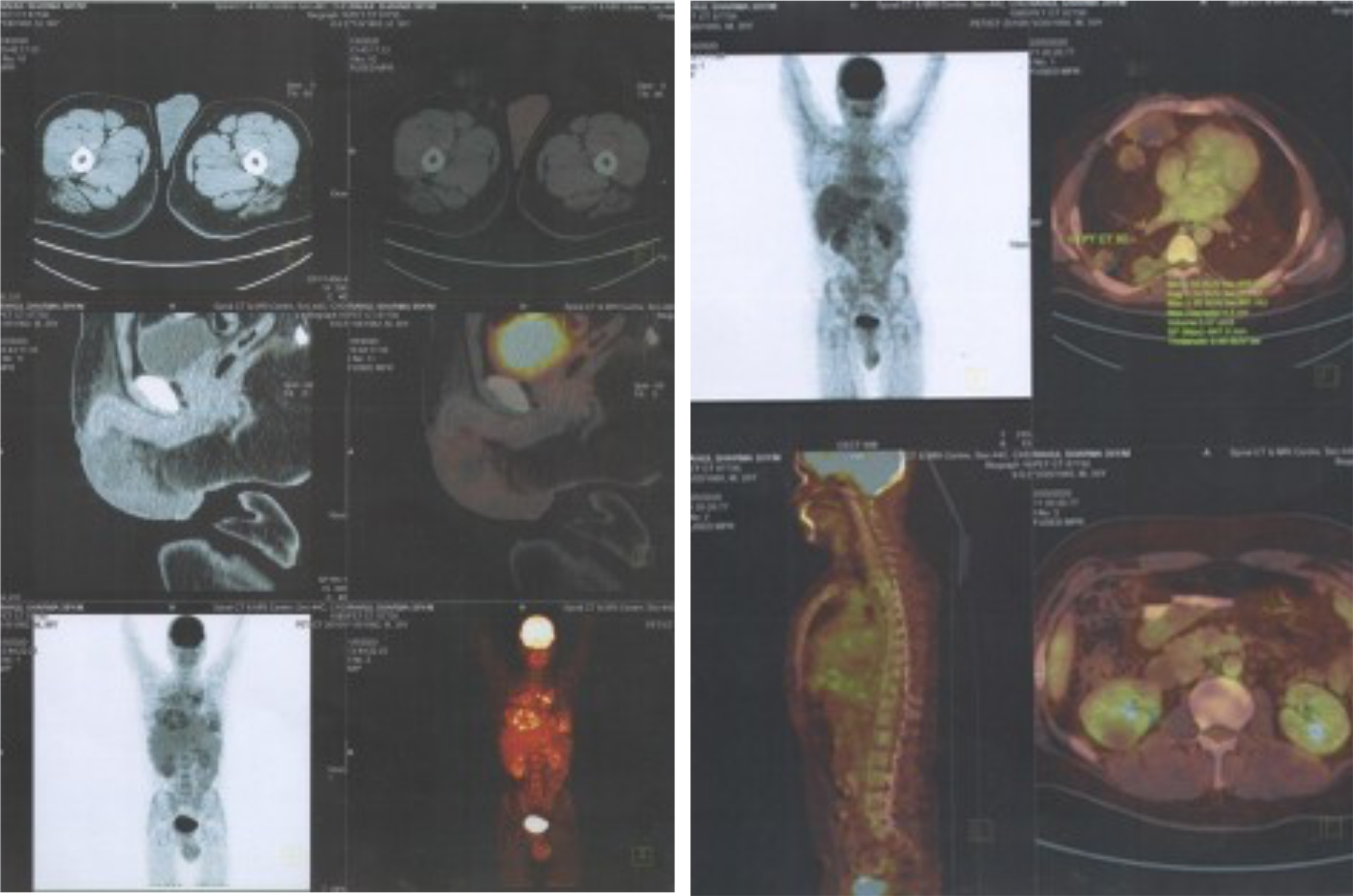
Choriocarcinoma of the testes is very rare, occurring either in pure form or as part of mixed germ cell tumor.1,2 Pure choriocarcinoma constitutes <1% of choriocarcinoma cases, whereas mixed tumors with choriocarcinoma make up 8% of testicular germ cell tumors.2 The overall incidence of choriocarcinoma is 0.8 cases per 100,000 male population in countries with highest frequency […]
Trending Topic
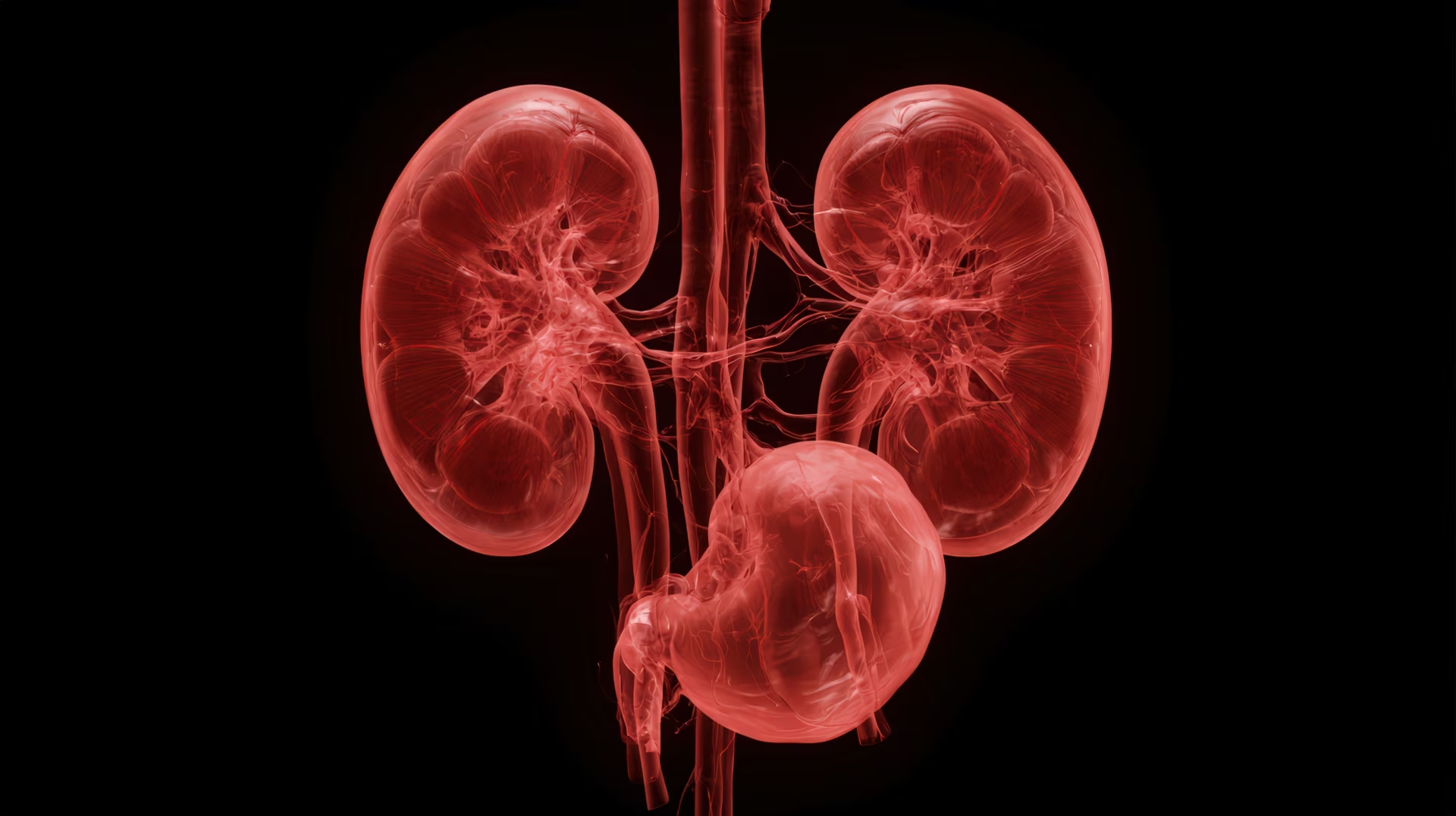
Urothelial carcinoma (UC) is the 11th most common cancer in the UK, with approximately 11,000 new bladder cancer diagnoses annually.1 Globally, bladder cancer accounts for approximately 635,000 new diagnoses and 228,000 deaths annually, based on the latest GLOBOCAN estimates for 2024.2 Bladder cancer constitutes the vast majority of urothelial malignancies (90–95%), with upper tract urothelial […]
Journal Archive



Log into your Touch Account
Keep track of your clinical interests and newsletter subscriptions.
Sign up with an Email
Or use a .
Register now for FREE access
Already registered? Login below.