Urothelial carcinoma (UC) is the 11th most common cancer in the UK, with approximately 11,000 new bladder cancer diagnoses annually.1 Globally, bladder cancer accounts for approximately 635,000 new diagnoses and 228,000 deaths annually, based on the latest GLOBOCAN estimates for 2024.2 Bladder cancer constitutes the vast majority of urothelial malignancies (90–95%), with upper tract urothelial carcinoma (UTUC), arising from the renal pelvis or ureter, accounting for the remainder. At presentation, approximately 20–30% of bladder cancers are muscle-invasive (≥T2 disease), conferring a substantially worse prognosis than non-muscle-invasive disease and an estimated 50% risk of distant metastatic relapse within 3 years of radical treatment despite curative-intent treatment.3 For patients unable or unwilling to undergo radical therapy, the prognosis is particularly dismal, with median overall survival (OS) historically of less than 1 year.3
Despite surgical refinements and the availability of effective perioperative systemic therapy, survival outcomes in muscle-invasive bladder cancer (MIBC) have remained largely static over the past three decades. Population-level data from NHS England between 2013 and 2019 demonstrate no significant improvement in 2-year OS across this period, a finding that starkly distinguishes bladder cancer from many other solid tumors, in which systemic treatment advances have translated into meaningful survival gains.4 This therapeutic stagnation reflects a complex interplay of disease biology, patient frailty and persistent failure to deliver evidence-based treatment to eligible patients. Between 27% and 29% of patients diagnosed with MIBC in the UK receive no radical treatment; and substantial underutilisation of definitive therapy has also been reported in the United States, where a large National Cancer Database analysis found that 41.1% of patients with MIBC did not receive curative treatment.4,5 The underuse of neoadjuvant chemotherapy (NAC) among eligible patients compounds this problem: a nationwide Dutch registry study found that only 34% of objectively eligible patients received NAC prior to radical cystectomy, despite unambiguous guideline recommendations and level 1 evidence of survival benefit.6
While the evidence base for perioperative systemic therapy has been developed predominantly in bladder cancer, UTUC represents a clinically and therapeutically distinct disease. Upper tract tumors are more frequently high grade at diagnosis, carry a greater propensity for lymphovascular invasion and have a higher frequency of Lynch syndrome-associated cases compared with bladder cancer.7 A defining practical distinction is that radical nephroureterectomy (RNU) removes the ipsilateral kidney, raising concerns about compromising postoperative renal function and rendering standard-of-care (SOC) adjuvant platinum-based chemotherapy less feasible. However, this can still be administered to patients with a glomerular filtration rate (GFR) >30 mL/min/1.73 m².8,9
Neoadjuvant treatment
Cisplatin-based NAC, followed by radical cystectomy or radiation therapy with a radiation sensitizer for patients who are unfit for or unwilling to undergo cystectomy, is the established SOC for eligible patients with MIBC and is supported by the earliest and most robust evidence in this disease. The rationale for preoperative systemic therapy is compelling: it enables early treatment of occult micrometastatic disease, offers the opportunity for pathological downstaging and is delivered at a point when renal function and performance status are most likely to permit cisplatin administration.
There are two landmark sources of evidence. The MRC/EORTC BA06 30894 international phase III trial randomized 976 patients with clinically staged T2–T4a, node-negative, non-metastatic (cT2–T4aN0M0) bladder cancer to three cycles of cisplatin, methotrexate and vinblastine (CMV) or no NAC prior to radical cystectomy or radiotherapy. Long-term results at a median follow-up of 8 years demonstrated a statistically significant 16% relative reduction in the risk of death in favor of NAC (hazard ratio [HR] 0.84; 95% confidence interval [CI] 0.72–0.99; p=0.037), translating to an absolute improvement in 10-year OS from 30% to 36%.10 The Advanced Bladder Cancer Meta-analysis Collaboration subsequently pooled data from multiple randomized trials, incorporating both the BA06 and SWOG 8710 (methotrexate, vinblastine, doxorubicinand cisplatin [MVAC]-based) studies, confirming a 5% absolute improvement in 5-year OS with cisplatin-based NAC (HR 0.87; 95% CI 0.79–0.96).11 These findings established the level 1 evidence that underpins contemporary guideline recommendations.
The OS benefit from these key studies is illustrated in Figure 1.10,11
Figure 1: Forest plot of overall survival for neoadjuvant cisplatin-based chemotherapy in muscle-invasive bladder cancer10,11
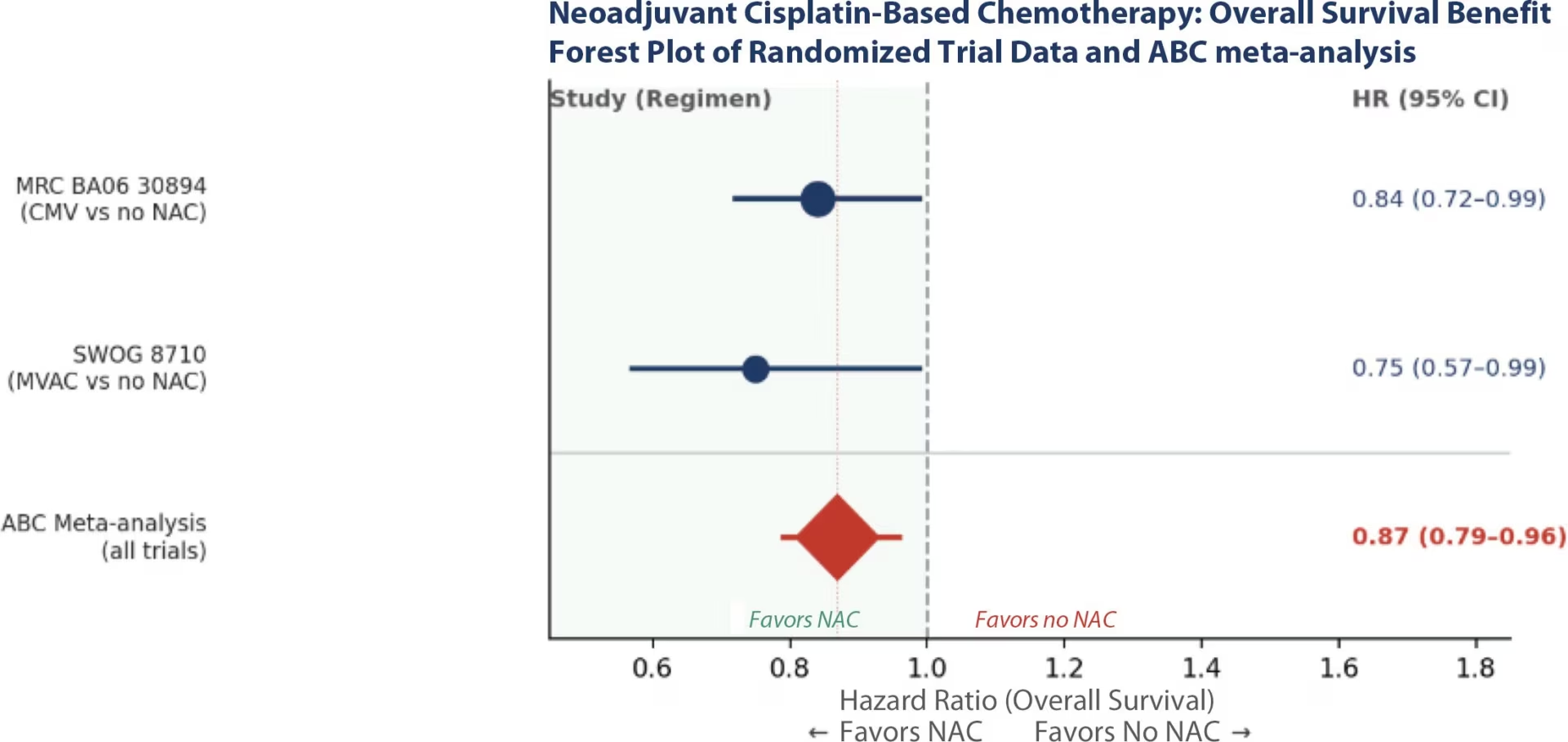
Forest plot illustrating the overall survival benefit of neoadjuvant cisplatin-based chemotherapy in muscle-invasive bladder cancer, based on data from the MRC BA06 30894 trial and the ABC Meta-analysis Collaboration
ABC = advanced bladder cancer; CI = confidence interval; CMV = cisplatin, methotrexate and vinblastine; HR = hazard ratio; MRC = Medical Research Council; MVAC = methotrexate, vinblastine, doxorubicin and cisplatin; NAC = neoadjuvant chemotherapy; SWOG = Southwest Oncology Group
In contemporary practice, gemcitabine and cisplatin (GemCis) have become the predominant NAC regimen, largely supplanting CMV and classic MVAC on the basis of a more favorable toxicity profile.12 Although no direct randomized comparison of GemCis with MVAC exists in the neoadjuvant setting, the pivotal von der Maase phase III trial established GemCis as non-inferior to MVAC in advanced and metastatic urothelial cancer, with equivalent OS and substantially lower rates of severe toxicity, mucositis and treatment-related mortality.12 GemCis is now extrapolated widely to the neoadjuvant context, achieving pathological complete response (pCR) rates of 25–40%. For patients with borderline renal function, specifically those with an estimated GFR of 45–50 mL/min/1.73 m², split-dose cisplatin (typically 35 mg/m² on days 1 and 8 of each cycle) offers an important strategy to extend access to platinum-based therapy without an unacceptable nephrotoxic risk, although careful monitoring of renal function throughout treatment is essential.13
The question of which cisplatin-based regimen is optimal in the neoadjuvant setting was directly addressed by the GETUG-AFU V05 VESPER trial, a French multicenter phase III study that randomized 500 patients with non-metastatic MIBC to six cycles of dose-dense MVAC (dd-MVAC) every 2 weeks or four cycles of GemCis every 3 weeks, administered either before or after surgery. Overall, 437 patients (88%) received NAC.14 The primary endpoint of 3-year progression free survival (PFS) demonstrated a significant benefit for dd-MVAC over GemCis in the NAC subgroup (66% versus 56%; HR 0.70; 95% CI 0.51–0.96; p=0.025). The pCR rate was also numerically higher with dd-MVAC (42% versus 36%), although this difference was not statistically significant (p=0.20).15 Subsequent 5-year follow-up confirmed improved survival in the NAC population with dd-MVAC versus GemCis (66% versus 57%), although no significant OS difference was observed in the overall perioperative intention-to-treat (ITT) population.15 These findings support the use of dd-MVAC in fit patients for whom treatment intensity is appropriate, although tolerability and treatment completion remain important considerations: only 60% of patients receiving dd-MVAC completed all six planned cycles compared with 84% completing four cycles of GemCis.15 GemCis remains the preferred regimen for patients at higher risk of toxicity or for whom treatment completion is the paramount concern.15
The key comparative outcomes from VESPER (Bladder Cancer: Comparison of Dose-Dense MVAC With Gemcitabine-Cisplatin as Perioperative Chemotherapy) are summarized in Figure 2.14,15
Figure 2: ddMVAC versus GemCis in muscle-invasive bladder cancer14,15
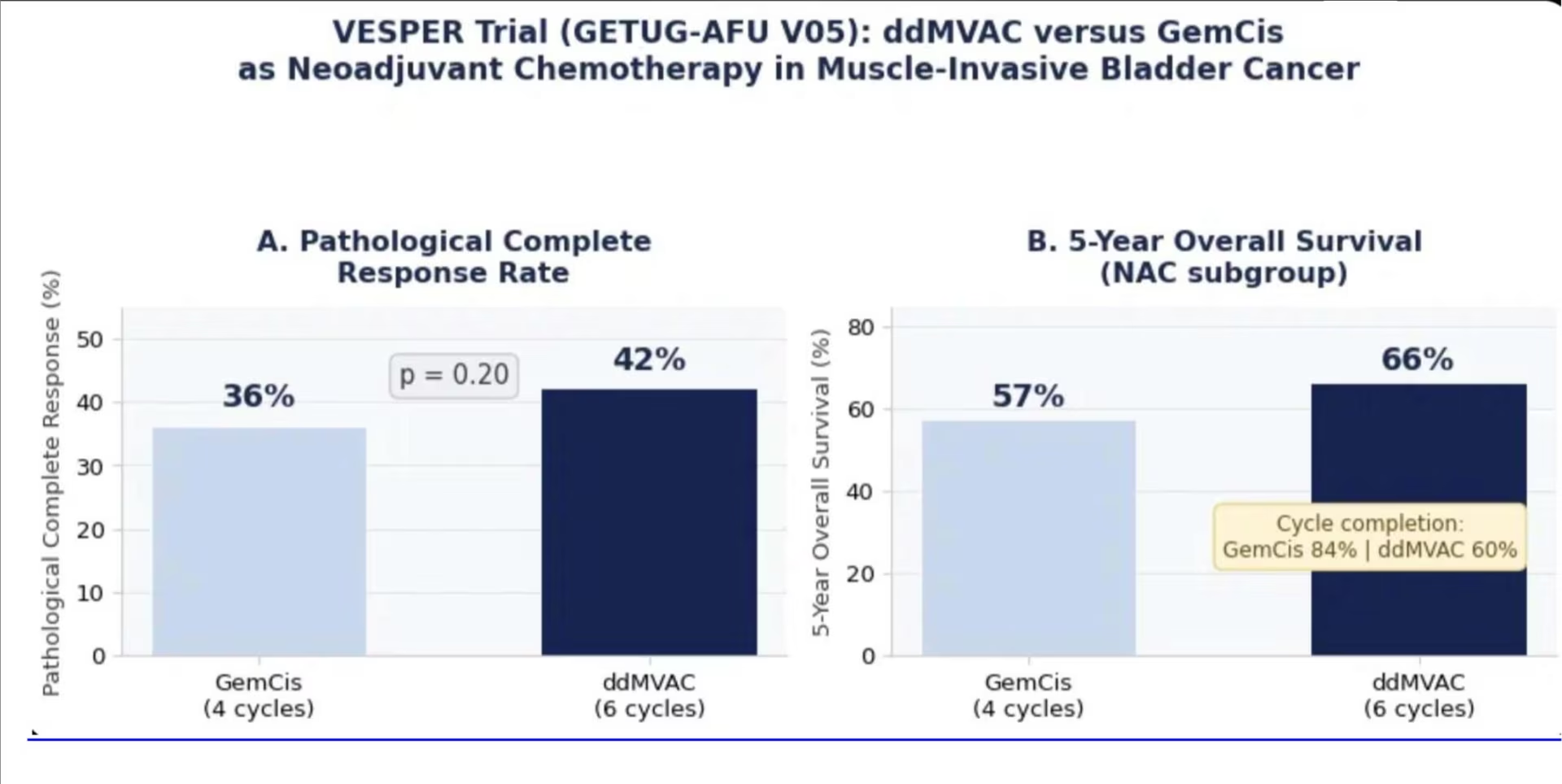
VESPER Trial (GETUG-AFU V05): comparison of pathological complete response rates (A) and 5-year overall survival in the neoadjuvant subgroup (B) between dd-MVAC and GemCis. Cycle completion rates are annotated in B
dd-MVAC = dose-dense methotrexate, vinblastine, doxorubicin (Adriamycin®) and cisplatin; GemCis = gemcitabine and cisplatin; NAC = neoadjuvant chemotherapy
Several important controversies surround the practical delivery of NAC. Cisplatin eligibility has historically been defined by the Galsky criteria, which classify patients as cisplatin-ineligible in the presence of any one of the following: Eastern Cooperative Oncology Group (ECOG) performance status ≥2; creatinine clearance <60 mL/min; grade ≥2 peripheral neuropathy; grade ≥2 hearing loss; or New York Heart Association class III–IV heart failure.13 However, these criteria were never intended for use outside of clinical trials, and, pragmatically, cisplatin-based treatment can be used down to GFR of 45 mL/min/1.73 m². Up to 50% of patients with MIBC meet at least one of these criteria, most commonly renal impairment, and their binary nature has attracted increasing criticism for potentially over-excluding patients from curative platinum-based therapy. Further controversy concerns the total number of cycles delivered. Current practice in many centers defaults to three cycles of NAC, a legacy of the BA06 CMV trial design, despite the VESPER regimens using four and six cycles, respectively. Emerging retrospective data suggest that patients completing fewer than three cycles have significantly inferior pCR rates and survival outcomes, implying that three cycles may represent an absolute minimum rather than an optimal target.16 Where fitness and renal function allow, four cycles of GemCis or six cycles of dd-MVAC should be the treatment goal.
For the large proportion of patients who are genuinely cisplatin-ineligible, single-agent immune checkpoint inhibitor (ICI) has been explored as a neoadjuvant alternative. The ABACUS trial (Preoperative MPDL3280A in Transitional Cell Carcinoma of the Bladder [ABACUS]; ClinicalTrials.gov identifier: NCT02662309) was a multicenter, single-arm phase II study evaluating two cycles of neoadjuvant atezolizumab (1,200 mg every 3 weeks) prior to radical cystectomy in patients with cT2–T4aN0M0 MIBC who were either cisplatin-ineligible or declined cisplatin.17 Final results from 95 treated patients reported a pCR rate of 31% (95% CI 21–41%), with a 2-year disease-free survival (DFS) of 68% and a 2-year OS of 77%; pCR was associated with a 2-year DFS of 85%. Neoadjuvant atezolizumab was well tolerated and did not adversely impact surgical complication rates, and exploratory analyses suggested that circulating tumor DNA (ctDNA) clearance may be a more informative predictor of durable benefit than programmed death-ligand 1 (PD-L1) expression or tumor mutational burden.17 While these results are encouraging in a population with few established alternatives, neoadjuvant ICI monotherapy is not currently approved as SOC, and ABACUS remains hypothesis-generating, providing the biological rationale for on-going randomized trials.7,17
Adjuvant treatment
Despite the clear preference for neoadjuvant over adjuvant systemic therapy in bladder cancer, a substantial proportion of patients proceed to radical cystectomy or radical radiation given with a radiation sensitizer, without receiving NAC, reflecting cisplatin ineligibility, emergent surgical indication, failure to access preoperative oncology review, surgical bias or patient preference. For those with high-risk pathological features at cystectomy, specifically pathological stage T3/T4 (pT3/T4) disease or nodal involvement, adjuvant systemic therapy represents an additional opportunity to potentially reduce the risk of distant relapse.
The evidence base for adjuvant cisplatin-based chemotherapy is substantially weaker than that for the neoadjuvant setting. The EORTC 30994 phase III trial was the largest randomized study of adjuvant chemotherapy after radical cystectomy. The trial enrolled patients with pT3–T4a or node-positive M0 UC, randomizing them to immediate adjuvant chemotherapy (four cycles of GemCis, high-dose MVAC or MVAC) versus deferred chemotherapy at relapse.18 The trial was significantly underpowered, recruiting only 284 of the planned 660 patients before premature closure because of poor accrual. Accrual rates were directly affected by the publication of neoadjuvant data during the lifespan of this trial and were also hampered by a protocol excluding men with coincidentally found low–risk prostate cancer. Consequently, the study lacked sufficient statistical power to detect the modest OS benefit anticipated from adjuvant chemotherapy. Nevertheless, immediate adjuvant treatment conferred a significant PFS benefit (HR 0.54; 95% CI 0.40–0.73; p<0.0001), but no statistically significant OS advantage was demonstrated.18 Although EORTC 30994 did not demonstrate a statistically significant OS benefit, subsequent pooled analyses of randomized trials have suggested an OS advantage with adjuvant cisplatin-based chemotherapy, supporting its use in selected patients at higher risk.19 Consequently, European Association of Urology and European Society for Medical Oncology guidelines recommend consideration of adjuvant cisplatin-based chemotherapy for patients who did not receive NAC and have pT3/T4 and/or pathologically node-positive (pN+) disease, while acknowledging that the supporting evidence remains less robust than for the neoadjuvant approach.7
The adjuvant treatment landscape has been transformed by the emergence of ICI, with two phase III trials reporting significant DFS benefits. The randomized, double-blind CheckMate 274 trial enrolled patients with high-risk muscle-invasive UC following radical surgery with negative surgical margins and randomized them 1:1 to receive adjuvant nivolumab 240 mg every 2 weeks for up to 1 year or matching placebo. High-risk disease was defined as pT3–pT4a and/or pN+ in patients who had not received neoadjuvant cisplatin-based chemotherapy or post-neoadjuvant pathological stage T2–T4a (ypT2–ypT4a) and/or node positive disease (ypN+) in patients who had received neoadjuvant cisplatin-based chemotherapy.20 The trial met its dual primary endpoints of DFS in both the ITT population and the PD-L1 ≥1% tumor-cell expression subgroup. At 5-year follow-up, the DFS benefit remained durable in the overall ITT population, with a median DFS of 21.9 months with nivolumab versus 11.0 months with placebo (HR 0.74; 95% CI 0.61–0.90).21 Separately, in the prespicified subgroup of patients with tumor PD-L1 expression ≥1%, median DFS was 55.5 months with nivolumab versus 8.4 months with placebo (HR 0.58; 95% CI 0.42–0.79).22 OS also favored nivolumab in the ITT population, with a median OS of 75.0 months versus 50.1 months (HR 0.83; 95% CI 0.67–1.02), although the prespecified threshold for statistical significance had not been reached.22
Importantly, although PD-L1 expression was associated with a greater magnitude of benefit in some analyses of CheckMate 274, PD-L1 expression has not demonstrated consistent predictive value for selecting patients for ICI across UC. Benefit from adjuvant nivolumab was observed in the overall ITT population, indicating that PD-L1 status should not be regarded as a universally validated predictive biomarker for treatment selection. Regulatory requirements nevertheless differ by jurisdiction, with some indications incorporating PD-L1 expression into patient selection.21
The DFS curves from CheckMate 274 are illustrated in Figure 3.21
Figure 3: Schematic Kaplan–Meier curves of disease-free survival with adjuvant nivolumab versus placebo21
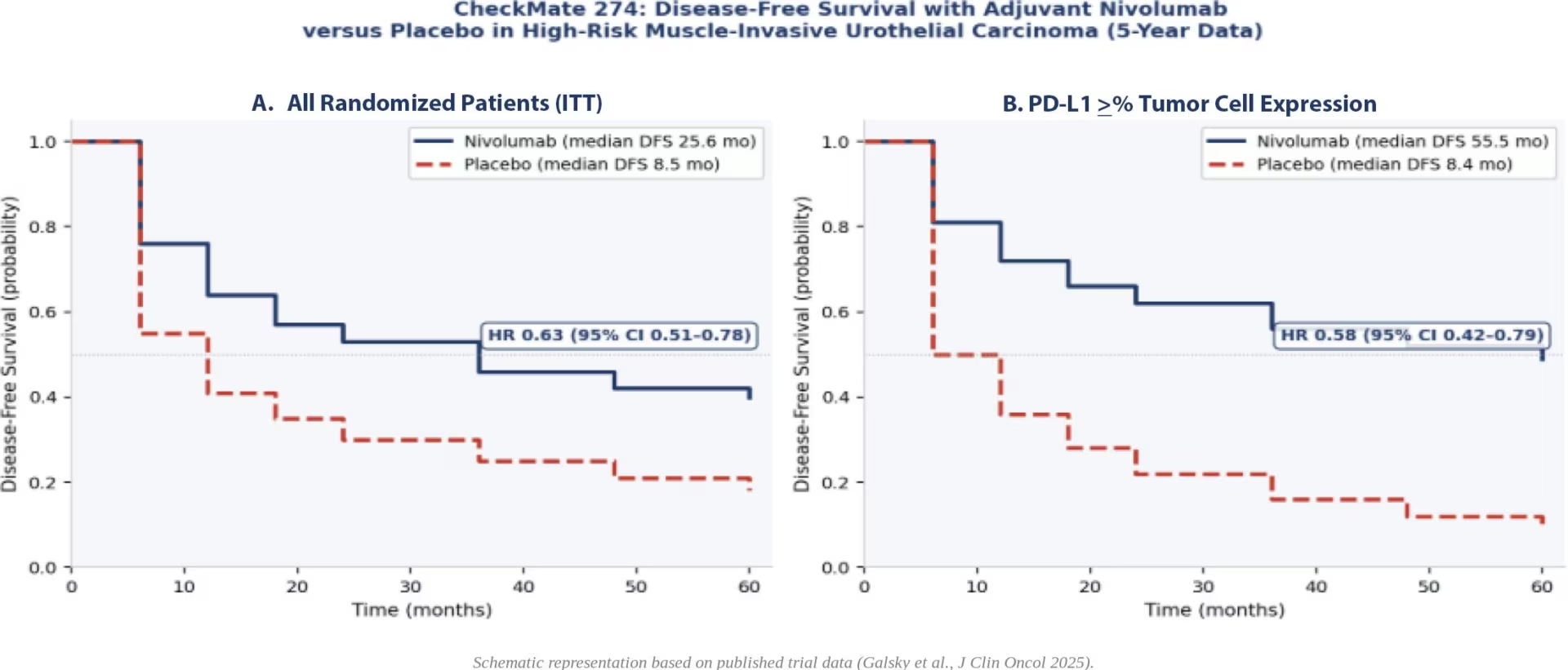
Schematic Kaplan–Meier curves illustrating disease-free survival with adjuvant nivolumab versus placebo in CheckMate 274. A: all randomized patients (ITT); B: patients with PD-L1 ≥1% tumor cell expression. Original construction based on published data by Galsky et al. (J Clin Oncol. 2025).21 Figure was created using Claude.ai (Anthropic, San Francisco, CA, USA)
CI = confidence interval; DFS = disease-free survival; HR = hazard ratio; ITT = intention-to-treat; mo = months.
The DFS findings for adjuvant immunotherapy in CheckMate 274 have been independently validated by the Alliance A031501 AMBASSADOR phase III trial, which evaluated adjuvant pembrolizumab 200 mg every 3 weeks for 1 year versus observation in 702 patients with high-risk muscle-invasive UC (bladder 75%, upper tract 22%, urethral 2.6%) after radical surgery.23 At the final DFS analysis, adjuvant pembrolizumab significantly improved DFS compared with observation, with a median DFS of 29.6 months (95% CI 20.0–40.7) versus 14.2 months (95% CI 11.0–20.2), respectively (HR 0.73; 95% CI 0.59–0.90; p=0.003). As in CheckMate 274, interim OS data did not reach statistical significance, likely confounded by high rates of subsequent checkpoint inhibitor use in the observation arm. Taken together, the concordant DFS benefit across both trials supports a class effect of adjuvant programmed cell death protein-1 blockade in high-risk resected UC.23
Not all adjuvant ICI data have been positive. The phase III IMvigor010 trial did not demonstrate a statistically significant DFS benefit for adjuvant atezolizumab compared with observation. In the ITT population, median DFS was 19.4 months with atezolizumab versus 16.6 months with observation (HR 0.89; 95% CI 0.74–1.08; p=0.24).24 Although the point estimate numerically favored atezolizumab, the trial did not meet its primary endpoint.
However, retrospective analyses from IMvigor010 identified a compelling signal: patients who tested ctDNA-positive after cystectomy derived meaningful benefit from adjuvant atezolizumab, whereas those who tested ctDNA-negative did not, providing the biological rationale for a prospectively designed ctDNA-guided trial. The subsequent phase III IMvigor011 study enrolled 760 patients with high-risk MIBC who underwent serial ctDNA monitoring for up to 12 months following radical cystectomy; those who tested ctDNA-positive were randomized 2:1 to adjuvant atezolizumab or placebo.25 Adjuvant atezolizumab in the ctDNA-positive population conferred statistically significant improvements in both DFS and OS, with a 36% reduction in the risk of disease recurrence compared with placebo (HR for first event of disease recurrence or death 0.64; 95% CI 0.47–0.87; p=0.005). Crucially, patients who remained persistently ctDNA-negative had excellent outcomes without any adjuvant systemic therapy, with a 2-year DFS rate of 88%, establishing that serial molecular residual disease monitoring can meaningfully spare patients at lower risk from unnecessary treatment toxicity.25 IMvigor011 represents the first level 1 evidence for a ctDNA-guided therapeutic intervention in bladder cancer, and its implications for the field are dissected further in the discussion section.
Importantly, these data do not establish a role for adjuvant immunotherapy in UTUC. CheckMate 274 and IMvigor010 included only small UTUC subgroups in which a clear benefit was not demonstrated, whereas IMvigor011 excluded patients with UTUC by design. Therefore, adjuvant platinum-based chemotherapy remains the strongest prospective evidence-based systemic treatment following nephroureterectomy for high-risk UTUC.
Integrated perioperative immunotherapy-based approaches
Recent phase III trials have demonstrated that systemic treatment intensification before and after radical cystectomy can improve pathological response rates and long-term survival outcomes. The NIAGRA trial was a global, open-label, phase III clinical trial in cisplatin-eligible patients with resectable MIBC. It tested whether the addition of durvalumab to four cycles of standard neoadjuvant GemCis, followed by eight cycles of adjuvant durvalumab after radical cystectomy, improved outcomes compared with NAC alone.26 The co-primary endpoints were event-free survival (EFS) and pCR, with OS as a secondary endpoint. EFS is a time-to-event endpoint that can capture clinically relevant events occurring before surgery, as well as subsequent recurrence or death.
At 24 months, EFS was reported as 67.8% (95% CI 63.6–71.7) in the durvalumab group and 59.8% (95% CI 55.4–64.0) in the GemCis-alone group. The HR for progression, recurrence, failure to proceed to surgery or death from any cause was reported at 0.68 (95% CI 0.56–0.82; p<0.001). The estimated OS at 24 months also favored the durvalumab group: 82.2% (95% CI 78.7–85.2) versus 75.2% (95% CI 71.3–78.8) in the control group, with an HR for death of 0.75 (95% CI 0.59–0.93; p=0.01 by stratified log-rank test).26
In the initial analysis, pCR was numerically higher in the durvalumab group: 33.8% (95% CI 29.8–38.0) versus 25.8% (95% CI 22.2–29.8) in the control group. However, this did not meet the prespecified threshold for significance at the time of initial publication.26,27
The safety profile of the combination treatment was consistent with the individual profiles of durvalumab and the platinum doublet. During the neoadjuvant phase, the rate of adverse events that necessitated discontinuation of treatment was similar in both the experimental and control arms. It is important to note that the inclusion of durvalumab did not compromise the rate of cystectomy completion, which is crucial in the perioperative setting.28
NIAGRA is one of the first phase III perioperative immunotherapy trials in MIBC to demonstrate an OS benefit rather than improvement only in pCR or disease-free/event-free outcomes. The positive findings of the NIAGRA trial must be tempered by the fact that OS benefit was estimated with data maturity of only 24 months. Since March 2026, National Institute for Health and Care Excellence has recommended durvalumab with GemCis as neoadjuvant treatment with subsequent durvalumab maintenance for MIBC.29
Criticisms remain around patient selection in this study. The trial could not identify a robust predictive biomarker allowing more precise patient selection and avoiding potential overtreatment. Second, almost all patients in the trial arm received pre- and post-cystectomy ICI treatment; therefore, it is impossible to determine whether the majority of the benefit was derived from the neoadjuvant or adjuvant stage of treatment. There was also less benefit seen in patients with T2 tumors, and patients undergoing radical radiation/chemoradiation were excluded from the trial.
Since 2024, enfortumab vedotin (EV) with pembrolizumab has been established as a first-line SOC for metastatic UC. This novel combination of an antibody–drug conjugate (ADC) targeting Nectin-4 (EV) and an ICI targeting PD-1 (pembrolizumab) was the first meaningful advancement over platinum-based chemotherapy in years, leading to widespread interest in broadening its application.30
The EV-303/KEYNOTE-905 phase III trial evaluated perioperative EV + pembrolizumab in patients with MIBC who were ineligible for or declined cisplatin-based NAC. Platinum eligibility was assessed as per modified Galsky criteria (excluding peripheral neuropathy). Participants were randomized to receive perioperative EV + pembrolizumab or radical cystectomy with Plevic Lymph Node Dissection (PLND) alone.31 Patients in the trial arm received three cycles of neoadjuvant intravenous EV on days 1 and 8, plus pembrolizumab on day 1 of every 3-week cycle, followed by surgery and then six cycles of adjuvant EV plus 14 cycles of adjuvant pembrolizumab.
Similarly to the NIAGRA trial, the primary endpoint was EFS, with a significant improvement noted in the experimental arm, with median EFS not reached compared with 15.7 months (HR 0.40; 95% CI 0.28–0.57; one-sided p<0.0001). The secondary endpoint of OS also favored EV + pembrolizumab over cystectomy alone: median not reached versus 41.7 months (HR 0.50; 95% CI 0.33–0.74; one-sided p=0.0002). These benefits were noted across all major subgroups.31,32
The safety profile of EV + pembrolizumab was similar to the previously published data.30,31 In addition, patients in the experimental arm had no significant delays to surgery, and cystectomy was carried out at similar rates in both arms (146/167 patients in the experimental arm underwent surgery versus 159/159 patients in the control arm).31
An important critique of the EV-303/KEYNOTE-905 trial relates to the choice of comparator arm. Patients randomized to the control group underwent radical cystectomy alone, without receiving any active perioperative systemic therapy. The trial’s definition of cisplatin ineligibility may be questioned, as a GFR threshold of less than 60 mL/min/1.73 m² was used despite many centers routinely offering cisplatin-based chemotherapy to selected patients with a GFR of 45–60 mL/min/1.73 m². As a result, a proportion of patients in the SOC arm may have been denied treatment that would currently be considered appropriate, potentially inflating the apparent treatment effect. Furthermore, adjuvant nivolumab was introduced during the course of the study and was not available when the trial was designed. Consequently, cystectomy alone represented a pragmatic control arm at the time of study initiation, although it is no longer fully representative of contemporary perioperative management.
These concerns have been addressed in the successor EV-304/ KEYNOTE-B15 trial, the initial results of which have been presented at the American Society of Clinical Oncology (ASCO) symposium in February 2026. In this randomized, open-label, phase III trial, patients were randomized 1:1 to receive either four cycles of neoadjuvant EV + pembrolizumab, followed by radical cystectomy + PLND and five cycles of adjuvant EV + 13 cycles of adjuvant pembrolizumab or four cycles of neoadjuvant GemCis followed by surgery.33 The primary endpoint, EFS, was significantly improved with EV + pembrolizumab, with 24-month EFS rates of 79.4% versus 66.2% (HR 0.53; 95% CI 0.41–0.70; one-sided p<0.0001). Secondary endpoints also favored the experimental arm, including OS (median not reached (NR) versus NR; 24-month estimated OS rate 86.9% versus 81.3%(HR 0.65; 95% CI 0.48–0.89; one-sided p=0.0029) and pCR, with an estimated difference of 23.4% (55.8% versus 32.5%; 95% CI 16.7–29.8; one-sided p<0.0001).34 Safety was broadly consistent with the known EV + pembrolizumab toxicity, although grade ≥3 treatment-emergent adverse events were common: 75.7% with EV + pembrolizumab versus 67.2% with GemCis. Important toxicities included severe skin reactions, with grade ≥3 EV-associated reactions reported at 14.1% and pembrolizumab-associated severe immune-mediated skin reactions at 13.9%.34
Together, these studies test the same perioperative EV + pembrolizumab strategy across two major clinical groups: cisplatin-ineligible or cisplatin-declining patients in EV-303 and cisplatin-eligible patients in EV-304. Interpreting these findings, we have to be mindful that the median follow-up time in EV-303 was 25.6 months and that EV-304, at the time of writing this article, had only a major abstract and company/regulatory update data, with a fully peer–reviewed manuscript awaited. Figure 4 provides an overview of the neoadjuvant, perioperative and adjuvant studies.10,11,14,15,17,18,20–26,31–34
There are two major questions that will have to be answered by researchers in the near future. First, how will the relationship between EV + pembrolizumab and durvalumab be shaped in the perioperative setting? Second, how will a shift toward radical treatment affect EV + pembrolizumab use in the metastatic setting? In addition, not all patients are suitable for all drugs currently available, and toxicity management becomes even more important in an earlier disease setting.
Figure 4: Key perioperative systemic therapy trials in muscle-invasive urothelial carcinoma, by treatment setting10,11,14,15,17,18,20–26,31–34
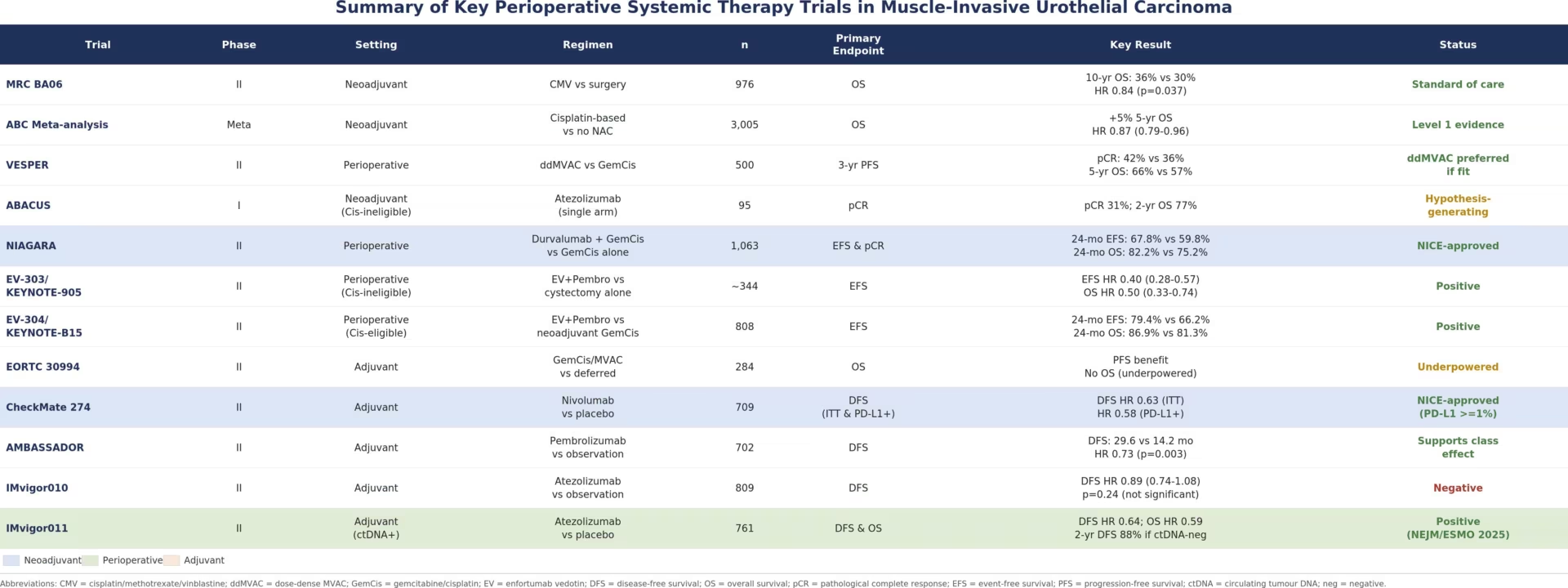
Color coding denotes neoadjuvant (blue), perioperative (green) and adjuvant (orange) studies. Data are derived from the MRC BA06 trial, ABC Meta-analysis, VESPER, ABACUS, NIAGARA, EV-303/KEYNOTE-905, EV-304/KEYNOTE-B15, EORTC 30994, CheckMate 274, AMBASSADOR, IMvigor010 and IMvigor011.10,11,14,15,17,18,20–26,31–34 Figure was created using Claude.ai (Anthropic, San Francisco, CA, USA)
cis = cisplatin; CMV = cisplatin, methotrexate and vinblastine; ctDNA = circulating tumor DNA; dd-MVAC = dose-dense methotrexate, vinblastine, doxorubicin (Adriamycin®) and cisplatin; DFS = disease-free survival; EFS = event-free survival; EV = enfortumab vedotin; GemCis = gemcitabine and cisplatin; HR = hazard ratio; ITT = intention-to-treat; mo = months; MVAC = methotrexate, vinblastine, doxorubicin (Adriamycin) and cisplatin; NAC = neoadjuvant chemotherapy; ESMO = European Society for Medical Oncology; OS = overall survival; NICE = National Institute for Health and Care Excellence; pCR = pathological complete response; PD-L1 = programmed death-ligand 1; PFS = progression free survival; pembro = pembrolizumab; yr = year
Upper tract urothelial cancer
UTUC represents a biologically and clinically distinct subtype of urothelial cancer arising from the renal pelvis or ureter and accounts for approximately 5–10% of all UCs. Compared with bladder UC, UTUC is characterized by unique molecular features, including higher rates of fibroblast growth factor receptor 3 alterations, enrichment of luminal-papillary phenotypes and a relatively immune-depleted tumor microenvironment, all of which may influence responsiveness to systemic therapies.35,36 Historically, management strategies for UTUC have largely been extrapolated from bladder cancer studies due to the rarity of the disease and the limited availability of dedicated prospective trials.
The data supporting the use of NAC in UTUC are scarce and based only on phase II trial results. In the ECOG-ACRIN 8141 trial, 36 patients with high–grade UTUC were randomized between four cycles of accelerated MVAC (aMVAC) or gemcitabine with carboplatin (GC). The GC arm failed to accrue a sufficient number of patients (only six received NAC); however, in the aMVAC cohort, activity was demonstrated with pCR in 14% and downstaging to <ypT1 in over 60% of patients.37 More recently, Coleman et al. reported results from a single-arm study, in which 57 patients received four cycles of split–dose GemCis before RNU and lymph node dissection. A total of 63% of patients (95% CI 49–76) demonstrated a pathological response, with complete response achieved in 19%. Investigators reported good tolerability, with 89% of patients tolerating at least three out of the four planned cycles of NAC.38 As encouraging as these results are, neither of these trials was designed to show improvement in survival. The NAUTICAL trial might provide more insight in the near future. This phase III trial, which is currently recruiting, compares the use of neoadjuvant GemCis with the current SOC based on the POUT trial.39
There is also difficulty in giving preoperative treatment due to the problems in obtaining accurate tissue diagnosis prior to RNU, potential overtreatment of pT1 (T1 staging confirmed on histopathological examination) disease and the global confusion arising from the interchangeable use of systemic treatment for downstaging more locally advanced tumors and a neoadjuvant approach for tumors that are operable ab initio.40,41
The phase III POUT trial established adjuvant platinum-based chemotherapy as the first perioperative systemic treatment to demonstrate a clear survival benefit specifically in UTUC. The study randomized 261 patients with non-metastatic, high-risk disease (≥pT2 and/or node-positive) following RNU to either surveillance or four cycles of gemcitabine combined with cisplatin, or carboplatin in cisplatin-ineligible patients. POUT met its primary endpoint, demonstrating a significant improvement in DFS with adjuvant chemotherapy (HR 0.45; 95% CI 0.30–0.68; p=0.0001), with estimated 3-year event–free rates of 71% compared with 46% in the surveillance arm.8 Longer-term follow-up confirmed the persistence of benefit, with 5-year DFS rates of 62% versus 45% (HR 0.55; 95% CI 0.38–0.80; p=0.001), alongside an OS advantage favoring chemotherapy (5-year OS 66% versus 57%; HR 0.68; 95% CI 0.46–1.00; p=0.049).9 Moreover, long–term subgroup analysis addressed the concerns regarding carboplatin being an inferior agent to cisplatin. Updated information published in the Journal of Clinical Oncology in 2024 showed convincing evidence that the benefit is conveyed regardless of which platinum agent is used. Also, given that RNU, by definition, reduces renal function reserves, having a more nephron–sparing option allows for more expanded implementation of NAC.9 Importantly, POUT represented a dedicated UTUC-specific trial rather than an extrapolation from bladder cancer data, thereby establishing adjuvant platinum-based chemotherapy as the current evidence-based perioperative standard in high-risk upper tract disease.
In contrast, perioperative immunotherapy studies have largely failed to demonstrate similarly robust or clearly validated benefits in the UTUC population. CheckMate 274 showed improved DFS with adjuvant nivolumab versus placebo overall in the MIBC population following radical surgery; however, only a minority of enrolled patients had upper tract disease (12.5% renal pelvis in the interventional arm versus 14.6% in the SOC arm and ureteric primary in 8.5% versus 6.5%, respectively), and subgroup analyses raised concerns regarding the consistency of benefit in UTUC. In patients with renal pelvis primaries, the HR for recurrence or death was 1.25, while ureteric primaries demonstrated a HR of 1.54, both with wide CIs crossing unity, suggesting no clear demonstrable benefit in this subgroup.20
IMvigor010 included a small UTUC cohort, which was capped at 10% during recruitment to reflect real–world disease distribution. Only 7% and 6% of patients in the experimental and control arms, respectively, had upper tract primaries. As mentioned previously, the trial failed to show a statistically significant benefit altogether.24 It is important to note that its successor, the IMvigor011 trial, did not include patients with upper tract at all.25
AMBASSADOR showed improved DFS with adjuvant pembrolizumab versus observation in high-risk muscle-invasive or locally advanced UC, with no benefit seen in UTUC. Similar to CheckMate 274, the clinical standard is being driven mainly by the overall UC population rather than by a robust, UTUC-specific positive trial.23 Neither EV-303 nor EV-304 included patients with UTUC by design, as both trials were carried out specifically around cystectomy.
Therefore, adjuvant platinum-based chemotherapy retains the strongest prospective, disease-specific evidence base in resected high-risk upper tract disease.
Emerging topics
Circulating tumor DNA
The use of ctDNA has emerged as a promising biomarker for minimal residual disease detection and recurrence risk stratification in UC.42 Following radical cystectomy, approximately 30–40% of patients demonstrate detectable ctDNA, which is strongly associated with early relapse and inferior survival outcomes.43 Compared with conventional pathological factors, ctDNA offers a dynamic and highly sensitive assessment of residual disease burden. The prognostic significance of ctDNA was first highlighted in the IMvigor010 trial, where patients who tested ctDNA-positive experienced markedly worse outcomes than patients who tested ctDNA-negative.24 Although the study did not meet its primary endpoint in the ITT population, exploratory analyses demonstrated that patients who tested ctDNA-positive derived substantial DFS benefit from adjuvant atezolizumab, whereas patients who tested ctDNA-negative showed minimal benefit. These findings were subsequently reinforced by the IMvigor011 trial, which confirmed the utility of ctDNA-guided treatment selection and demonstrated improved DFS with atezolizumab in patients who tested ctDNA-positive.25 Collectively, these studies support ctDNA as both a powerful prognostic biomarker and a potential predictive tool for treatment selection, underpinning its emerging role in personalized perioperative management of UC. Standardization of the assays used is paramount, as are funding and access, which could expand their use into fields such as surveillance, treatment reinitiation and escalation.44
The question of bladder preservation
Despite major advances in perioperative systemic therapy for MIBC, including neoadjuvant chemoimmunotherapy and ADC-based strategies, therapeutic innovation for patients undergoing bladder-preserving radical chemoradiotherapy remains comparatively limited.
Early work in this space has been led by the UK CR2001 trial, which showed the benefit of adding concurrent chemotherapy to radical bladder radiotherapy. A subsequent analysis of 33% of patients enrolled (117/360) who received NAC showed that neoadjuvant treatment did not compromise the delivery of curative treatment. A total of 74% of patients received gemcitabine-based platinum doublet NAC. Of these, 56 patients were randomized to the concurrent chemoradiation arm. The preplanned subgroup analysis showed that both neoadjuvant and concomitant components conveyed separate, additive benefits. Although in terms of locoregional DFS, which was the primary endpoint, the NAC + radical chemoradiation arm technically was not statistically significant, the forest plot leans heavily in its favor (HR 0.61 versus 0.71; 95% CI 0.35–1.13 versus 0.46–1.10).45,46
Another UK-led RAD-IO study demonstrated the feasibility of incorporating durvalumab alongside standard 5-fluorouracil/mitomycin C chemoradiation without major unexpected safety concerns, establishing an important proof-of-concept for immunotherapy-enhanced bladder preservation.47 Building on this foundation, the phase III KEYNOTE-992 trial is evaluating pembrolizumab in combination with definitive chemoradiotherapy in patients selected for bladder-preserving treatment.48,49 Interestingly, the trial was designed to include patients who chose to undergo radical chemoradiation, rather than only those who were not fit for cystectomy. This will hopefully represent a diverse population and provide robust efficacy and equivalence information. Although mature efficacy data are still awaited, the study reflects growing interest in integrating checkpoint inhibition into radical chemoradiation pathways, mirroring the broader shift toward perioperative immunotherapy seen in cystectomy-based management. Collectively, these studies highlight both the current paucity of validated systemic options for bladder preservation and the rapidly evolving research effort aimed at expanding organ-preserving strategies in MIBC.
Evolving horizons and response–adapted treatment
The benefit of perioperative treatment in MIBC is increasingly understood not only through survival gain but also through the depth of pathological response. Increasing attention has, therefore, shifted toward pCR as both a prognostic marker and a potential surrogate for long-term benefit. At ASCO GU 2025, Prof. Elizabeth Plimack highlighted that perioperative immunotherapy strategies must balance efficacy against overtreatment, particularly in patients who may already be cured by surgery and neoadjuvant therapy alone. Discussing updated results from CheckMate 274 and NIAGARA, she emphasized that adjuvant nivolumab now demonstrates a clear OS benefit in high-risk MIBC, while biomarkers such as ctDNA and PD-L1 expression may help identify which patients truly require escalation of therapy. She also questioned whether ‘sandwich’ perioperative chemoimmunotherapy approaches risk unnecessary toxicity, financial burden and prolonged treatment exposure when the individual contribution of adjuvant immunotherapy remains uncertain.50 This evolving response-adapted philosophy aligns with earlier work from Prof. Plimack in phase II RETAIN-1 and RETAIN-2 trials, which explored whether selected patients achieving clinical complete response (cCR) after NAC could safely proceed to active surveillance and avoid futile cystectomies.51–53 Similarly, Prof. Andreas Necchi’s phase II PURE-01 study demonstrated that neoadjuvant pembrolizumab before cystectomy achieved pT0 rates of approximately 42% and downstaging to non-muscle-invasive disease in 54%, suggesting that a subset of patients may be overtreated by mandatory cystectomy after deep systemic response.54 His more recent focus has shifted from simply reporting pCR to asking whether pCR/major response can be predicted without removing the bladder. In ASCO 2025 PURE-01, post-treatment MRI radiomic models predicted pCR with an area under curve (AUC) of 0.86 and major pathological response with an AUC 0.92, but the work lacked external validation and represented a small study of fewer than 30 patients.55
Nevertheless, despite growing enthusiasm for response-adapted strategies, the omission of cystectomy or radical radiotherapy after an apparent complete pathological response remains investigational and based on small series. In the original Medical Research Council NAC study, all patients who did not undergo radical treatment died of bladder cancer. In addition, a study protocol mandating tight timelines for cystoscopies, imaging and urine analysis will not be easily translatable to real–world practice, making any surveillance strategy challenging. These studies therefore represent a relevant proof-of-concept for imaging and biomarker-driven treatment stratification, although definitive local therapy remains the current standard outside prospective trials. A cCR requires a composite of pathological response, radiological response, integrated with biomarkers and prospective validation. Dr Marie-Pier St-Laurent discussed the currently recruiting NEO-BLAST trial at 2025 ASCO symposium. This prospective phase II/III trial will try to establish whether patients with cT2–T4aN0M0 MIBC who achieve a cCR after neoadjuvant therapy can safely avoid definitive local treatment (radical cystectomy or chemoradiation) and instead undergo active surveillance. Patients will receive SOC neoadjuvant therapy and subsequently restaged using a comprehensive multimodal assessment including ctDNA, pelvic MRI, repeat transurethral resection of a bladder tumor with template biopsies, urine cytology and conventional imaging. Patients with residual ≥T1 disease proceed to standard definitive treatment. Those meeting stringent criteria for cCR are randomized to either active surveillance or definitive bladder treatment. Importantly, NEO-BLAST employs a phase II/III design. The initial phase II lead-in is a feasibility study assessing whether patients with cCR can be successfully identified and randomized between surveillance and definitive treatment. If feasibility criteria are met, the study will transition into a phase III non-inferiority trial, in which the primary endpoint will be 2-year metastasis-free survival comparing active surveillance with standard definitive bladder treatment in patients achieving cCR.56,57
On-going trial work may give more data but again the application of a resource–intensive schedule to the real world may prove both impractical and impossible to deliver. We would like to stress that the omission of radical treatment following apparent complete response is not currently a SOC. The above–discussed studies do not establish equivalence between active surveillance and established forms of definitive treatment. Therefore, bladder preservation based on complete response after neoadjuvant systemic therapy should remain restricted to prospective clinical trials with rigorous multimodal restaging, protocolized surveillance and clearly defined salvage pathways.